
Last updated September 24, 2026
Free in-home measure and quote - PGT, CGI and CWS impact lines compared on your actual openings, style by style
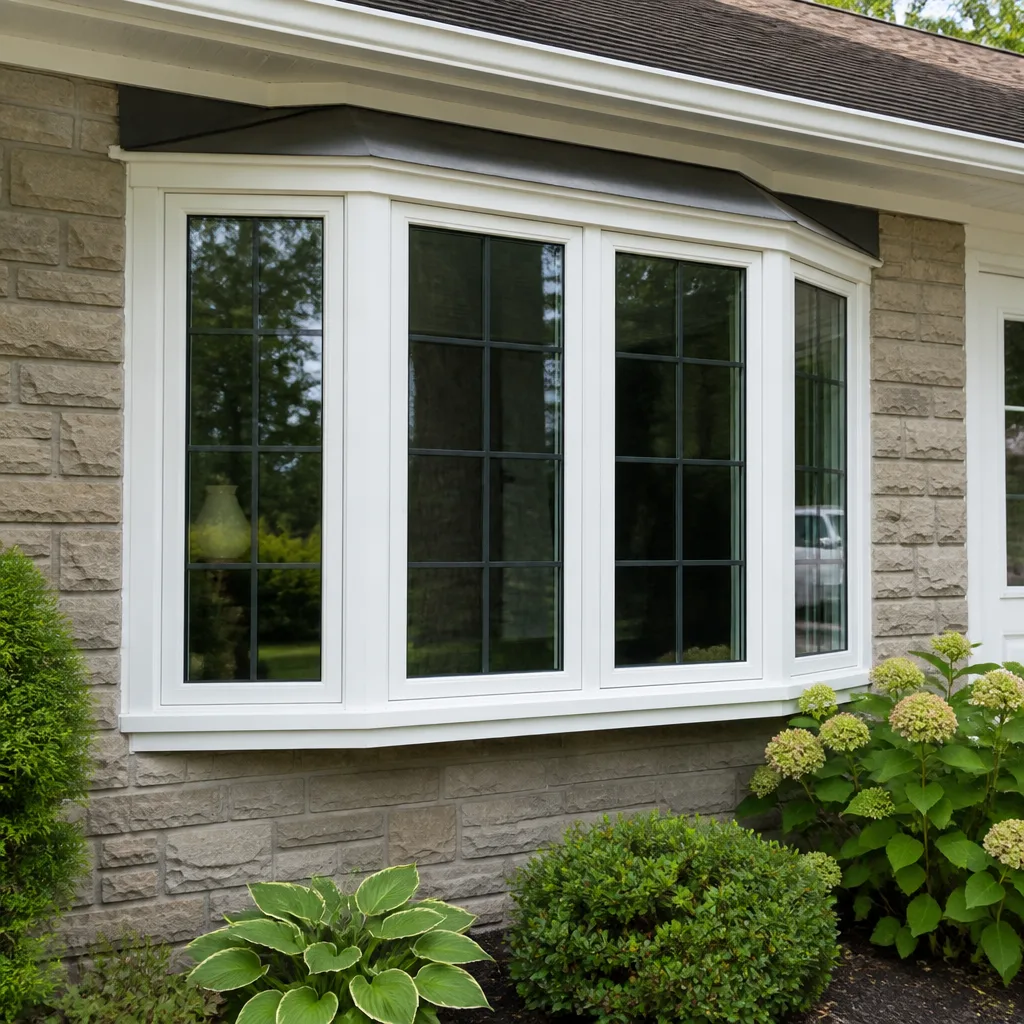
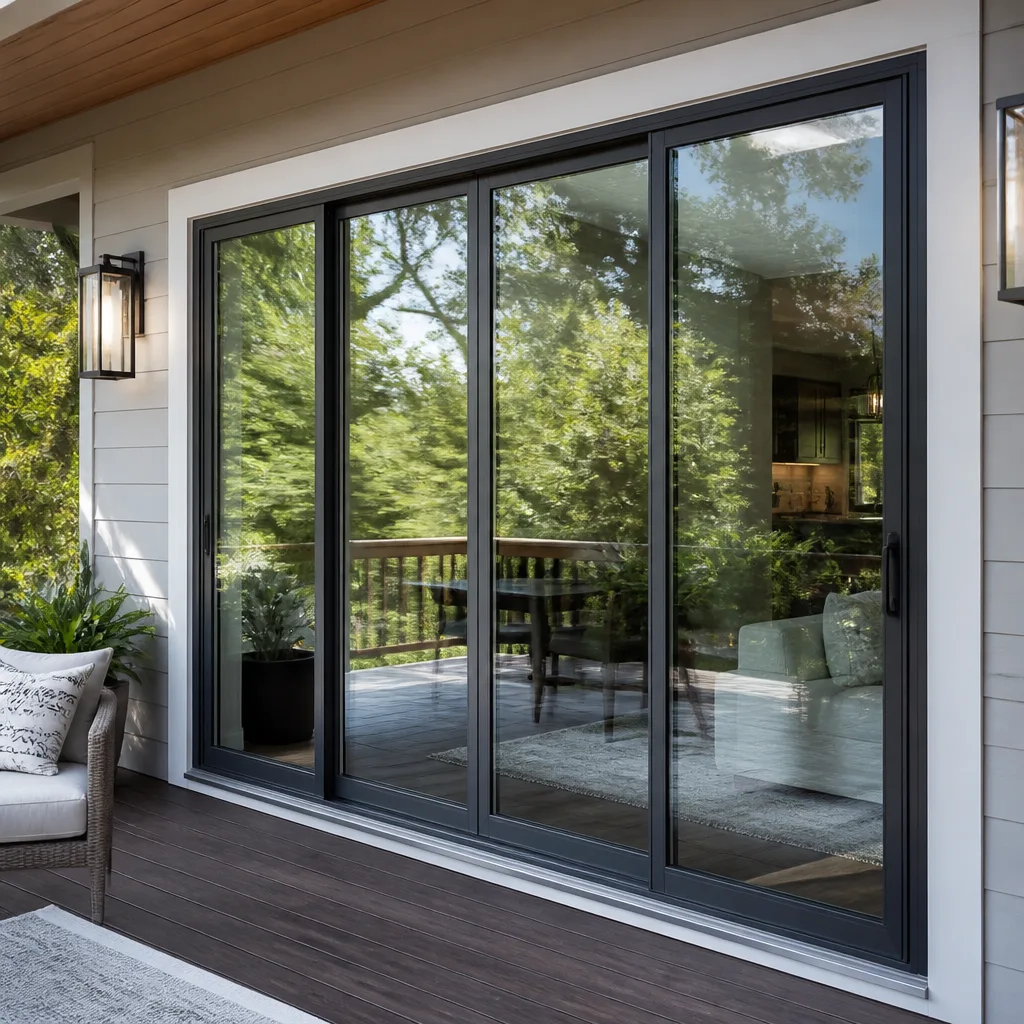
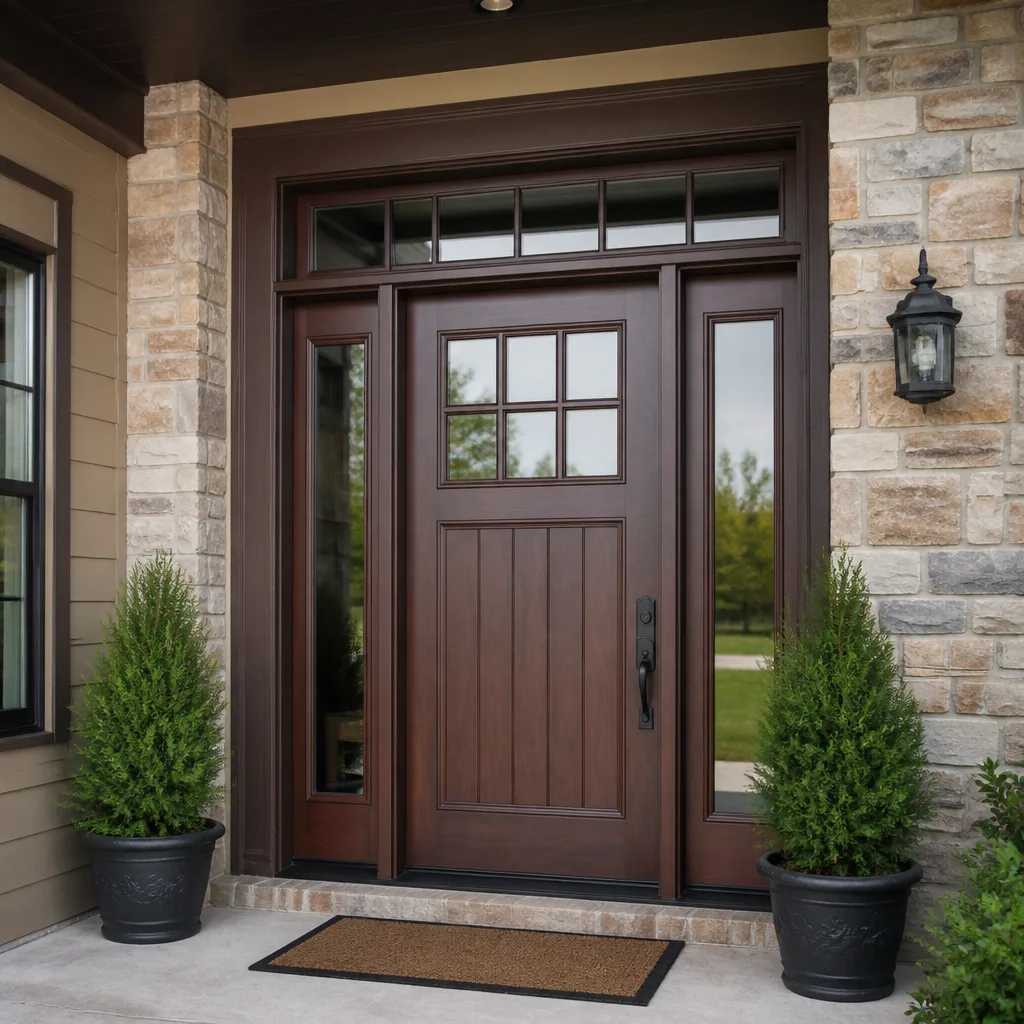
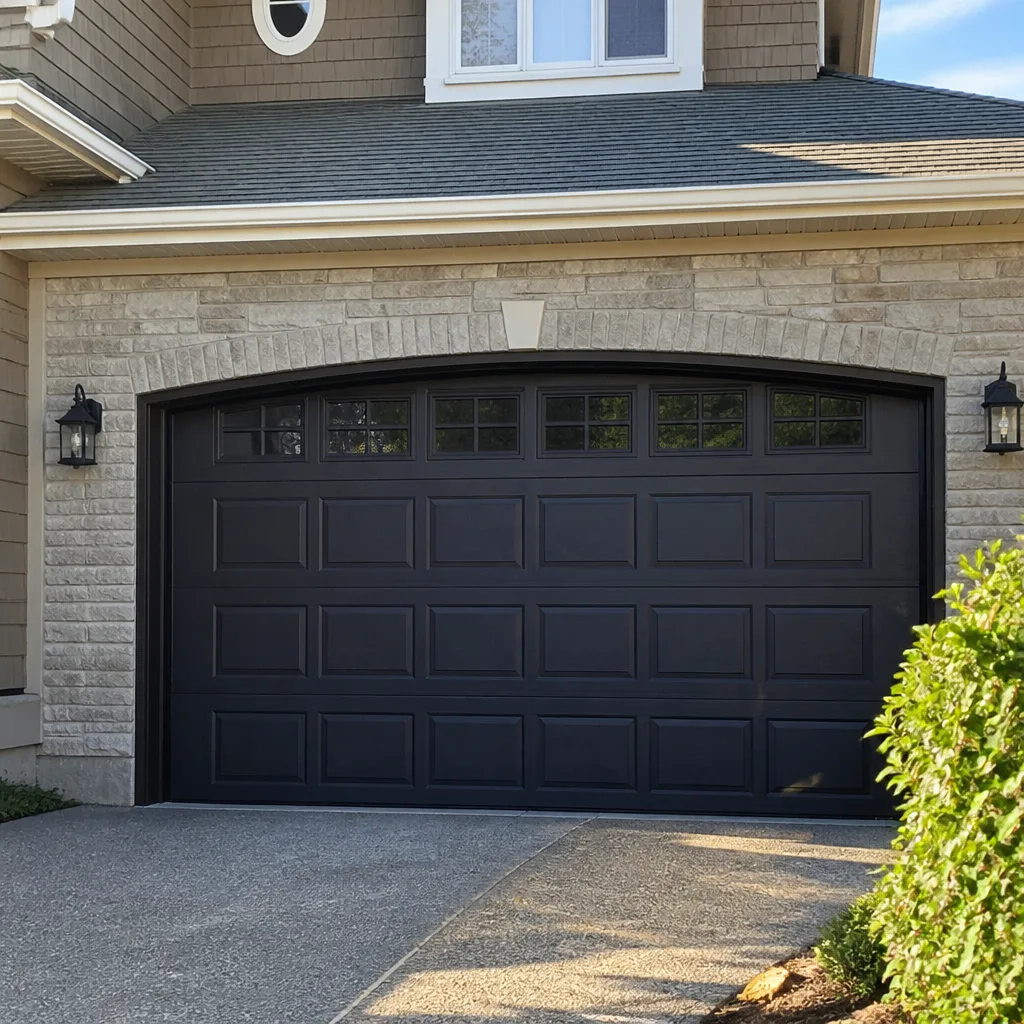
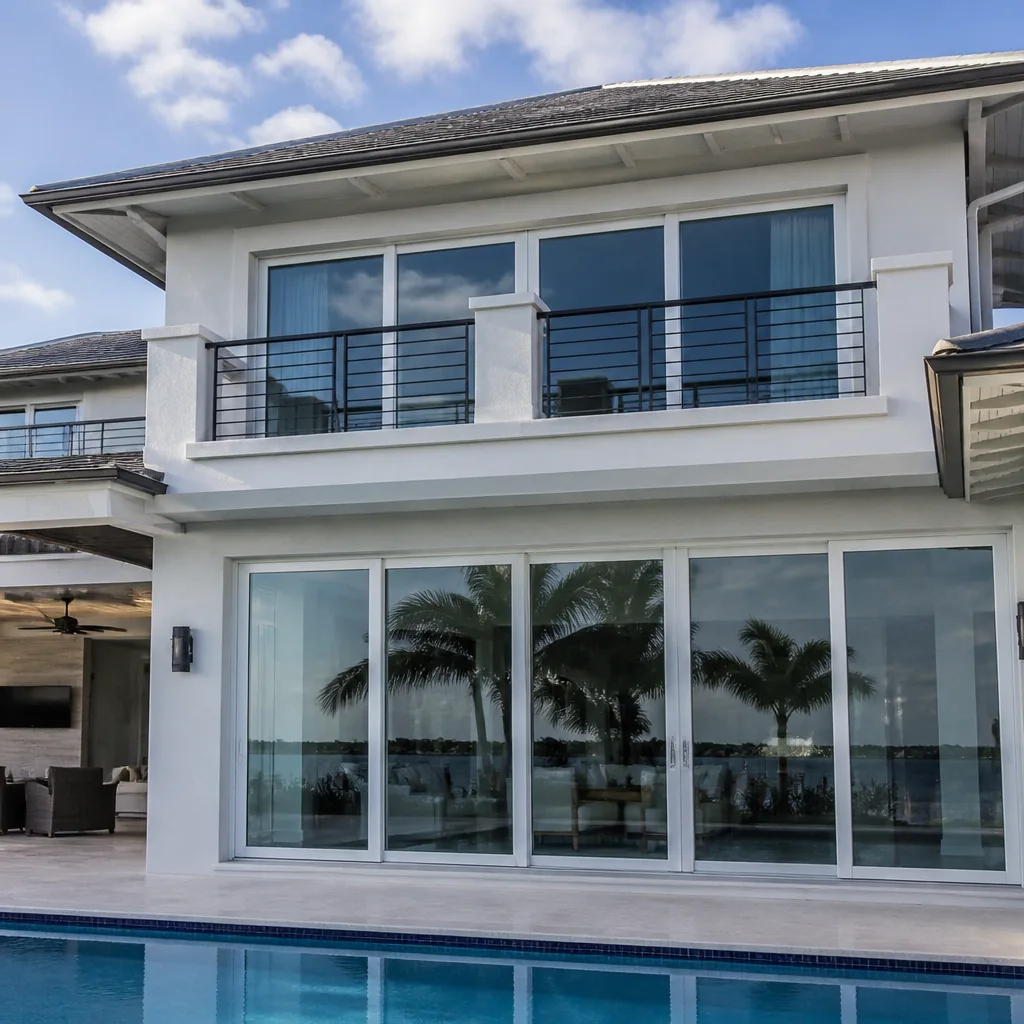
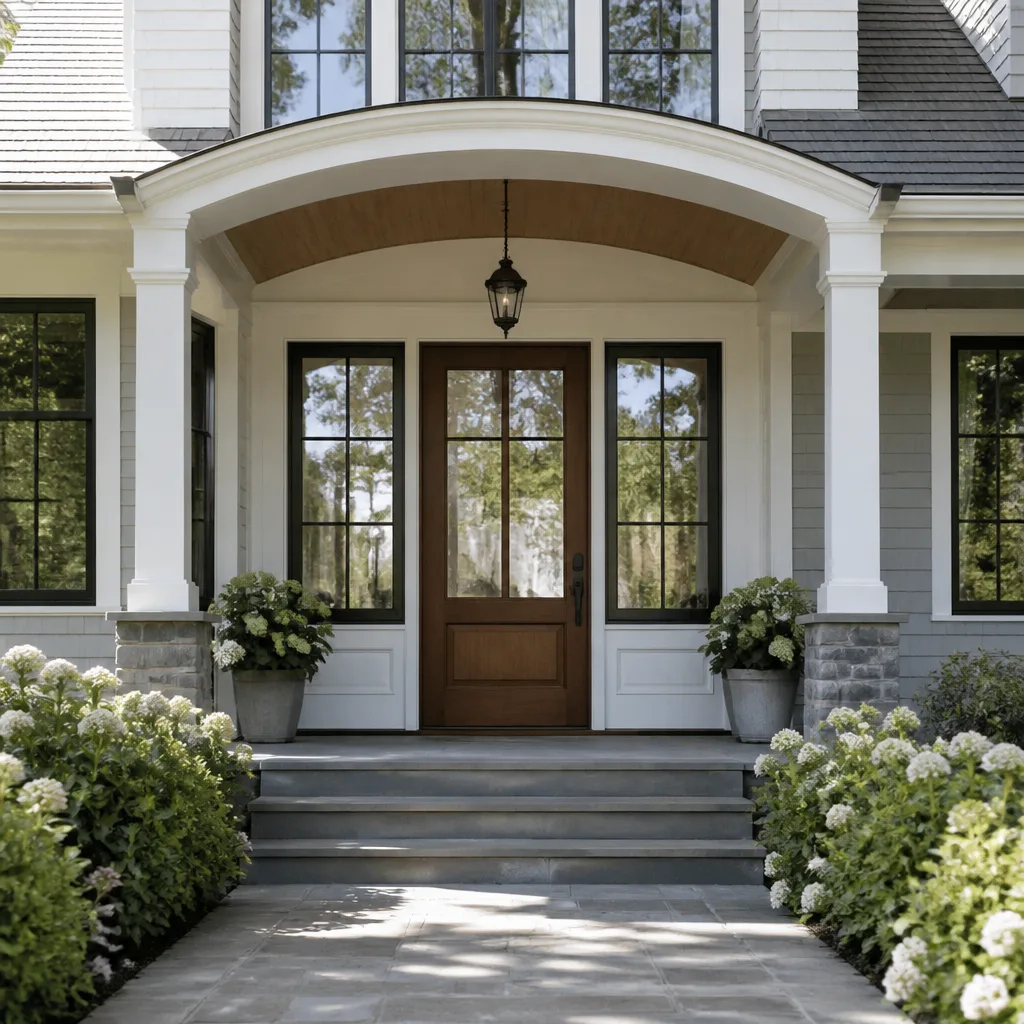
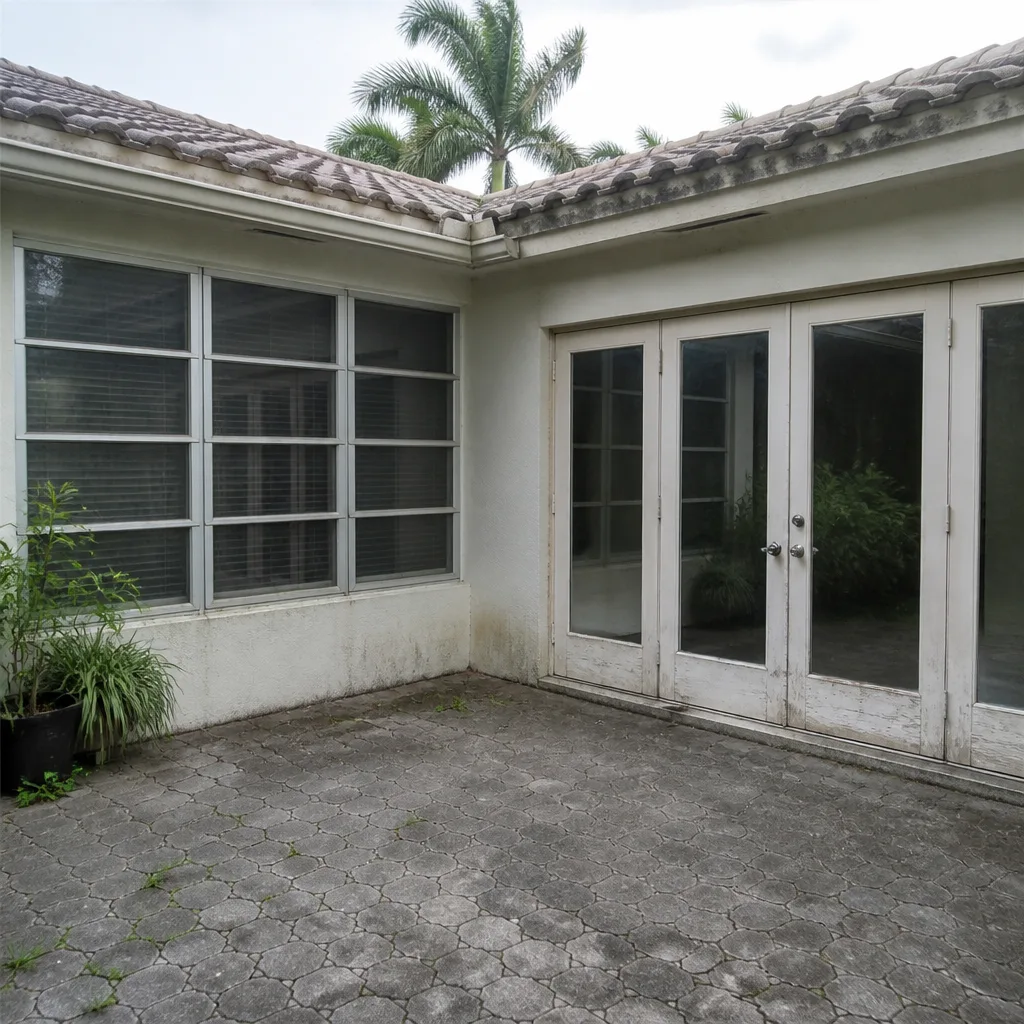 Before
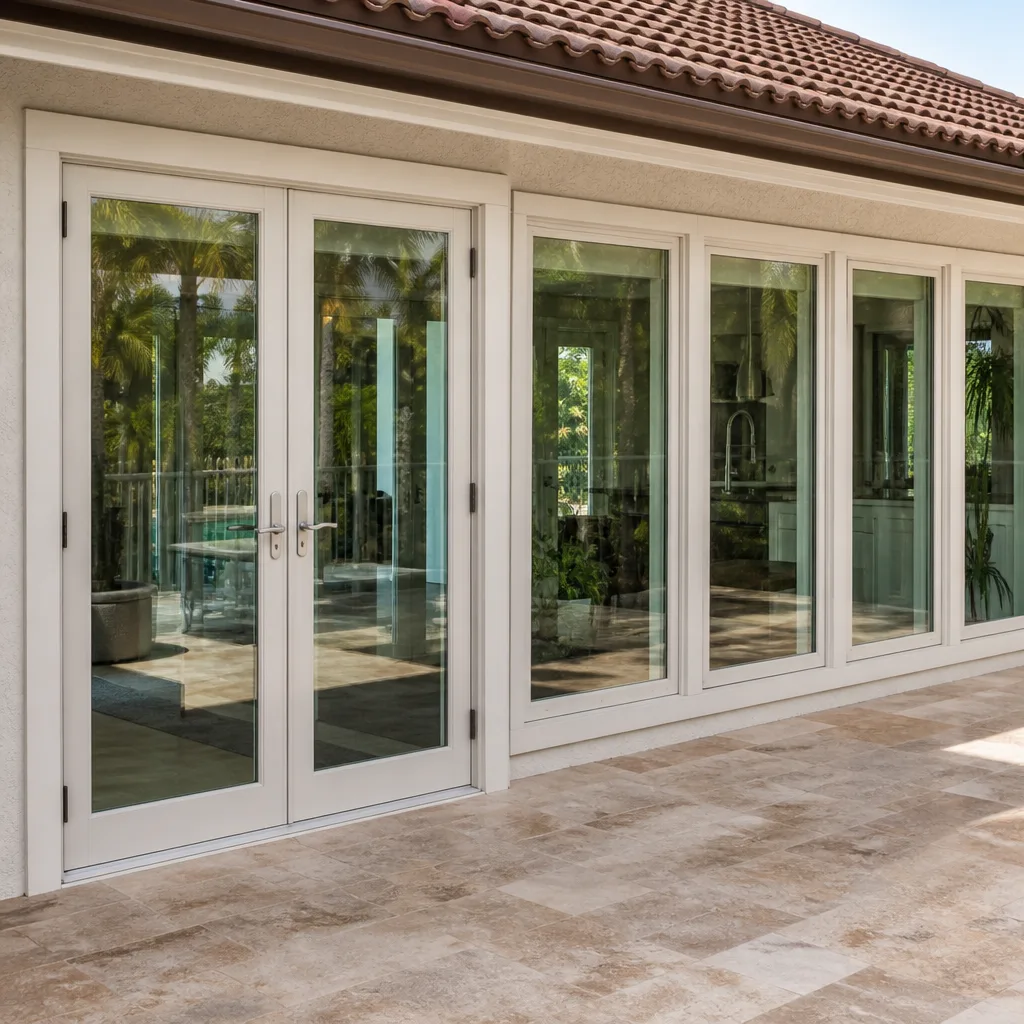 After
After Before
 After
After Before
 After
AfterWindows & Doors Permits, Codes & Inspections in FL: What You Need to Know
An unpermitted window in Jupiter isn’t just a code violation - it’s grounds for a homeowner’s insurance carrier to deny a hurricane claim for that opening, because the product’s impact certification cannot be confirmed without an inspection record. We’ve seen this surface at closing tables in Abacoa and during post-Irma claim reviews in Jupiter Inlet Colony, where a missing Certificate of Completion delayed sales by weeks and left policyholders arguing with adjusters over whether their installed products were ever code-compliant. This guide - and our Complete Guide to Windows & Doors in Jupiter - walks through Florida’s three-layer approval system - state product approval, local building permit, and inspection sign-off - with the actual form numbers, fee ranges, and inspection sequences Palm Beach County uses, so Jupiter homeowners know what to verify before any material is ordered.
Quick Answer
Florida requires three separate approvals for most window and door installations: a Florida Product Approval (FPA) or Miami-Dade NOA for the specific product, a local building permit from Palm Beach County for the installation, and a passed final inspection that generates a Certificate of Completion. In Jupiter, permit fees for residential window and door work typically run $85-$220 depending on opening count, with plan review taking 10-15 business days through the ePlans portal. Skip any layer and you risk an unpermitted improvement that voids insurance coverage, triggers code enforcement, and surfaces on title searches at resale.
Table of Contents
- Florida Product Approval: The First Layer Most Homeowners Miss
- Palm Beach County Permits: Application, Fees, and Timeline
- The Inspection Sequence: Rough Opening and Final
- Like-for-Like Replacement vs. New Opening Permits
- The Certificate of Completion: What It Is and Why You Need It
- Jupiter-Specific Considerations: Wind Zones and Flood Plains
- Common Mistakes to Avoid
- When to Call a Professional
- Frequently Asked Questions
 Before
 After
AfterFlorida Product Approval: The First Layer Most Homeowners Miss
Before a single window or door reaches a Jupiter job site, the product itself must carry a Florida Product Approval (FPA) or a Miami-Dade Notice of Acceptance (NOA). This is not a recommendation. It is a state-level certification that the product has passed missile-impact testing, cyclic pressure loading, and water infiltration protocols specific to Florida’s wind-borne debris regions. Without it, the product cannot legally be installed in a Florida building, and no local permit will be issued for its installation.
The FPA system is administered by the Florida Department of Business and Professional Regulation (DBPR). Each approved product receives a unique FPA number, formatted as FPA # followed by a seven-digit identifier. Miami-Dade NOAs use a different numbering convention but carry equivalent authority statewide. The critical step most homeowners skip: verifying that the product on their quote matches the approval documentation exactly, including size range, glazing specification, and frame depth. A PGT WinGuard window approved at 36″ x 60″ is not automatically approved at 48″ x 72″ - the FPA lists maximum and minimum dimensions, and exceeding them voids the certification for that opening.
To verify a product yourself:
- Request the FPA or NOA number from your contractor before signing. Reputable installers keep these on file; at Sightline Windows & Doors Jupiter, we include the FPA number on every line item of our written quote - Haven Clause 1 means the specification and the price travel together.
- Cross-reference the number on the Florida Product Approval System database. Confirm the product description, manufacturer, and approved dimension range match your proposed installation.
- Check Palm Beach County’s approved products list, which narrows state approvals to products the county has explicitly accepted for use within its jurisdiction. Some FPAs carry statewide validity; others require county-level verification. The county maintains this as a searchable PDF updated quarterly.
- Verify the product’s wind speed rating meets or exceeds Jupiter’s requirement. Jupiter sits in a 170 mph wind speed zone under the Florida Building Code (7th Edition, 2020). Any product rated below this threshold is non-compliant, regardless of its FPA status for lower wind zones elsewhere in the state.
We’ve reviewed competitor quotes where the specified product carried a valid FPA - but for a 140 mph zone in the Florida Panhandle, not for Palm Beach County. The homeowner would have paid for impact-rated windows that could not pass Jupiter inspection. This is why Haven Clause 5 (No Surprises) requires us to document the wind zone rating on every specification.
Products from our verified lines - PGT, CGI, CWS, ES Windows, ECO Window Systems, Mr-Glass, Therma-Tru, and ViewLux - each carry current FPAs or NOAs with Palm Beach County acceptance. We specify by what the opening requires, not by what is in stock, and the FPA number appears on the written quote before any work starts.
Palm Beach County Permits: Application, Fees, and Timeline
The second approval layer is the local building permit, issued by Palm Beach County’s Department of Planning, Zoning and Building for all Jupiter properties. Unincorporated Jupiter and the village of Jupiter Inlet Colony fall under county jurisdiction; properties within Jupiter’s municipal boundaries may require a Jupiter city permit for certain work, though window and door replacements typically route through the county system. Your contractor should confirm which authority has jurisdiction before application.
Palm Beach County uses the ePlans online portal for residential permit submission. The process follows this sequence:
- Account creation and project registration: The contractor or homeowner creates an ePlans account, registers the property by address and parcel ID, and selects the permit type. For window and door work, this is typically “Residential Alteration/Repair” with a subcategory for fenestration.
- Document upload: Required documents include a site plan showing all openings, window and door schedules with manufacturer, model, size, and FPA/NOA number for each unit, energy compliance documentation (prescriptive method or REScheck), and a contractor’s affidavit if using a licensed installer. For impact-rated products, the missile level (Large Missile D or Small Missile) must be specified per opening location.
- Plan review fee payment: Fees are calculated by opening count and project valuation. As of 2024, residential window and door permits carry a base fee of $85 for the first opening, plus $15-$25 for each additional opening depending on whether the product is impact-rated (higher fee due to additional structural review). A typical Jupiter home replacing 12 openings pays $245-$385 in permit fees. New openings requiring structural header review add $75-$150 per opening for engineering evaluation.
- Plan review: County staff review for code compliance, energy calculations, and product approval validity. Current timeline is 10-15 business days for straightforward residential replacements. Complex projects, new openings, or properties in flood zones (common in Jupiter’s waterfront neighborhoods along the Loxahatchee River and Intracoastal) may extend to 20-25 business days.
- Permit issuance: Once approved, the permit is issued electronically and must be posted on site before work begins. Inspections are scheduled through the same ePlans system.
Key form numbers to know: the permit application itself is Form PZB-100, the contractor affidavit is Form PZB-105, and the Notice of Commencement (required for jobs over $5,000) is Form PZB-201. These are available through the county’s contractor resources portal.
Jupiter’s market has a specific quirk: many homes built between 2004 and 2010 carry original windows that were installed under the 2004 Florida Building Code, which had less stringent energy compliance requirements than the 2020 edition. Replacement triggers current code compliance, meaning a simple like-for-like swap may require upgraded U-factor and SHGC performance that the original products did not meet. We calculate this during our measured survey and note it on the written quote - no homeowner should discover this at permit review.
The Inspection Sequence: Rough Opening and Final
Palm Beach County requires two inspections for most window and door installations: the rough opening inspection and the final inspection. Each has a specific scope, and failing either stops the project until corrections are made and a re-inspection fee is paid ($65-$95 per re-inspection as of 2024).
Rough Opening Inspection
This occurs after old units are removed and new openings are prepared, but before new windows or doors are installed. The inspector verifies:
- Structural integrity of the opening - no compromised studs, headers, or sill plates
- Proper header sizing for new or enlarged openings, with engineering stamp if required
- Sill pan flashing installation, sloped to exterior, with end dams
- Water-resistive barrier continuity around the opening, with proper integration at sill pan edges
- Anchor spacing and embedment depth per manufacturer’s installation instructions and FPA/NOA
- Shim placement and fastening schedule
The most common failure we see at this stage: missing or improperly integrated sill pan flashing. Jupiter’s rainfall pattern - 62 inches annually, concentrated in summer thunderstorms - makes this critical. Water that bypasses the sill pan rots framing from the inside, often undetected for years. We’ve opened walls in Jupiter’s Shores and Pennock Point neighborhoods where the window appeared fine from the interior but the sill plate behind it had turned to pulp. The rough opening inspection is designed to catch this before the finish trim goes on.
Another frequent failure: anchor spacing that doesn’t match the NOA. Impact-rated products have specific fastening patterns - typically every 12 inches on the jambs, with additional anchors at the corners and sill. Generic anchor placement, or using the wrong fastener type (wood screws where structural anchors are specified), fails inspection and voids the product’s impact certification.
Final Inspection
This occurs after installation is complete, with all trim, hardware, and sealants in place. The inspector verifies:
- Product matches permit schedule - manufacturer, model, size, and FPA/NOA number
- Installation matches manufacturer’s instructions and NOA details
- Operable units open, close, and lock properly
- Weatherstripping and seals are intact
- Interior and exterior sealant application is continuous and properly tooled
- NOA documentation is on site and matches installed products
The final inspection generates the Certificate of Completion if passed. We leave a documented photo record of every installation - Haven Clause 4 (Evidence on Every Job) - and we keep copies of all inspection reports with the project file. Homeowners receive their Certificate of Completion within 5-7 business days of final inspection passage, delivered by email and mail.
Like-for-Like Replacement vs. New Opening Permits
Palm Beach County distinguishes between two permit pathways, and the difference affects cost, timeline, and documentation requirements significantly.
Like-for-Like Replacement
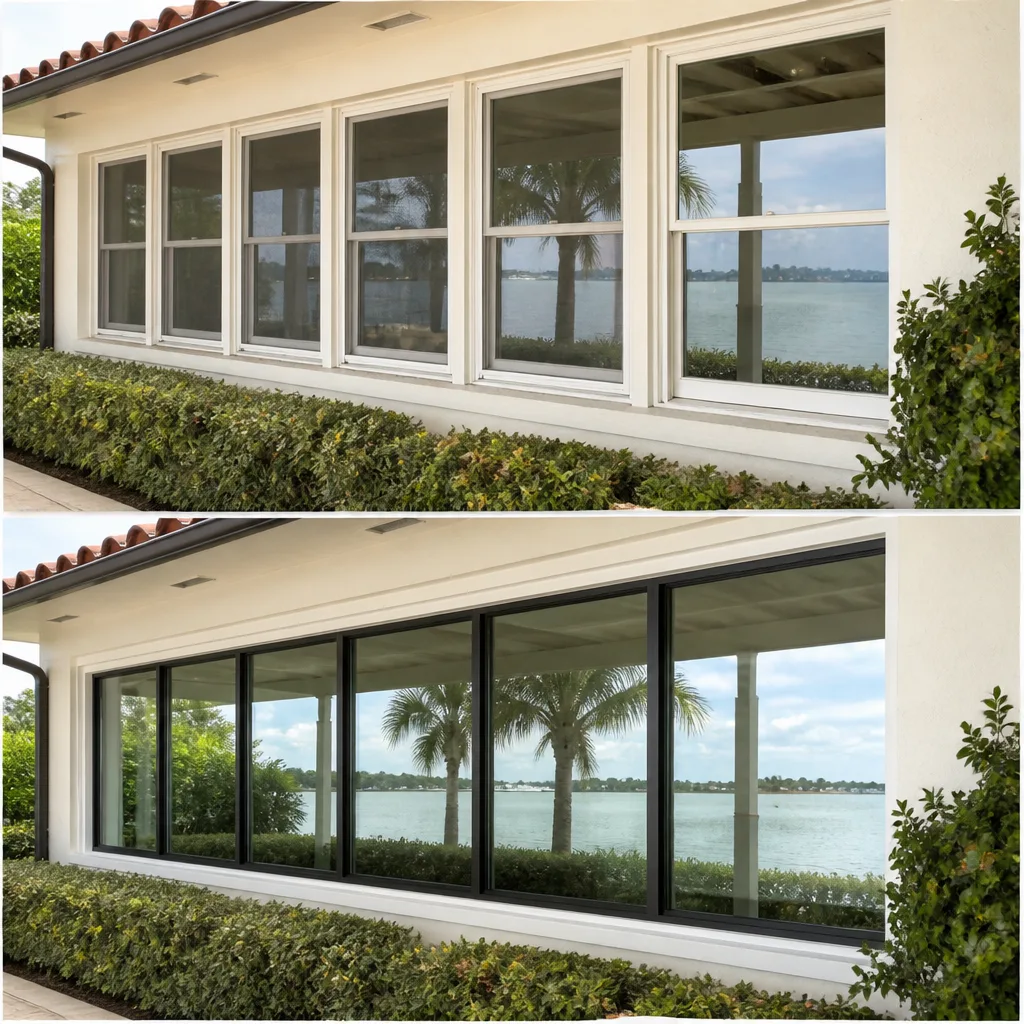
This applies when an existing window or door is replaced with a new unit of the same size, in the same wall location, without structural modification. The permit application is streamlined: no structural engineering review, no energy compliance documentation beyond product specifications, and typically faster plan review (7-10 business days versus 10-15).
However, “like-for-like” has a specific definition that trips up many homeowners. It does not mean “looks similar.” It means identical rough opening dimensions, identical structural loading path, and identical or improved energy performance. Changing a single-hung window to a casement at the same size is not like-for-like - the operating hardware, structural anchors, and egress requirements differ. Changing a non-impact window to an impact-rated window at the same size is like-for-like for structural purposes (the opening doesn’t change), but the product approval documentation must still verify the impact rating for the wind zone; see our Windows & Doors Warning Signs: A Jupiter Homeowner’s Reference Guide for red flags that signal non-compliant quotes.
In Jupiter’s older neighborhoods - Tequesta Country Club area homes from the 1970s, for example - original windows often fall below current energy code minimums. A like-for-like replacement still triggers current U-factor and SHGC requirements. The product must meet 2020 Florida Building Code energy standards regardless of what it replaces. We verify this during our measured survey and note compliance on the written quote.
New Opening Permits
This pathway applies when:
- An opening is enlarged or reduced in any dimension
- A new opening is cut in an existing wall
- A window is converted to a door or vice versa
- The structural header is modified, removed, or replaced
- A load-bearing wall is penetrated where it wasn’t before
New opening permits require structural engineering calculations signed by a Florida-licensed engineer. The engineer must verify header sizing, stud redistribution, and lateral load path continuity. Engineering fees in the Jupiter market typically run $400-$800 for simple residential openings, $1,200-$2,500 for complex or multiple-opening projects. Plan review extends to 15-25 business days due to the additional engineering review queue.
Energy compliance documentation is also more stringent. New openings require either REScheck software output showing whole-building compliance, or prescriptive method documentation with U-factor and SHGC calculations for the affected wall assembly. In practice, most Jupiter projects use REScheck because the prescriptive method rarely passes with the mixed product lines typical of replacement projects.
We’ve handled new opening projects in Jupiter’s Abacoa development, where homeowners converting garage spaces to living areas needed new windows that matched the community’s architectural standards while meeting current code. The engineering and permit process added 3-4 weeks to the timeline, which we build into our written scope - Haven Clause 2 (Arrive on Schedule) means we don’t promise dates we can’t meet.
The Certificate of Completion: What It Is and Why You Need It
The Certificate of Completion is the document that proves your installation passed all required inspections and is legally permitted. In Palm Beach County, it is issued electronically through the ePlans system after final inspection passage, with a physical copy mailed to the property owner of record. It is not the same as the inspection report, the permit card, or the contractor’s invoice. It is the only document that closes the permit officially and removes the project from open status.
Why this matters for Jupiter homeowners:
- Insurance claims: After Hurricane Irma in 2017, several Jupiter homeowners discovered their impact window claims were denied because their installations lacked Certificates of Completion. The carrier argued that without documented inspection passage, the impact rating could not be verified. The Certificate is the insurer’s proof that the product was installed to its certified standard.
- Property sale: Title searches and buyer inspections increasingly flag open or unpermitted improvements. An open permit - even one where work is complete - can delay closing until it is closed with a Certificate of Completion. We’ve been called to Jupiter closings where the seller’s contractor from three years prior never pulled the final inspection, and the permit remains open.
- Code enforcement: Unpermitted work discovered through complaint or aerial inspection (increasingly common in Palm Beach County) triggers code enforcement action. The homeowner - not the contractor, if they’ve disappeared - is responsible for bringing the work into compliance, which may require removing finish materials to expose framing for inspection.
- Warranty and product support: Manufacturers including PGT and CGI reserve the right to void product warranties for improperly permitted installations. The FPA/NOA is conditional on installation per the approved method; without inspection verification, that condition is unproven.
Store your Certificate of Completion with your property deed or in your permanent home file. Do not rely on your contractor to retain it. At Sightline Windows & Doors Jupiter, we deliver the Certificate to every homeowner with a cover letter explaining its purpose, and we maintain a backup in our project files - Haven Clause 4 means the evidence travels with the job.
Jupiter-Specific Considerations: Wind Zones and Flood Plains

Jupiter occupies a unique position in Florida’s building code geography. The town sits at the northern edge of the High-Velocity Hurricane Zone (HVHZ) influence, with wind speed requirements of 170 mph for residential construction - among the highest in the continental United States. But Jupiter is not formally within the Miami-Dade/Broward HVHZ, which means Miami-Dade NOAs are accepted but not strictly required; FPAs carry equal weight. This distinction matters for product selection and pricing, as HVHZ-tested products often carry premium pricing that Jupiter installations don’t strictly need.
Flood zone designation affects permit requirements significantly. Much of Jupiter east of U.S. 1 lies in AE flood zones, where the base flood elevation determines minimum finished floor heights. Window and door installations in these zones must account for:
- Flood opening requirements for enclosed areas below base flood elevation - specific venting or breakaway wall provisions that affect garage door and ground-floor window selection
- Breakaway wall hardware for louvered or jalousie windows in below-elevation spaces
- Elevation certificate updates if the installation changes the building’s flood resistance
We’ve worked on Jupiter Inlet Colony properties where the flood zone designation changed between the 2007 and 2021 FEMA map revisions, triggering different requirements for the same replacement project depending on when the permit was applied for. The measured survey we provide includes flood zone verification from current FEMA maps - another reason the specification and the quote are the same document.
Jupiter’s coastal exposure also means salt-air corrosion affects hardware and frame longevity. Products specified for inland Florida markets may carry valid FPAs but use hardware grades insufficient for Jupiter’s salt-laden air. We specify 316 stainless steel or equivalent coastal-grade hardware from our manufacturer lines when the opening faces the ocean or Intracoastal - not because it’s required by code, but because it’s what the location requires. The FPA doesn’t cover this; trade knowledge does.
Neighborhood-specific considerations: Abacoa’s architectural review board requires style consistency that may limit product lines; Jupiter Country Club has golf-ball impact provisions for certain exposures; the Shores and Pennock Point have HOA documentation requirements that run parallel to county permitting. We navigate these during our survey and note them on the written scope - no homeowner should discover an HOA rejection after the permit is already in review.
Common Mistakes to Avoid
- Assuming the contractor pulled the permit. In Florida, the property owner is ultimately responsible for permit compliance. Verify the permit is issued in your name or with your property address before work begins. Request the permit number and confirm it on the ePlans portal.
- Accepting “permit not required” for like-for-like replacement. Palm Beach County requires permits for all window and door replacements except direct glass-only repairs in existing frames. Any full-unit replacement triggers permitting. A contractor who says otherwise is either misinformed or avoiding accountability.
- Ordering products before permit approval. Plan review may reject products for energy compliance, wind zone rating, or county acceptance issues. We’ve seen homeowners in Jupiter’s Ranch Colony stuck with custom-ordered windows that couldn’t be permitted. Haven Clause 1 means we don’t order until the specification is written and the permit path is clear.
- Skipping the rough opening inspection. Some contractors encourage homeowners to “just cover it up” and call for final only. This hides installation defects that will cause water intrusion, and it voids the inspection sequence. Both inspections are mandatory; neither is optional.
- Losing the Certificate of Completion. Store it with your deed. If you can’t produce it at sale or claim time, you may need to pay for re-inspection or engineering verification - costs that run $500-$2,000 in the Jupiter market.
- Matching FPA numbers to wrong product variations. The FPA covers specific frame depths, glazing packages, and size ranges. A PGT WinGuard 5500 series FPA does not cover a 5500 series with different laminate thickness or impact cap. Verify the exact product configuration on your quote matches the FPA exactly.
- Ignoring flood zone requirements for ground-floor installations. AE zone properties in Jupiter need flood-compliant hardware and breakaway provisions that standard impact products don’t include. The permit reviewer will catch this; better to specify correctly from the start.
When to Call a Professional
Call a licensed, insured contractor when your project involves impact-rated products, new openings, structural modifications, or any installation in a flood zone - which covers most Jupiter properties. The three-layer approval system is navigable for simple like-for-like replacements by experienced homeowners, but the documentation requirements, inspection sequencing, and product verification steps create failure points that delay projects and risk compliance; our DIY vs Professional Windows & Doors: The Jupiter Homeowner’s Decision Guide breaks down when to hire out.
Specific scenarios where professional installation is strongly advised: enlarging any opening (requires engineering); converting windows to doors or vice versa; installing products in below-base-flood-elevation spaces; matching HOA architectural requirements in gated Jupiter communities; and any project where insurance claim documentation may be needed.
Sightline Windows & Doors Jupiter offers free estimates in Jupiter - call (772) 362-5402. Every estimate includes a measured survey you keep, written pricing that matches that survey, and FPA verification for every product specified. Our technicians are background-checked, uniformed, and identified by license number before arrival - Haven Clause 3 (Verified Crews). We pull permits, schedule inspections, and deliver your Certificate of Completion as standard practice, not as an add-on.
Frequently Asked Questions
Residential window and door permits in Jupiter through Palm Beach County cost $85 for the first opening plus $15-$25 for each additional opening, with impact-rated products at the higher end. A typical 12-opening replacement runs $245-$385. New openings requiring structural engineering review add $75-$150 per opening. Call (772) 362-5402 for an exact quote on your specific project - estimates are free.
Plan review for straightforward residential window and door replacements currently takes 10-15 business days through the ePlans portal. Complex projects, new openings, or properties in flood zones may extend to 20-25 business days. Like-for-like replacements typically process faster, in 7-10 business days. These timelines are from complete application submission, not from initial contact.
No - not with Sightline Windows & Doors Jupiter. Haven Clause 1 requires that the measured survey and the written quote are the same document. If we encounter concealed damage during installation, we document it, explain the scope change, and provide a written amendment before proceeding. No work proceeds at a different price without your written approval.
We pull permits as standard practice on every job. The permit is issued in the property owner’s name - you are the permit holder - but we handle application submission, plan review response, fee payment, inspection scheduling, and Certificate of Completion delivery. You receive copies of all documents at each stage. This is included in our scope, not billed separately.
The inspector issues a correction notice with specific deficiencies. We correct the item - typically within 48 hours - and schedule re-inspection. Re-inspection fees are $65-$95 and are our responsibility if the failure resulted from our installation. We’ve maintained a first-time pass rate above 98% across 18,000+ installations by following manufacturer instructions exactly and documenting our work with photos at each stage.
Jupiter is located in a wind-borne debris region requiring impact-rated products or permanent shutters for all openings. If your home was built after 2002, it likely has impact-rated products or shutter provisions. If built before 2002, original windows are probably non-impact and require replacement or shutter installation for code compliance. We verify this during our measured survey and note the requirement on your written quote. Insurance carriers increasingly require impact certification for windstorm coverage in Palm Beach County.
Homeowners can act as their own contractors in Florida and pull owner-builder permits, but Palm Beach County requires you to perform the work yourself - not hire unlicensed help. Impact-rated installations require product-specific training for proper anchor placement and flashing integration; incorrect installation voids the FPA and insurance coverage. Most Jupiter homeowners find that professional installation, with permit handling included, costs less than the time and risk of navigating the process alone. For more guides & resources on Florida window and door projects, visit our blog. Call (772) 362-5402 for a written quote - our price includes permits, inspections, and documentation.
The Bottom Line
Florida’s window and door permitting system has three layers - state product approval, local building permit, and inspection sign-off - and each layer has specific documentation, fee, and verification requirements that Jupiter homeowners need to understand before work begins. Skip any layer and you risk insurance claim denial, code enforcement action, and title problems at resale. The key documents to verify and retain: the FPA or NOA number for every product, the issued permit card, and the Certificate of Completion after final inspection. Store the Certificate with your deed. At window installation in Jupiter projects and door installation in Jupiter work alike, we handle this documentation as standard practice - measured survey, written price, permit pull, inspection passage, and Certificate delivery - because Haven Clause 1 through 5 leaves nothing to interpretation.
Written by Sonia Raman, Owner at Sightline Windows & Doors Jupiter, serving Jupiter since 2012.