
Last updated September 24, 2026
Free in-home measure and quote - PGT, CGI and CWS impact lines compared on your actual openings, style by style
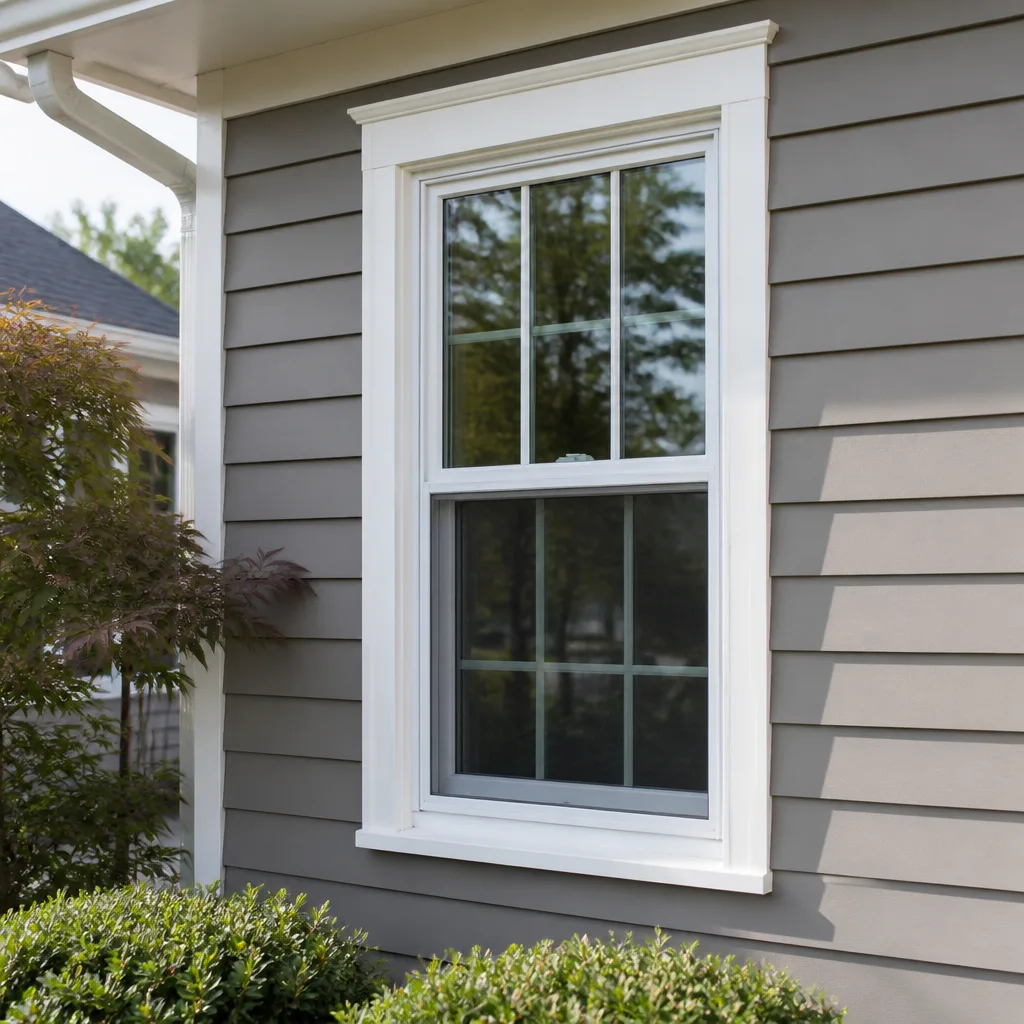
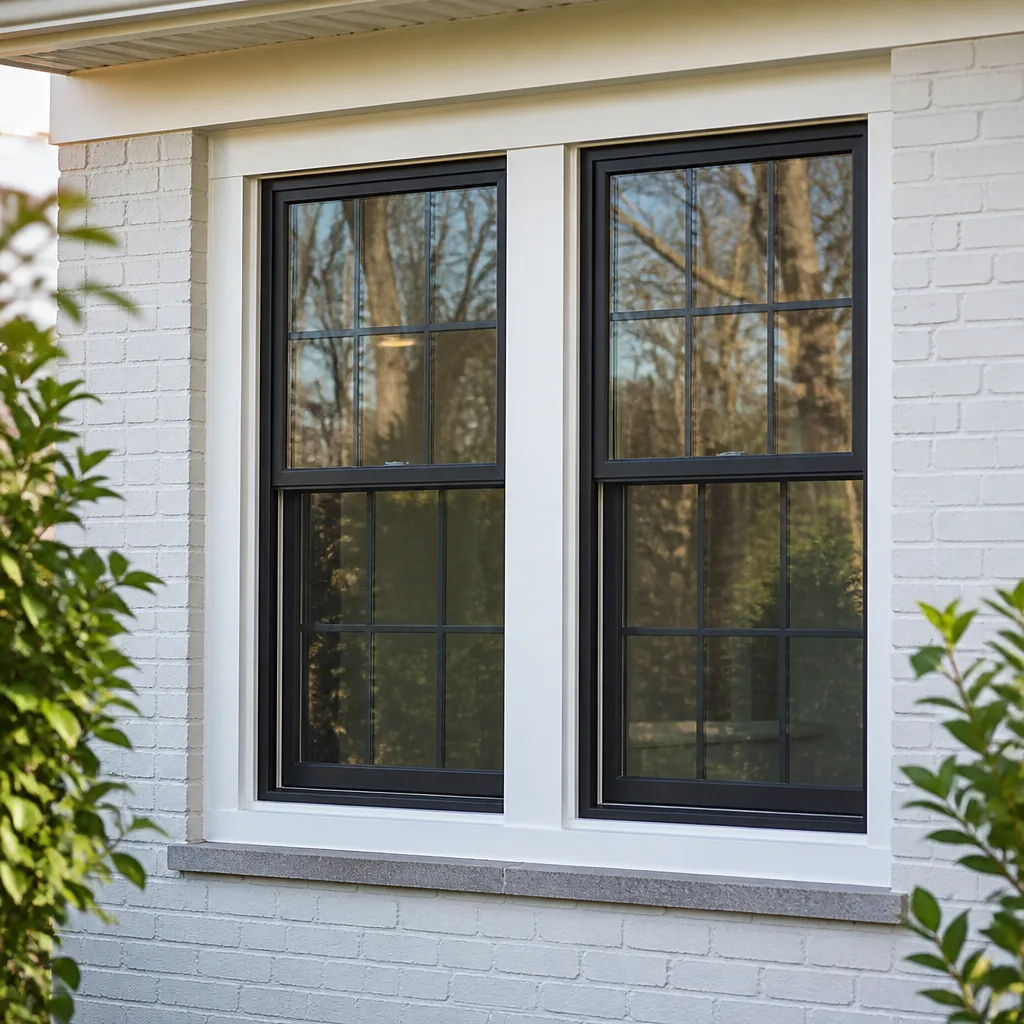
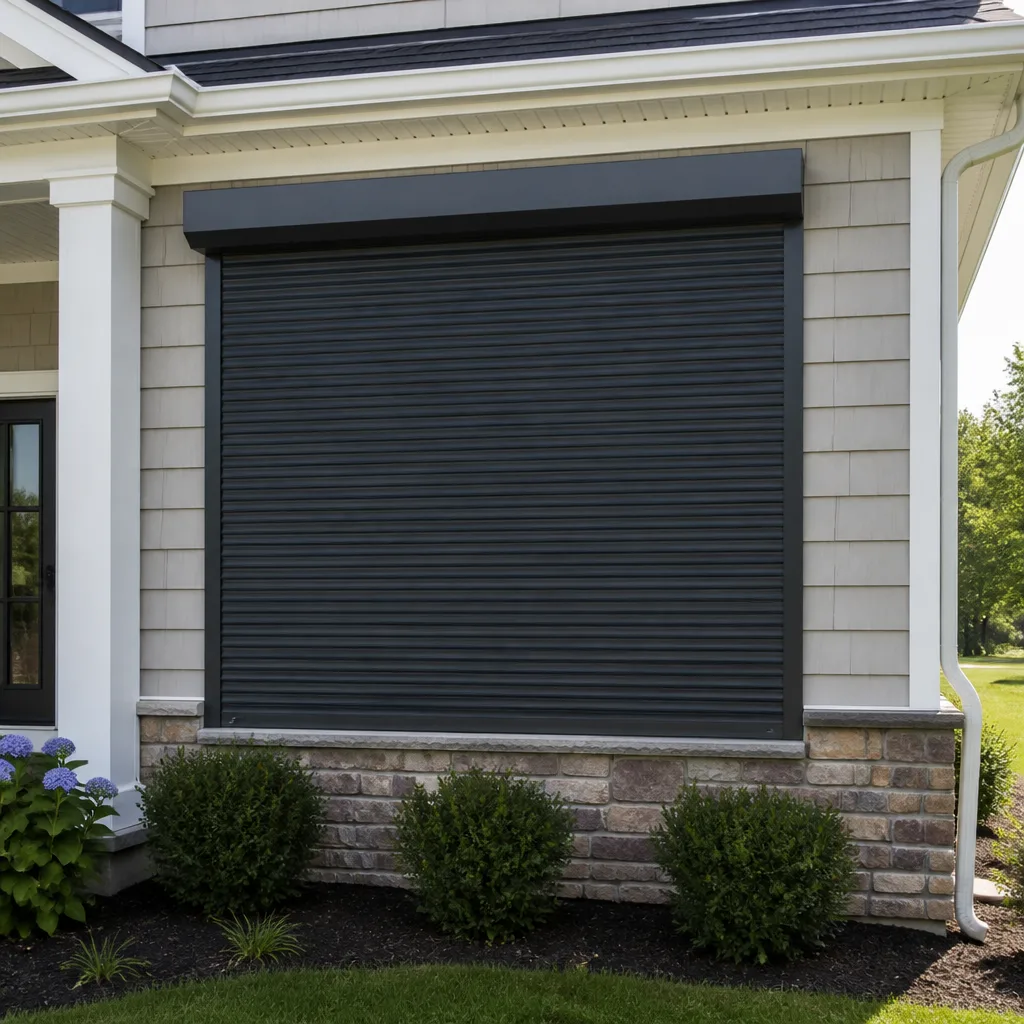
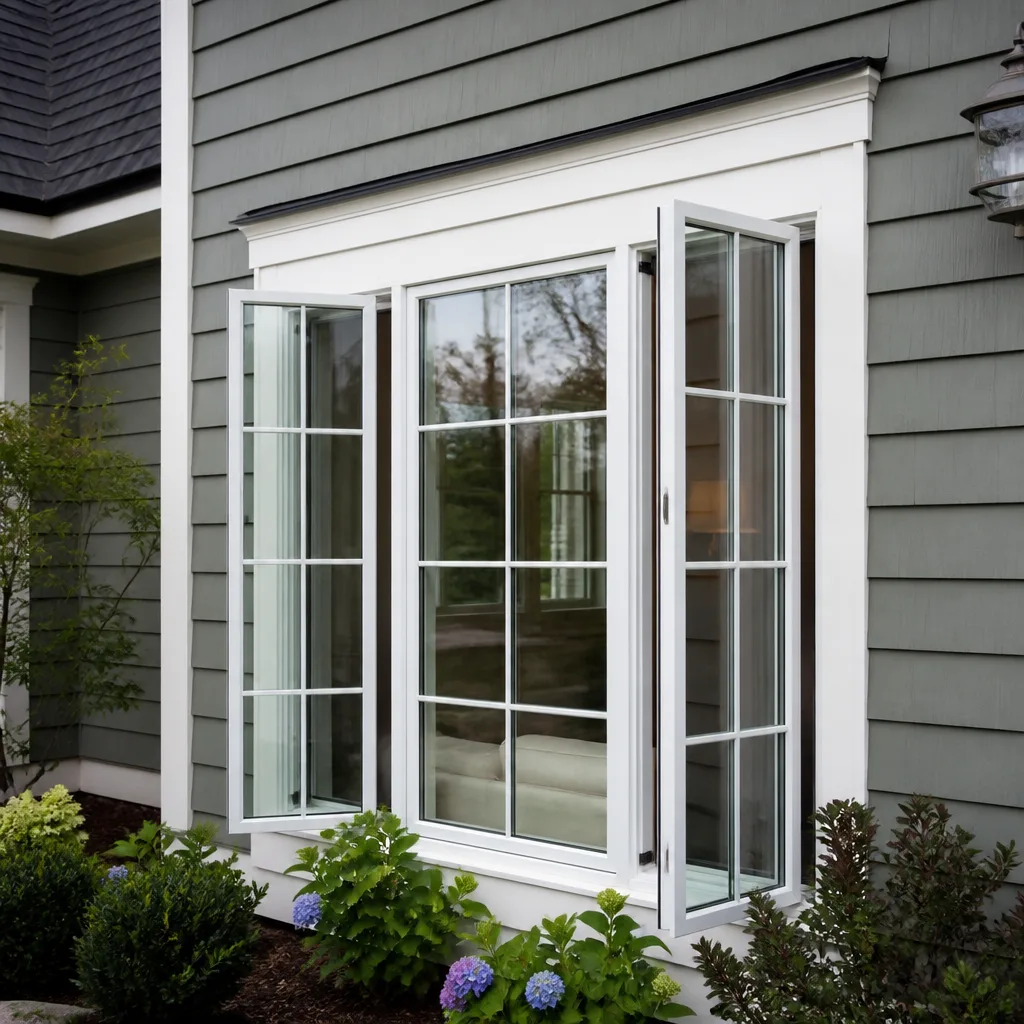
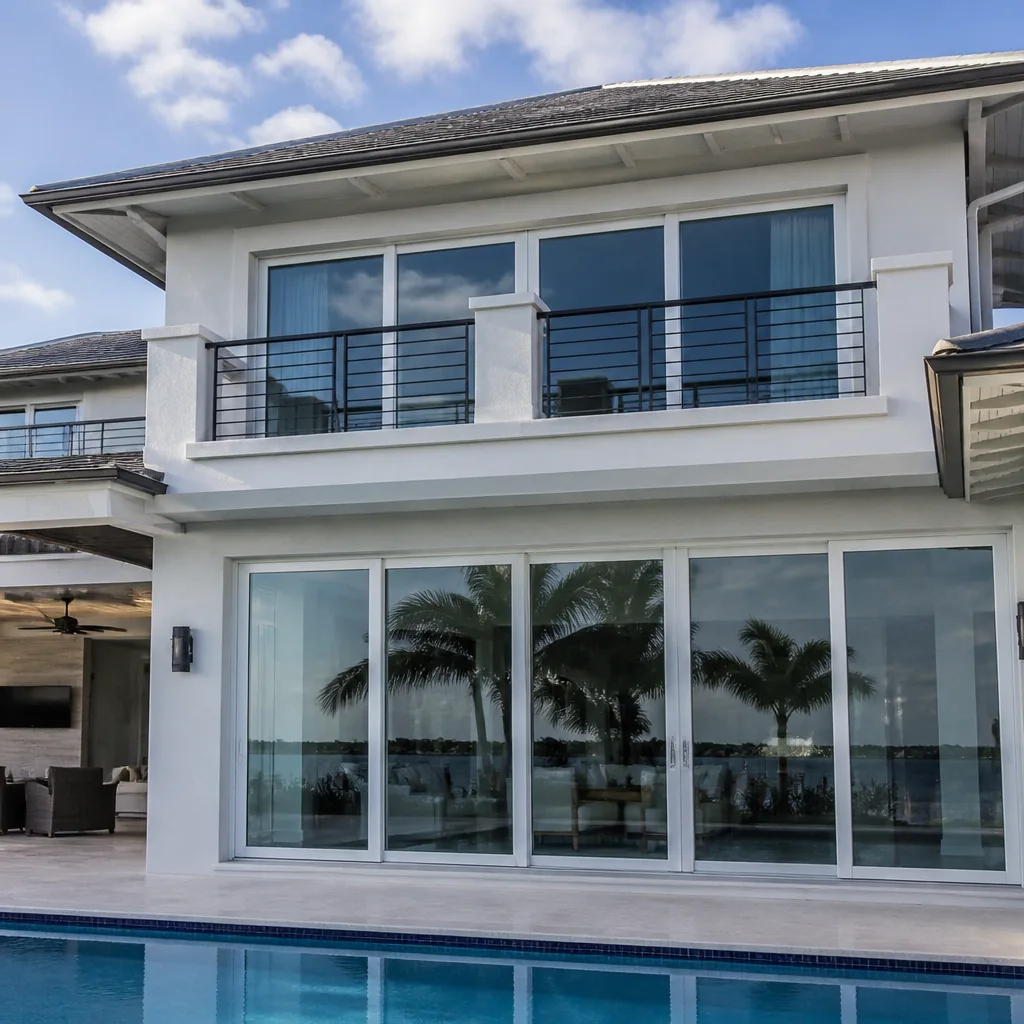
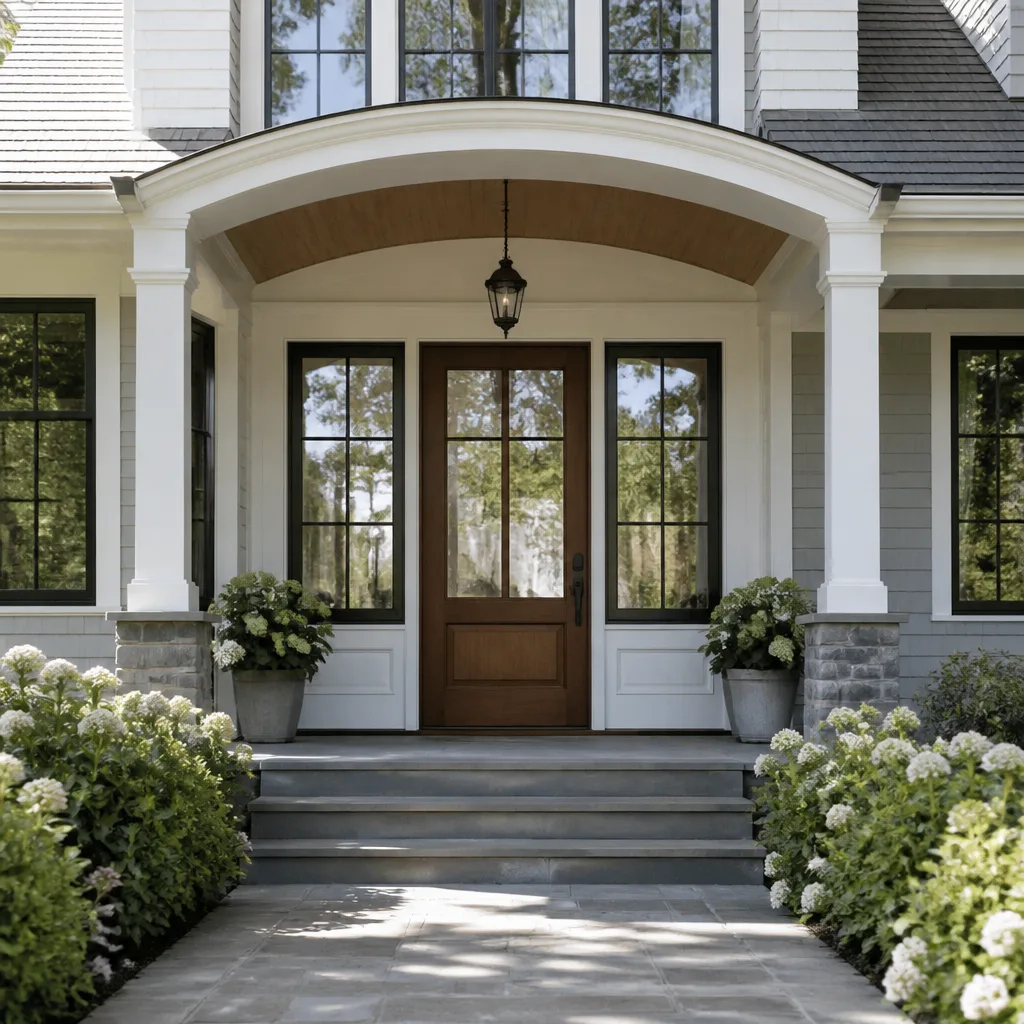
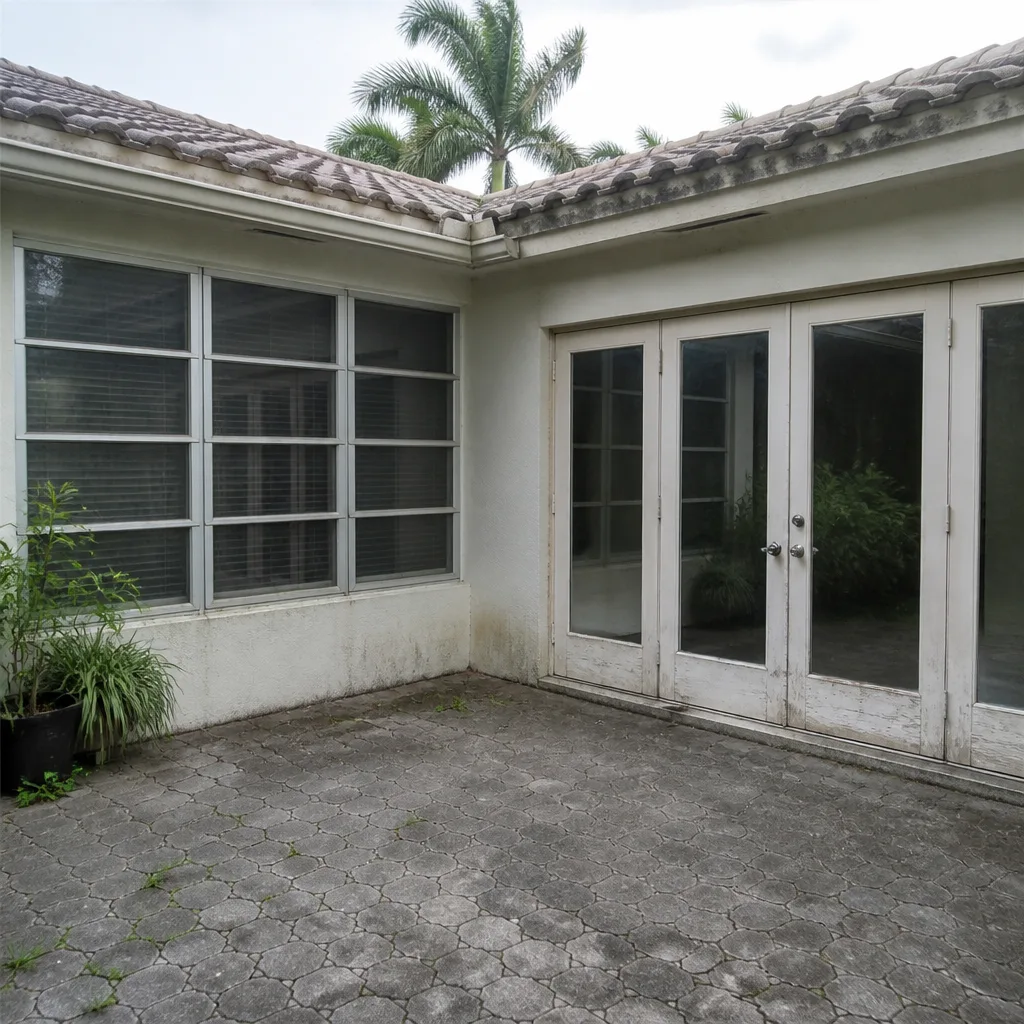 Before
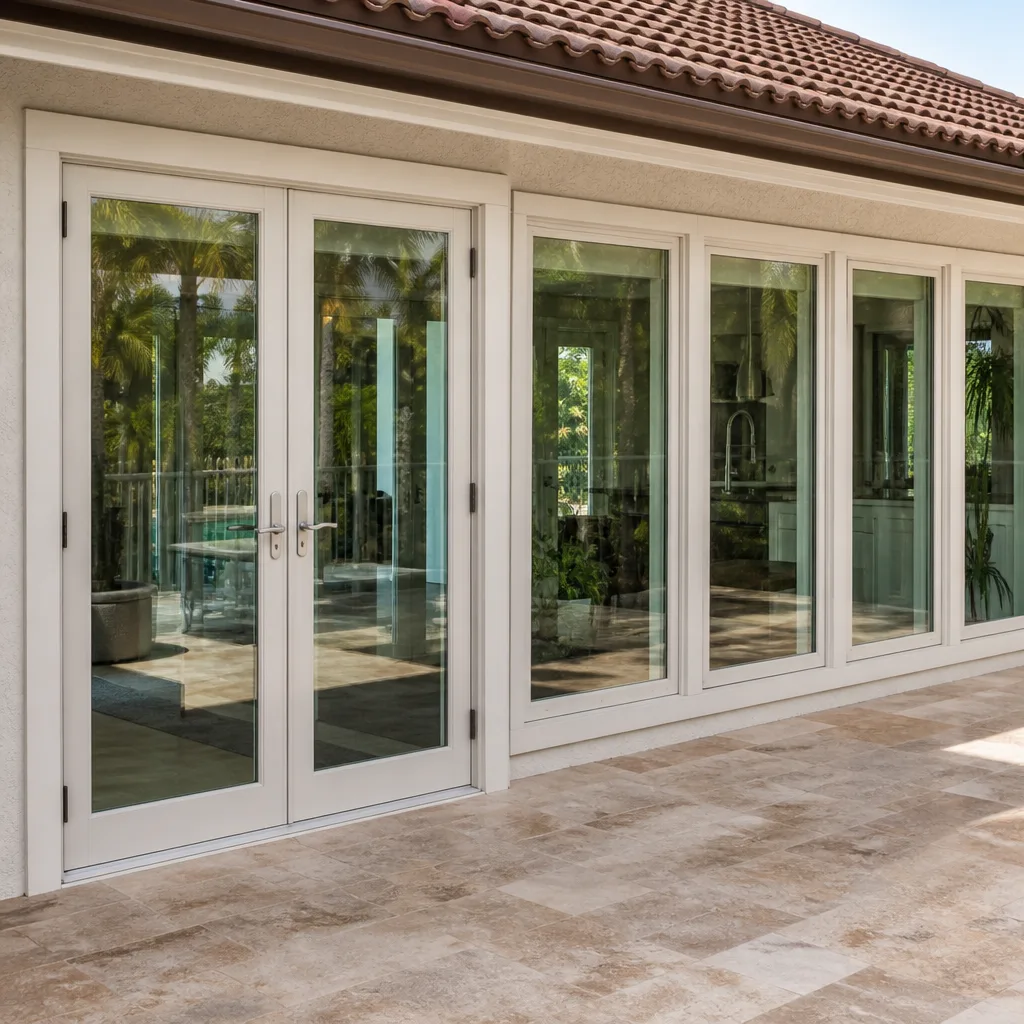 After
After Before
 After
After Before
 After
AfterThe Complete Guide to Windows & Doors in Jupiter
Jupiter sits inside Florida’s High-Velocity Hurricane Zone, a designation that makes standard building advice from Orlando or Tampa actively wrong for your home. A window rated for central Florida wind loads cannot legally pass inspection here. Yet most national buying guides never mention this distinction, and plenty of contractors treat Jupiter like any other coastal town. In this guide, we map the actual technical environment - HVHZ code requirements, salt-spray exposure zones, and the documented installation sequence that keeps your permit valid and your insurance intact - with seasonal windows & doors care for Jupiter tips to protect your investment year-round.
Quick Answer
Windows and doors in Jupiter must carry Miami-Dade Notice of Acceptance (NOA) or Florida Product Approval certification to meet HVHZ code, with frame materials and glazing packages selected for salt-air exposure and flood insurance requirements. A compliant installation requires permit pull, rough inspection, product verification against the approved spec, final inspection, and documented photo record - skipping any step voids both code compliance and manufacturer warranty coverage.
Table of Contents
- What HVHZ Means for Jupiter Homes
- Salt-Spray Exposure: Mapping Jupiter’s Four Zones
- Impact-Rated vs. Impact-Plus-Insulated Glass
- Reading the Certifications: NOA, Florida Product Approval, and DP Ratings
- Frame Materials for Jupiter’s Climate
- The Documented Installation Sequence
- What Your Insurance Underwriter Actually Checks
- Glossary: Spec Sheet Translation for Homeowners
 Before
 After
AfterWhat HVHZ Means for Jupiter Homes
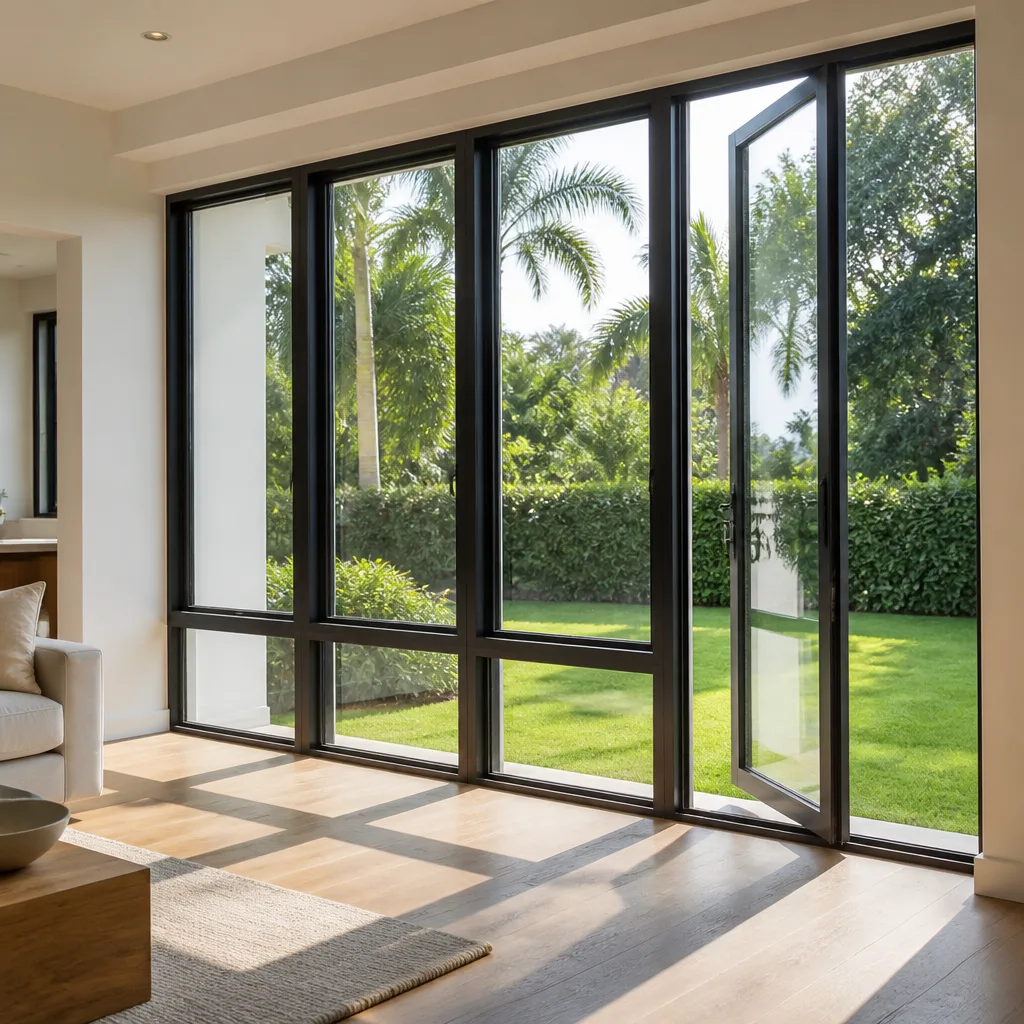
Florida divides its wind-borne debris regions into two categories: the standard Wind-Borne Debris Region and the High-Velocity Hurricane Zone (HVHZ). Jupiter falls entirely within the HVHZ, along with Broward and Miami-Dade counties. This is not a minor bureaucratic distinction. It changes every product specification, every inspection checkpoint, and every insurance verification.
In the HVHZ, the Florida Building Code requires that all exterior glazing - windows, doors, and skylights - pass missile-impact testing followed by cyclic wind-pressure testing. A product that carries standard Florida Product Approval for Orlando may lack the Miami-Dade NOA required for Jupiter installation. We have reviewed competitor quotes where the specified window carried only statewide approval; the permit would have been rejected at rough inspection.
The practical effect for Jupiter homeowners: your contractor must verify the NOA or HVHZ-specific Florida Product Approval number before ordering, and that number must match the product label at delivery. The building inspector will check. Your insurance underwriter may check after a storm. We document this verification in every window installation in Jupiter we perform, with the product label photographed and filed under Haven Clause 4 (Evidence on Every Job).
Wind speed design requirements also differ. Jupiter’s basic wind speed for risk Category II buildings is 170 mph (three-second gust), compared to 140 mph in much of the rest of the state. This drives the Design Pressure (DP) rating your openings must achieve. A typical single-hung window in a Jupiter home needs DP-50 or higher depending on height and exposure; the same window in Gainesville might only need DP-35.
Salt-Spray Exposure: Mapping Jupiter’s Four Zones
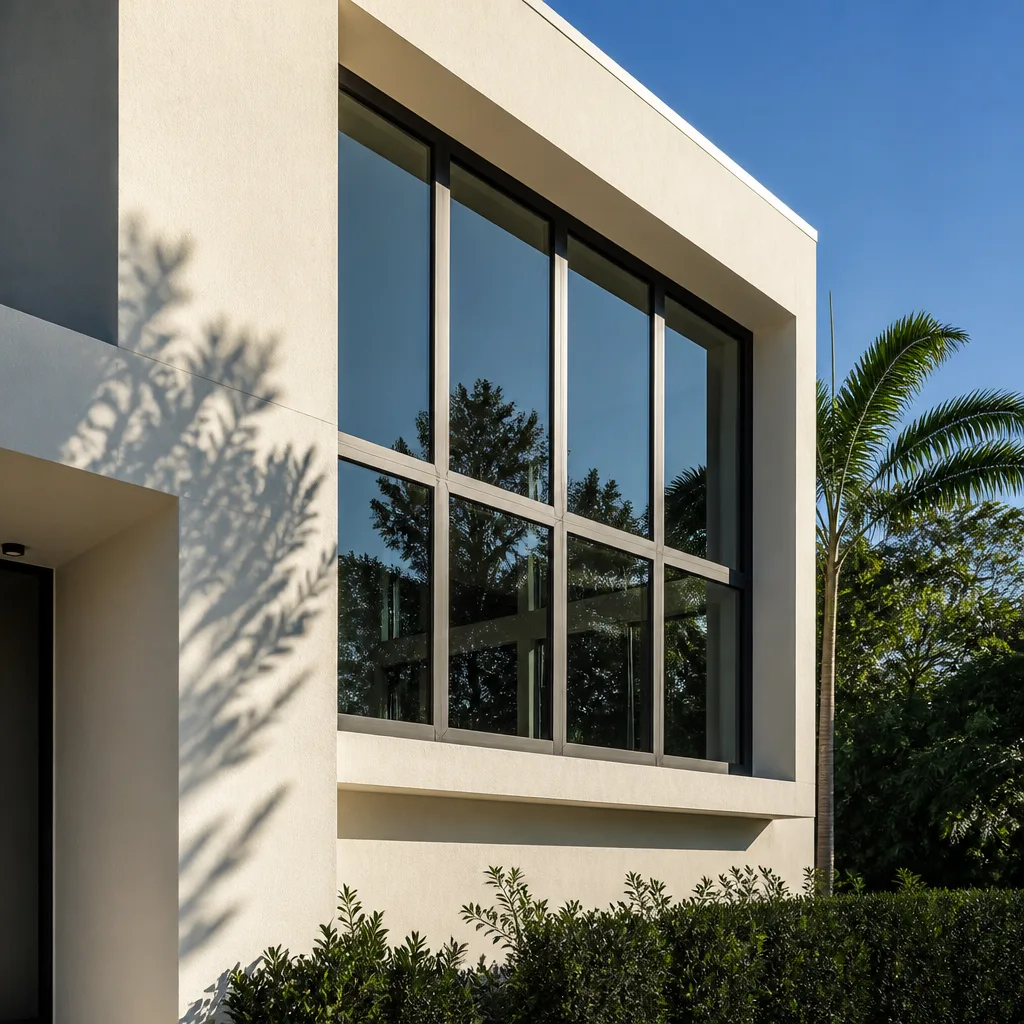
The Florida Building Code divides coastal construction into four exposure categories based on distance from salt water and prevailing wind patterns. For Jupiter, this maps to actual neighborhoods in ways that should drive material selection.
Exposure Category D applies to structures within 600 feet of the Atlantic Ocean or the Intracoastal Waterway, or within 600 feet of a major saltwater inlet. In Jupiter, this includes Jupiter Inlet Colony, parts of Jupiter Island, and waterfront properties along the Loxahatchee River. Here, aluminum frames require either 5005-H14 alloy or a 50-micron anodized finish minimum. Vinyl frames need capstock with UV and salt inhibitors, not standard residential-grade compound. We have measured frame corrosion on 7-year-old installations in Jupiter Inlet Colony where the original contractor used standard 6063-T5 aluminum without anodizing; the sightline distortion was visible from the street.
Exposure Category C covers the bulk of Jupiter proper - neighborhoods like Abacoa, Jupiter Farms (eastern sections), and Tequesta adjacent areas. Salt deposition is moderate but persistent. Anodized aluminum or quality vinyl with reinforced corners performs adequately. Wood-clad products require factory-applied fluoropolymer coating, not site-painted finishes.
Exposure Category B applies to areas buffered by significant vegetation or distance - western Jupiter Farms, parts of Palm Beach Country Estates. Standard coastal-grade materials suffice, though we still specify products rated for Category C minimum given Jupiter’s overall environment.
Exposure Category A is essentially nonexistent in Jupiter; even the westernmost developed areas remain within moderate salt influence.
The mistake we correct most often: a homeowner receives a quote for “coastal-grade” windows without the exposure category specified, then discovers the product is only rated for Category B. The price looked attractive. The frame will not last.
Impact-Rated vs. Impact-Plus-Insulated Glass
Every window and door in Jupiter must be impact-rated or protected by an approved shutter system. But “impact-rated” describes only the glass and frame assembly’s ability to resist wind-borne debris. It does not describe energy performance, and the two characteristics are specified separately.
Impact-rated single-pane (laminated glass, no low-E coating) meets code for wind-borne debris protection. It is the minimum legal installation. In Jupiter’s climate, it performs poorly on solar heat gain - the SHGC often exceeds 0.40, meaning 40% of solar radiation enters the home. Cooling costs rise accordingly. We see this specification most often in rental properties and budget-conscious flip projects.
Impact-rated insulated glass unit (IGU) combines laminated outer lite with tempered inner lite, separated by a warm-edge spacer and argon fill. The addition of low-E coating (typically soft-coat, surface #2 or #3) drops SHGC to 0.25 or below. This is the specification we recommend for owner-occupied Jupiter homes, and it is what most insurance underwriters prefer to see documented.
Impact-plus-insulated with enhanced low-E adds spectrally selective coatings that filter infrared light while maintaining visible transmittance. Products like PGT’s WinGuard Vinyl with Solarban 70XL or CGI’s Estate Collection with low-E366 achieve SHGC below 0.20 with VT above 0.60. The premium is 15-25% over standard impact IGUs. For west-facing Jupiter homes with unshaded afternoon exposure, the payback period is typically 6-8 years at current FPL rates.
The insurance angle: Florida insurers increasingly require documentation of opening protection and energy features for wind mitigation credits. A laminated single-pane window earns the opening protection credit but not the energy credit. An impact IGU with documented low-E coating earns both. The difference in annual premium can exceed $400 for a typical Jupiter home.
Reading the Certifications: NOA, Florida Product Approval, and DP Ratings

Three documents govern whether your window or door can legally install in Jupiter. Understanding how to read them protects you from specification errors that surface at inspection or after a storm.
Miami-Dade Notice of Acceptance (NOA)
The NOA is a product-specific certification issued by Miami-Dade County’s Building Code Compliance Office. It certifies that the exact product - specific model, size range, glazing type, and frame configuration - has passed HVHZ testing. The NOA number (format: 18-XXXX.XX) must be current (not expired or superseded). We verify NOA status in the Miami-Dade online database before quoting; the printout becomes part of the customer’s file. For door installation in Jupiter, the NOA must cover the exact door size and hardware set specified; a 6’0″ door cannot substitute for a 5’0″ with the same series name.
Florida Product Approval (FPA)
State-issued approval with broader geographic scope but equivalent technical rigor for HVHZ products. The FPA number (format: FLXXXXX) appears on the product label and must match the approval document. Some manufacturers hold FPA but not Miami-Dade NOA; either is acceptable for Jupiter permits, but the approving authority must be listed as HVHZ-compliant.
Design Pressure (DP) Rating
DP measures the structural load a window or door can withstand, expressed in pounds per square foot (psf). It is not the same as wind speed. A DP-50 window can resist 75 psf of pressure - equivalent to roughly 170 mph winds on a single-story structure in Exposure B, but the conversion depends on building height, exposure, and internal pressure coefficients. The permit engineer of record calculates the required DP for each opening. We have seen Jupiter homeowners request “hurricane-proof” windows without understanding that DP-35 and DP-70 are both “hurricane-rated” but for different applications. The measured survey we provide specifies the required DP for each opening; the quote matches that specification exactly.
How to verify on your own:
- Ask your contractor for the NOA or FPA number before signing.
- Check the Miami-Dade database (miamidade.gov/buildingcode) or Florida DBPR Product Approval system.
- Confirm the product dimensions, glazing, and hardware in the quote match the approved configuration exactly.
- At delivery, photograph the product label and compare the approval number to your documentation.
Frame Materials for Jupiter’s Climate
Frame selection in Jupiter involves balancing salt resistance, thermal performance, structural capacity for impact glazing weight, and maintenance requirements. Each material carries trade-offs that matter more here than inland.
Aluminum
The traditional HVHZ frame material. High strength-to-weight ratio supports large impact-rated lites. Requires thermal break (polyamide strip separating interior and exterior extrusions) for energy compliance; non-thermal-break aluminum is code-noncompliant for residential use in Florida. In Jupiter’s salt air, specify 5005-H14 alloy or 6063-T6 with minimum 50-micron anodizing or Kynar 500 fluoropolymer paint. We have replaced inadequately finished aluminum frames in Juno Beach and Jupiter Inlet Colony at 8-12 year intervals due to pitting and sightline degradation. Quality aluminum from PGT or CGI, properly finished, lasts 25+ years.
Vinyl (uPVC)
Superior thermal performance - U-factors 0.30 or below are standard. Salt resistance is inherent; no coating required. Structural reinforcement with aluminum or galvanized steel inserts is necessary for impact-rated units; unreinforced vinyl cannot achieve HVHZ DP ratings in larger sizes. Capstock quality varies significantly; we specify only vinyl with titanium dioxide content above 8% and full capstock coverage (not co-extruded with substrate exposure). In Jupiter’s UV exposure, lower-grade vinyl chalks and becomes brittle within 10-15 years.
Fiberglass
Excellent thermal and structural properties. Pultruded fiberglass frames from specialized manufacturers achieve U-factors below 0.25 with minimal expansion/contraction. Salt immunity is complete. Cost premium is 30-50% over aluminum or vinyl. Limited impact-rated product availability; we have installed fiberglass in custom applications where the performance justified extended lead times.
Wood and Wood-Clad
Aesthetically preferred for certain architectural styles. Requires factory-applied exterior cladding (aluminum or vinyl) in Jupiter’s climate; site-applied paint or stain fails within 3-5 years. Interior wood requires climate-controlled conditions to prevent warping. We specify wood-clad only for protected exposures (Category B or C with substantial overhang) and always with documented maintenance schedules.
Composite (Fibrex, etc.)
Wood fiber/thermoplastic composites offer middle-ground performance. Thermal expansion rates match glass more closely than vinyl, reducing seal stress. Limited impact-rated HVHZ availability; we have used composite frames in non-impact applications with approved shutter systems.
The Documented Installation Sequence
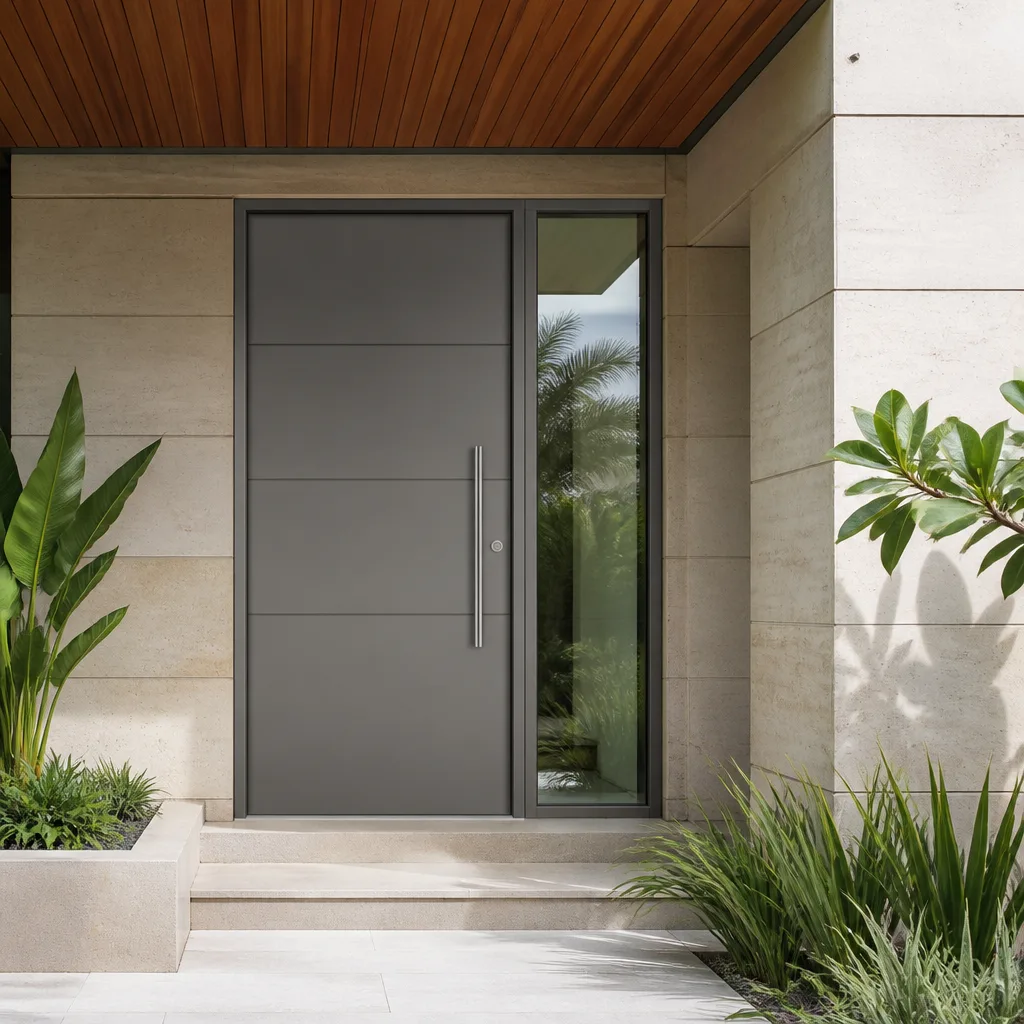
A compliant Jupiter installation follows a specific sequence. Skipping steps or performing them out of order voids manufacturer warranty, code compliance, and often insurance coverage. This is the sequence we document on every job under Haven Clause 4.
Step 1: Measured Survey and Written Scope
We measure every opening to 1/8″ tolerance, record existing conditions (frame squareness, sill condition, wall thickness), and note structural anomalies. The customer receives this survey document. The written quote references these measurements exactly; they cannot diverge. This is Haven Clause 1: Have It in Writing.
Step 2: Permit Application
Jupiter Building Department requires permits for all window and door replacements in HVHZ. The application includes product approval numbers, DP ratings, and installation details from the manufacturer’s NOA. We pull permits as the contractor of record; homeowner-pulled permits for this work are generally not advisable given the technical documentation required, which is why many homeowners start with our step-by-step guide to hiring a windows & doors contractor in Jupiter.
Step 3: Rough Inspection
After old unit removal and before new unit installation, the inspector verifies opening preparation: sill pan flashing, rough opening dimensions, structural integrity, and anchor embedment depth. In Jupiter, this inspection also confirms that the approved product matches the permit application - we have seen installations halted because the delivered unit lacked the specified impact rating.
Step 4: Product Verification at Delivery
The product label is photographed and cross-referenced to the NOA/FPA document. We verify: manufacturer, series, size, glazing specification, DP rating, and approval number. The customer receives these photographs. Any discrepancy stops installation until resolved.
Step 5: Installation per Manufacturer’s HVHZ Detail
Anchor type, spacing, and embedment follow the exact detail in the NOA - not generic best practice. Sealant backer rod and joint dimensions match the approved detail. Sill pan flashing integrates with weather-resistant barrier per FBC R703.4. We have corrected competitor installations where generic Tapcon anchors substituted for the specified epoxy-set anchors; the structural capacity differs by 40%.
Step 6: Final Inspection
Jupiter Building Department verifies installation against the approved detail, tests operation, and confirms egress compliance for bedroom windows. The certificate of completion is required for insurance documentation.
Step 7: Documented Photo Record and Warranty Registration
We photograph completed installation from multiple angles, including close-ups of sealant joints, anchor locations, and product labels. The customer receives this record. Manufacturer warranty is registered with the verified product information. Haven Clause 4 is satisfied.
What Your Insurance Underwriter Actually Checks
After Hurricane Irma and Ian, Florida insurers tightened verification of opening protection. What your underwriter checks affects both premium calculation and claim validity.
Wind Mitigation Form (OIR-B1-1802)
The critical section for windows and doors is Section 4: Opening Protection. The inspector must verify that all openings are protected by impact-rated products or approved shutters, and that the protection level is consistent (no mixed protection methods on the same elevation without engineering justification). For Jupiter homes, the inspector will request product approval numbers and may photograph labels. We provide the documentation package proactively; customers who completed window replacement in Jupiter with us receive a binder with approval numbers, installation photographs, and permit completion certificates.
Flood Insurance Considerations
Jupiter’s flood zones (AE, VE, and X zones varying by elevation) affect foundation and opening requirements. In VE zones, breakaway wall construction for below-BFE enclosures requires specific door and window specifications. We have consulted on Jupiter Inlet Colony properties where standard impact-rated doors were incorrectly installed in breakaway walls; the NFIP compliance failure affected the entire policy.
Post-Storm Claims
If damage occurs, the insurer investigates whether the installed product matched the permitted specification. We have assisted customers with claims documentation where our photo record and permit history accelerated processing. Conversely, we have seen claims disputed where the homeowner could not produce product approval documentation or where installation was unpermitted.
The practical takeaway: your installation documentation is an insurance asset, not bureaucratic residue. We treat it that way from the initial survey forward.
Glossary: Spec Sheet Translation for Homeowners
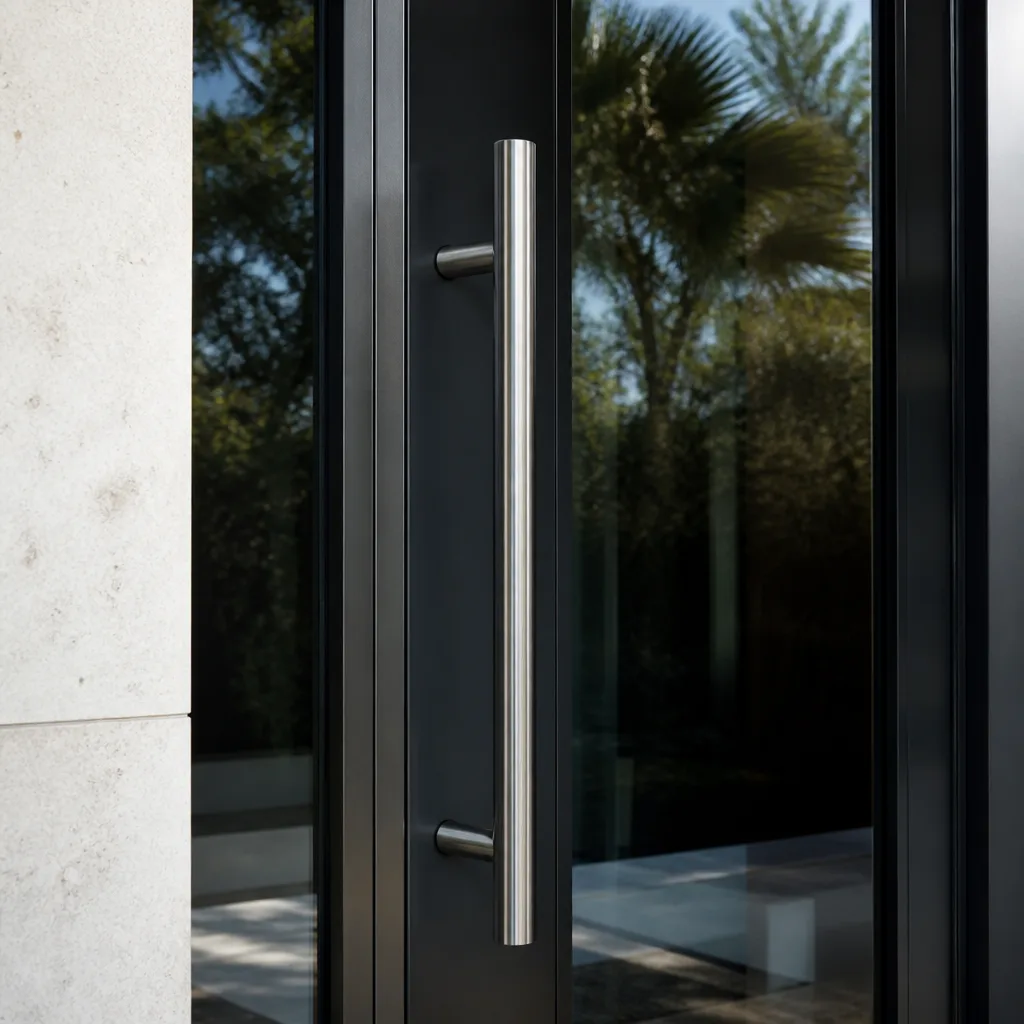
Trade vocabulary creates information asymmetry - contractors know what these terms mean, homeowners often do not. This glossary levels that field.
- Sightline - The visible width of frame material when you look straight at the window. Narrower sightlines mean more glass and less frame. In impact-rated products, achieving narrow sightlines with sufficient structural capacity requires premium engineering; cheap impact windows often look bulky.
- Glazing - The glass package, including lites, coatings, gas fills, and spacers. “Glazing” does not mean the act of installing glass; it means the glass assembly itself.
- Impact-rated - Product that has passed missile impact test (large or small missile, depending on height) followed by cyclic pressure loading. Not “hurricane-proof” - no product is; it is debris-resistant to a tested standard.
- U-factor - Rate of heat transfer through the entire window assembly. Lower is better. Florida code maximum is 0.65 for replacement windows; we typically specify 0.30 or below for Jupiter’s cooling-dominated climate.
- SHGC (Solar Heat Gain Coefficient) - Fraction of solar radiation admitted through the window. Lower means less heat gain. Jupiter west-facing windows benefit from SHGC below 0.25; north-facing can tolerate higher values for better daylighting.
- DP Rating (Design Pressure) - Structural load capacity in psf. Required DP varies by building height, exposure, and internal pressure. Your permit engineer calculates this; your contractor must match it.
- PGT, CGI, CWS, ViewLux - Manufacturer brands we specify by performance tier, not margin. PGT and CGI dominate impact-rated aluminum and vinyl; CWS offers value-engineered vinyl; ViewLux specializes in high-performance custom and geometric configurations.
- SDL (Simulated Divided Lite) - Decorative grid applied to the glass surface or between lites, creating the appearance of multiple panes without the thermal penalty of true divided lites. SDL patterns must be specified at order; they cannot be added after manufacturing.
- Sill Pan Flashing - Formed metal or composite pan installed at the rough opening sill to drain water to the exterior. Required by Florida Building Code; missing or improperly lapped sill pan flashing is the most common installation defect we correct.
- NOA (Notice of Acceptance) - Miami-Dade County product certification for HVHZ use. The NOA number, expiration date, and approved configuration must match your installation exactly.
- Warm-Edge Spacer - Spacer material between IGU lites with lower thermal conductivity than aluminum. Reduces condensation risk and improves U-factor. Standard in quality impact IGUs; often omitted in budget products.
Common Mistakes to Avoid
- Assuming “Florida-approved” means HVHZ-compliant. Statewide Florida Product Approval does not automatically include HVHZ rating. Verify the approval explicitly lists High-Velocity Hurricane Zone compliance before purchasing for Jupiter installation.
- Matching neighbor’s specifications without checking exposure category. A Jupiter Farms home 3 miles inland faces different salt exposure than the same model home on Jupiter Island. The neighbor’s frame material choice may be wrong for your location.
- Accepting verbal assurance of permit handling. Unpermitted window replacement in Jupiter is a code violation that voids manufacturer warranty and complicates insurance claims. Demand the permit number and verify it with Jupiter Building Department.
- Ignoring the measured survey. If your quote does not reference specific opening dimensions, it is not a fixed price. Haven Clause 1 requires the measurement document and quote to be the same; anything else invites change orders.
- Selecting single-pane impact glass for occupied living spaces. Code-compliant but energy-inefficient. The cooling cost penalty in Jupiter’s climate typically exceeds the upfront savings within 3-5 years.
- Installing non-impact products with “hurricane film.” Window film does not meet HVHZ opening protection requirements. It may improve glass retention but does not provide missile impact resistance; inspectors will reject it, and insurers will not credit it.
- Neglecting to document product labels before installation. Labels are often removed or covered during installation. Photograph them at delivery; this documentation is essential for warranty claims and insurance verification.
When to Call a Professional
Contact a qualified window and door contractor when: your home was built before 2002 and retains original non-impact windows (pre-HVHZ code); you’ve received an insurance notice requiring opening protection documentation; you’re experiencing frame deterioration, seal failure, or operational problems; or you’re planning a renovation that alters opening sizes or locations. Unsure whether to tackle prep work yourself? Read our DIY vs Professional Windows & Doors: The Jupiter Homeowner’s Decision Guide first. Sightline Windows & Doors Jupiter offers free estimates in Jupiter - call (772) 362-5402. We also provide free second opinions on any written estimate from another contractor; bring us their scope and we will review it against HVHZ requirements at no charge.
Frequently Asked Questions
Impact-rated window replacement in Jupiter typically ranges from $850 to $2,400 per opening installed, depending on size, frame material, glazing specification, and access conditions. Standard vinyl impact IGUs with basic low-E fall at the lower end; large-format aluminum with spectrally selective glazing or custom geometries reach the upper range. Every quote we provide is written and fixed before work begins, based on the measured survey you keep. Call (772) 362-5402 for an exact quote - estimates are free.
Yes. Jupiter Building Department requires permits for all window and door replacements in the High-Velocity Hurricane Zone. The permit application must include product approval numbers, DP ratings, and installation details. Final inspection is required for code compliance and insurance documentation. We pull permits as standard practice on every job; the permit number and inspection results are included in your documentation package.
PGT and CGI are both Miami-Dade NOA-holding manufacturers with strong Jupiter presence. PGT offers broader size range and series variety, including the WinGuard vinyl and aluminum lines. CGI specializes in aluminum impact products with narrower sightlines and premium architectural aesthetics. We specify between them based on opening requirements and performance targets, not margin. Both are valid choices when matched to the correct application.
Typical residential window replacement of 10-15 openings completes in 2-3 working days after permit approval, assuming standard access and no structural remediation. Custom or oversized units may extend lead time for manufacturing. We do not promise same-day completion; proper installation sequence including inspection coordination requires scheduled time. The measured survey specifies exact timeline before you commit.
Most Jupiter homeowners see wind mitigation premium reductions of $300-$800 annually with documented impact-rated opening protection, depending on carrier and policy structure. The reduction requires a current wind mitigation inspection (OIR-B1-1802) verifying product approval numbers and installation compliance. Impact IGUs with low-E coating may qualify additional energy efficiency credits. We provide the documentation package your inspector needs.
DIY installation is legally possible but practically inadvisable for HVHZ work. Product warranty typically requires certified installation; permit inspection requires knowledge of manufacturer’s approved detail; and structural anchor calculations are engineering-dependent. Errors in any of these void both code compliance and insurance coverage. We have corrected DIY installations where anchor embedment was insufficient or sill pan flashing was omitted; the cost of correction exceeded original professional installation.
The Bottom Line
Jupiter’s High-Velocity Hurricane Zone designation, salt-air exposure, and insurance verification requirements create a technical environment where generic advice fails. Successful window and door projects require: HVHZ-certified products with verified NOA or Florida Product Approval; frame materials selected for actual exposure category; impact-plus-insulated glazing for energy performance and insurance credits; and a documented installation sequence from permit through final inspection. Every specification should be written before work begins, every product label verified at delivery, and every completed job recorded with photographic evidence. Anything less leaves you exposed - to code violations, warranty disputes, and insurance complications you will discover only when you need coverage most.
Written by Sonia Raman, Owner at Sightline Windows & Doors Jupiter, serving Jupiter since 2012.