
Last updated September 24, 2026
Free in-home measure and quote - PGT, CGI and CWS impact lines compared on your actual openings, style by style
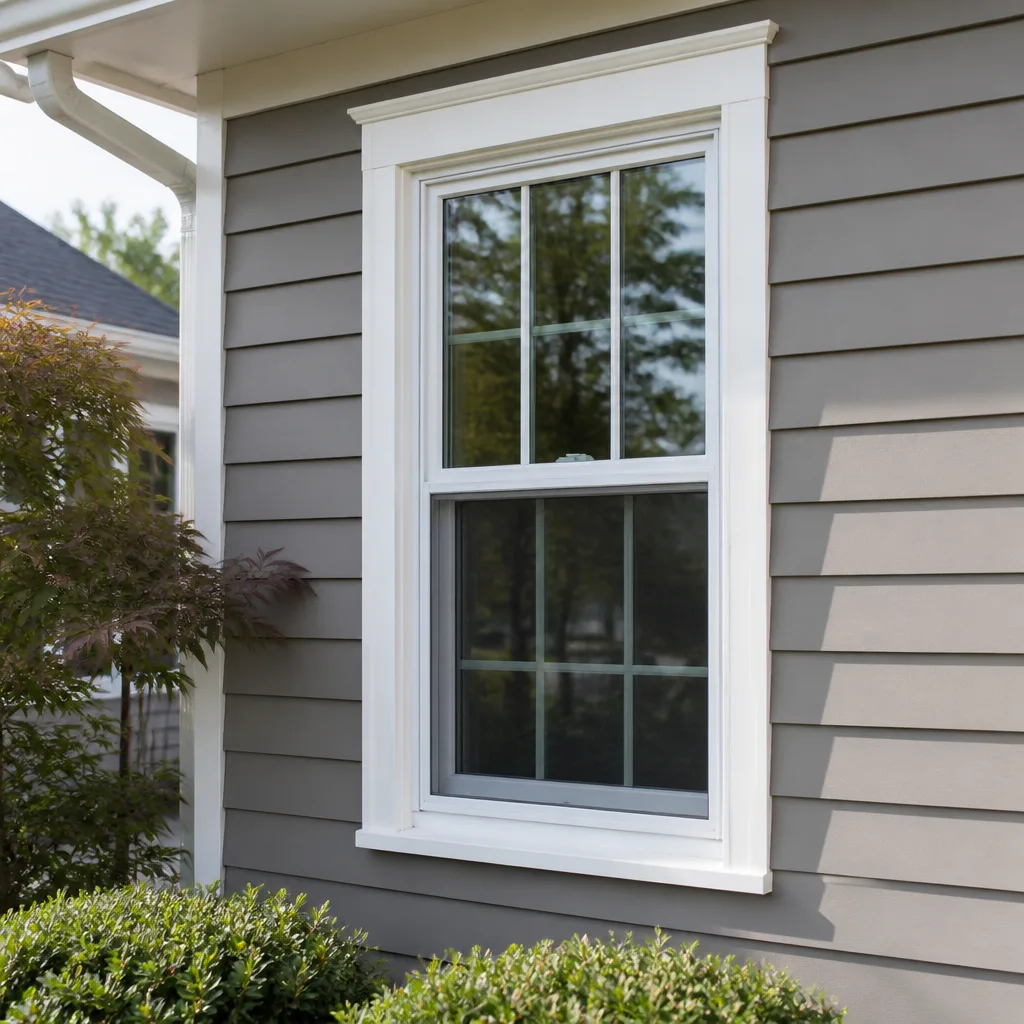
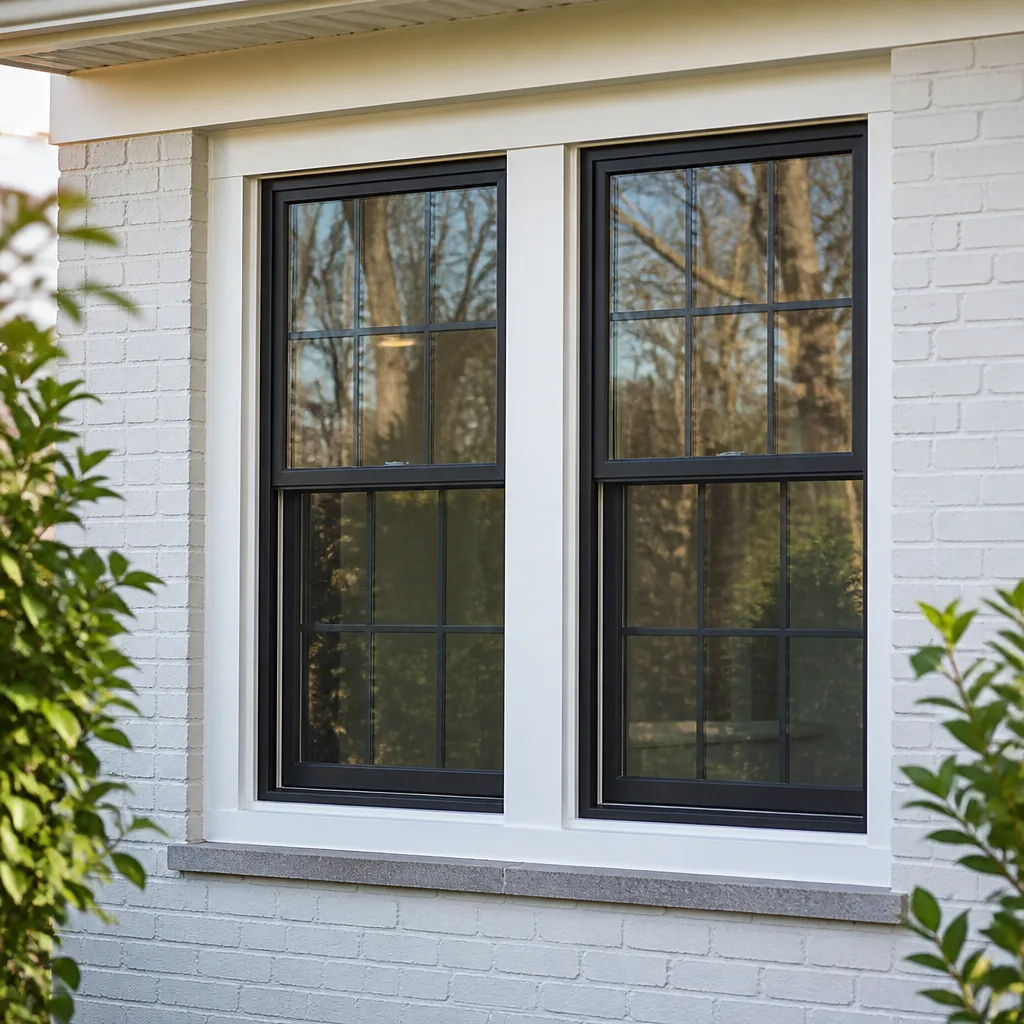
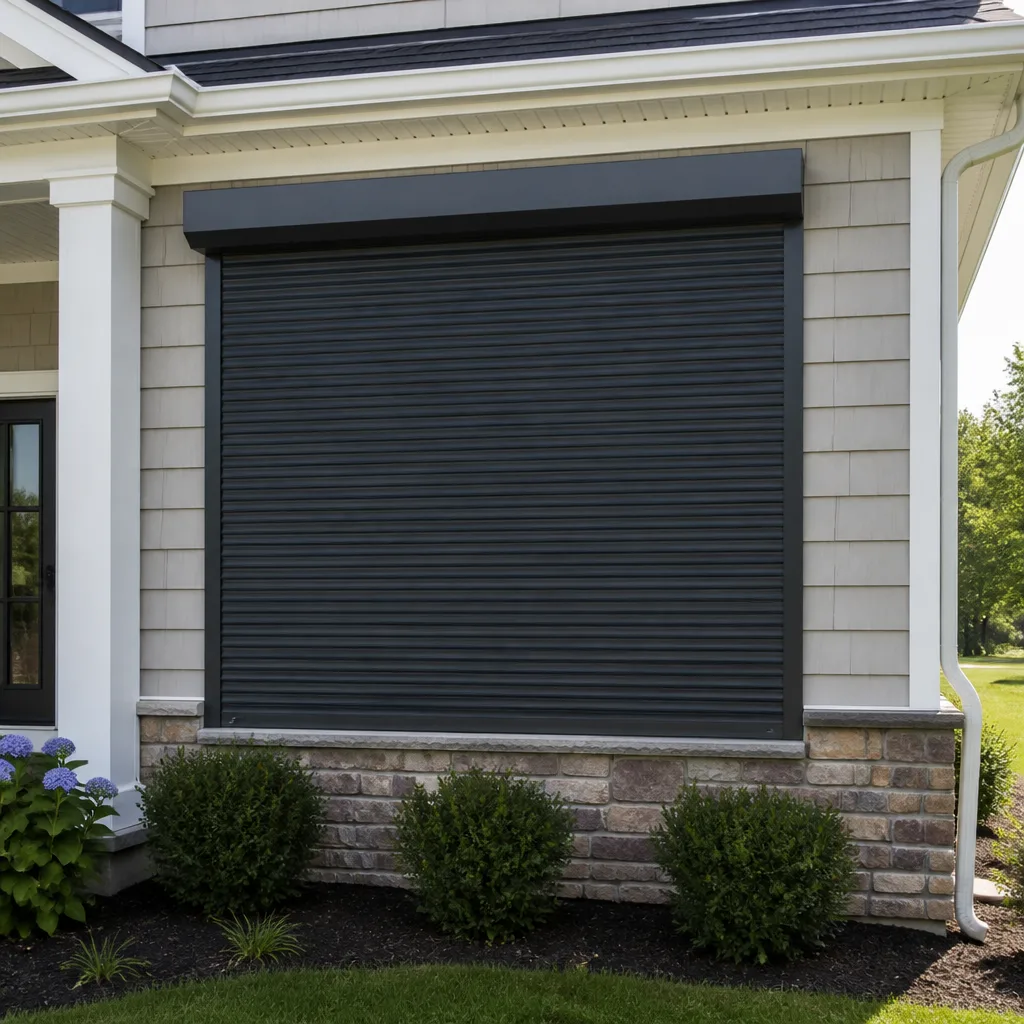
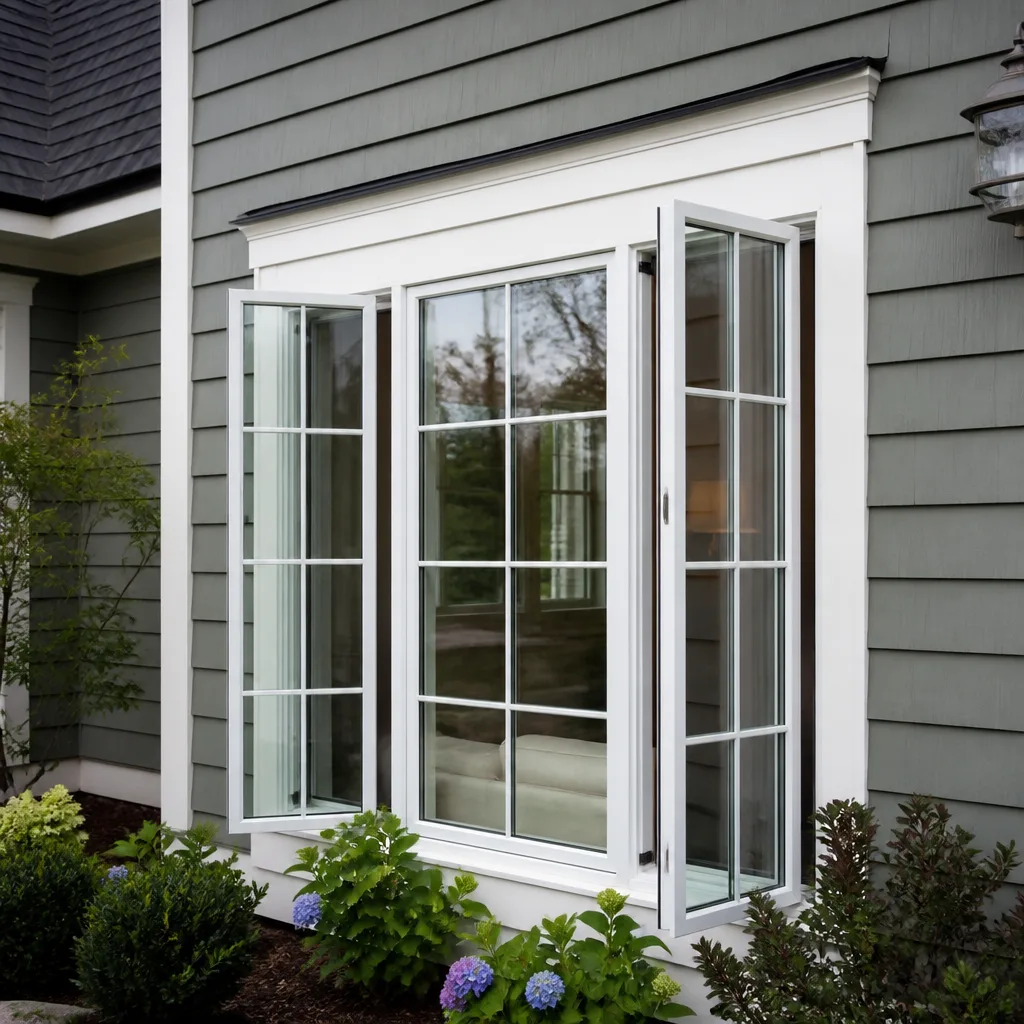
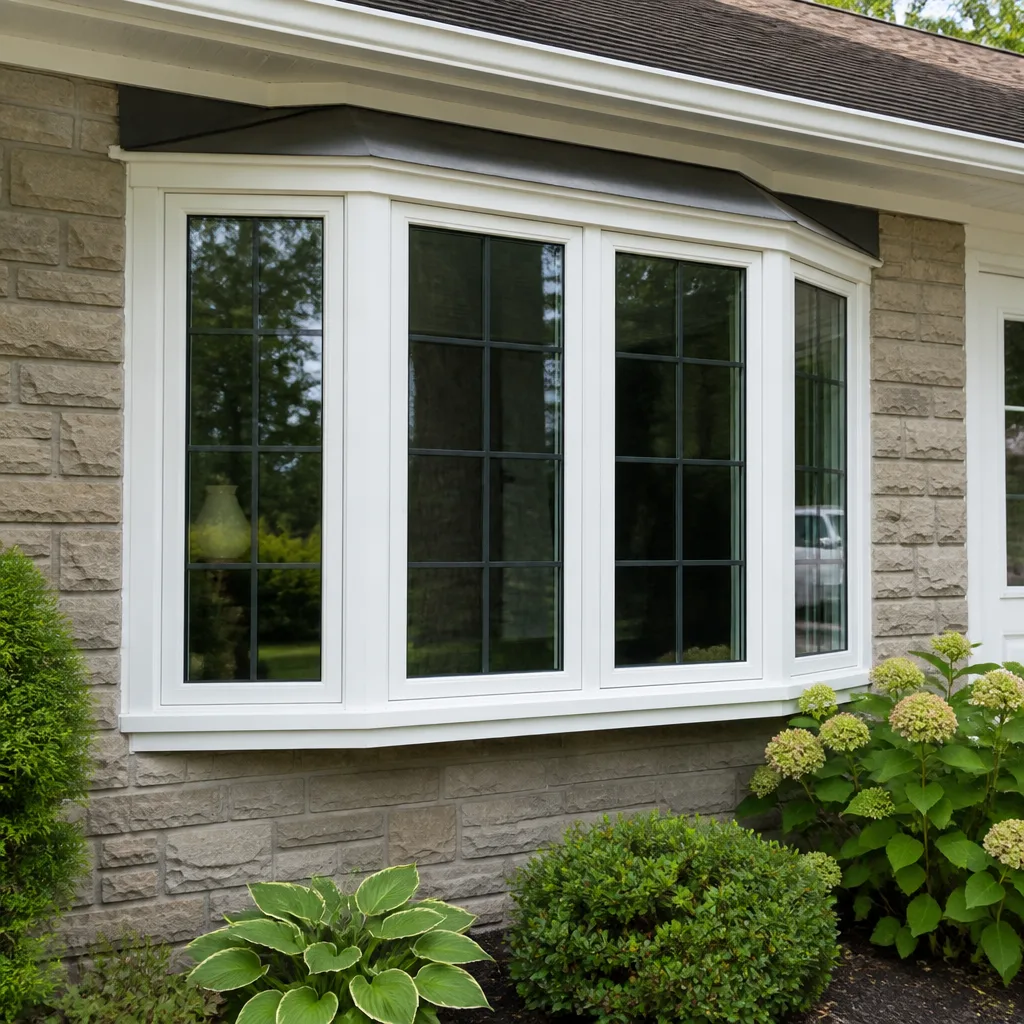
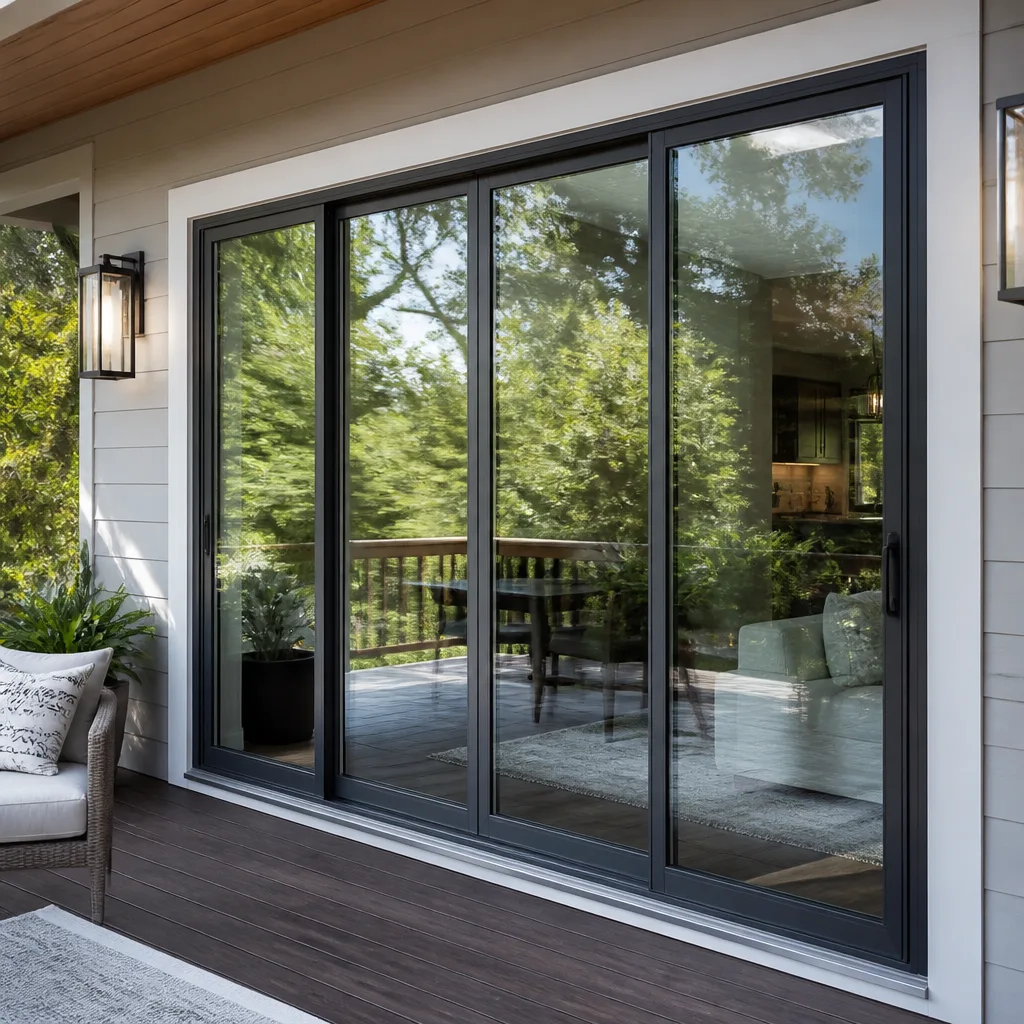
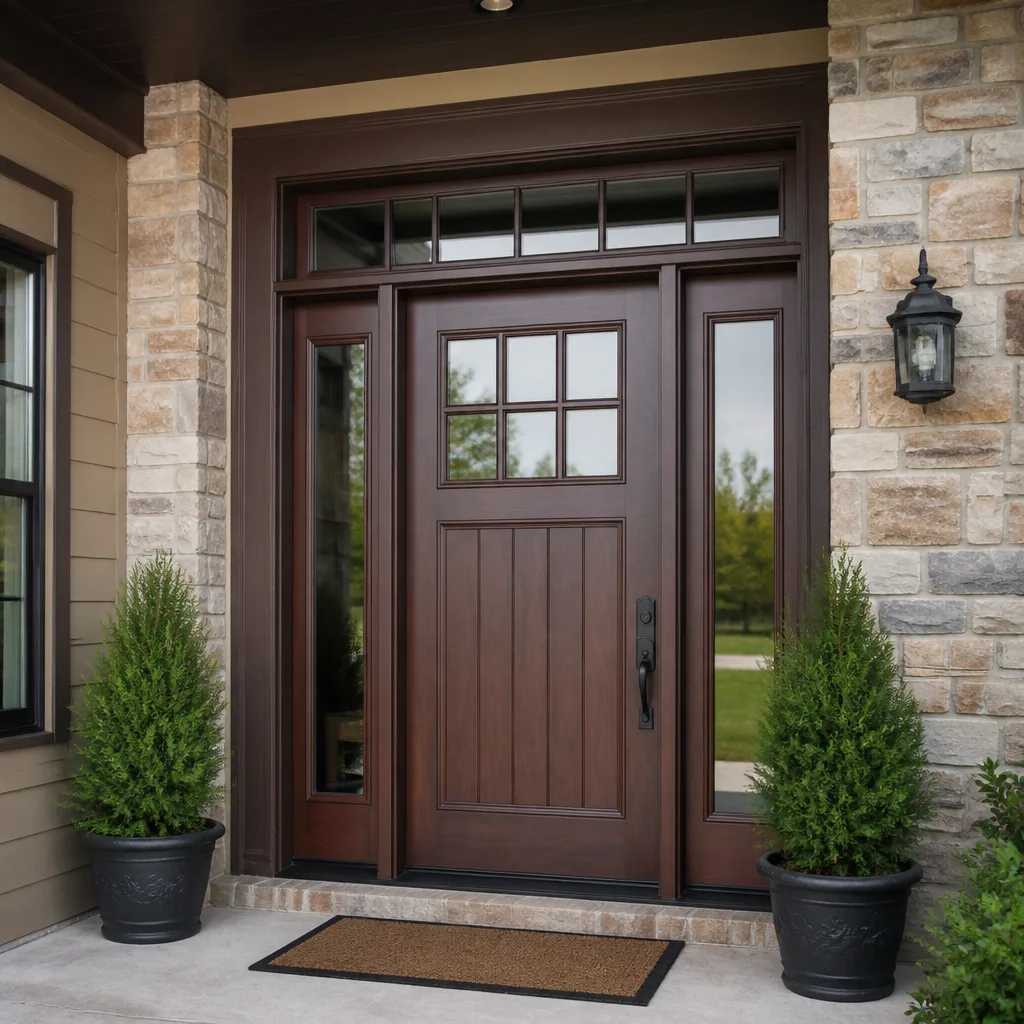
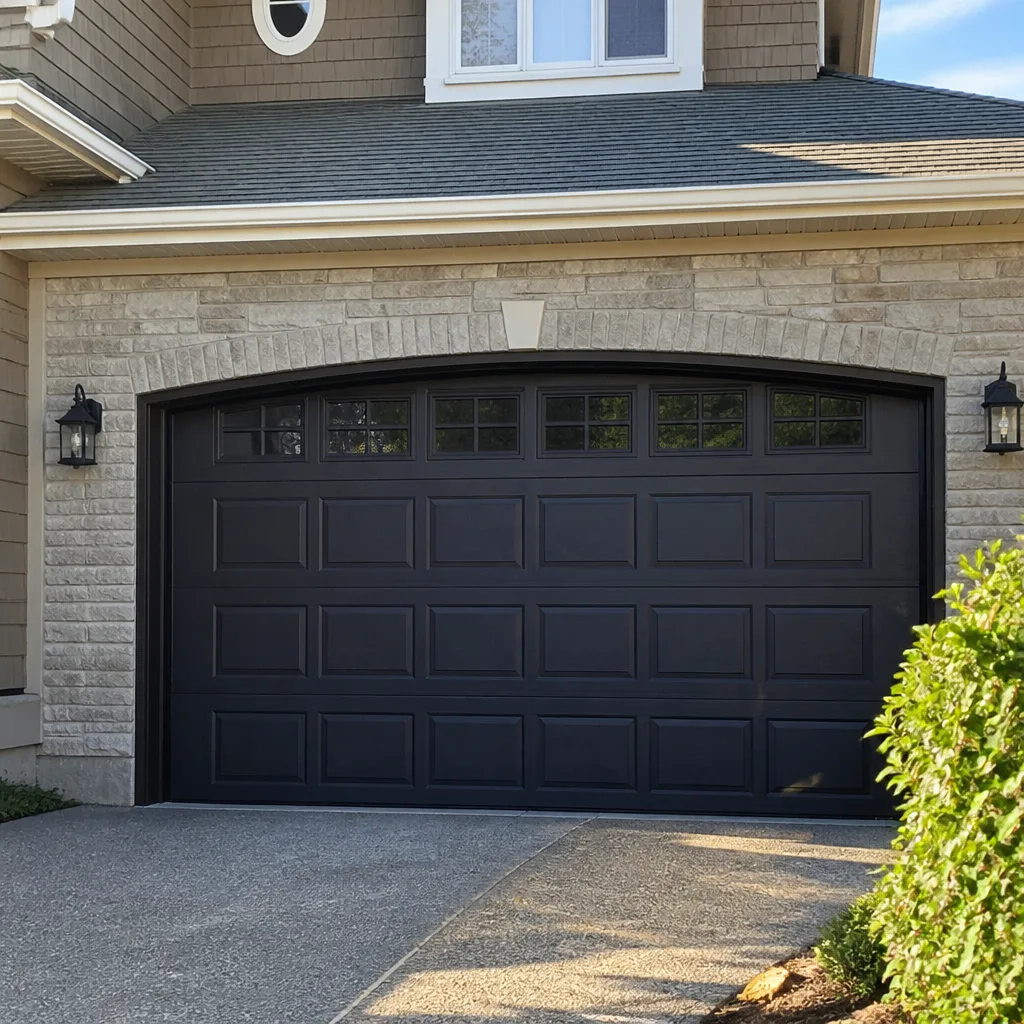
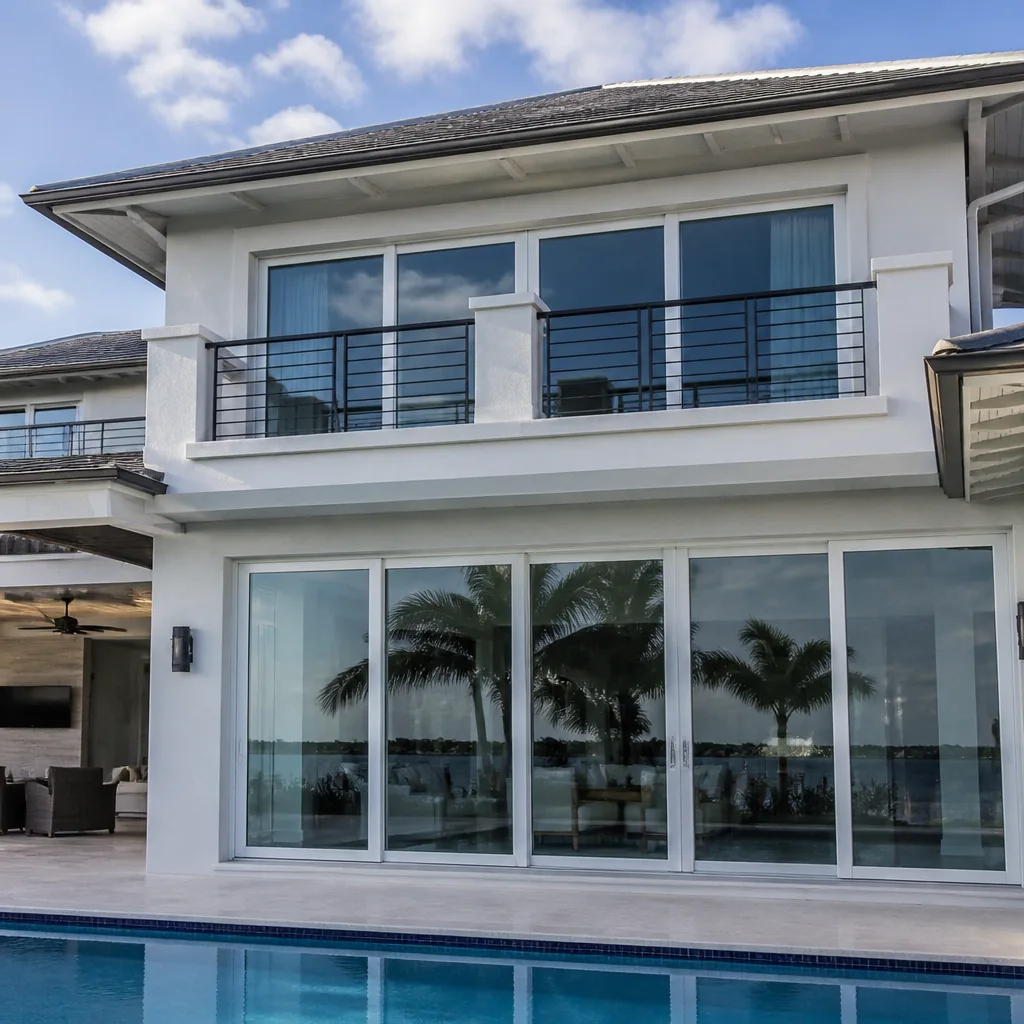
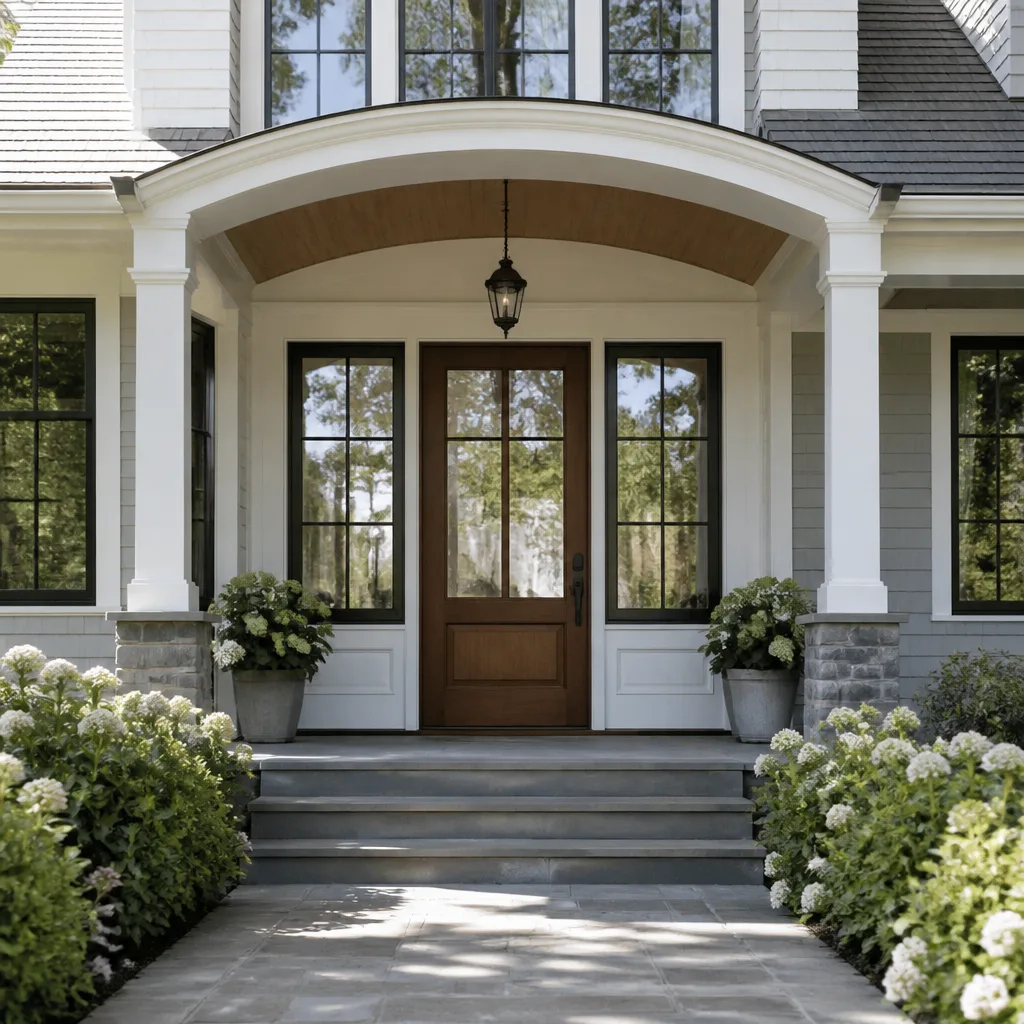
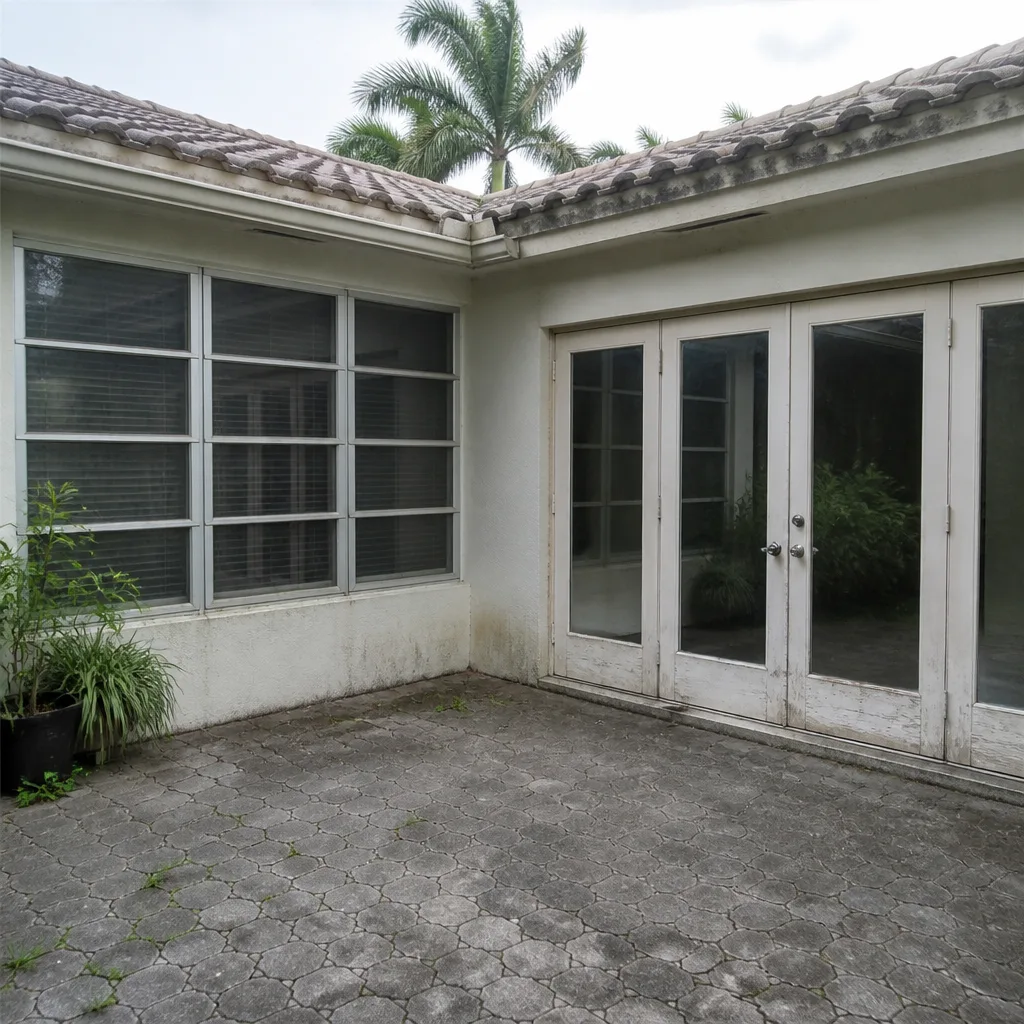 Before
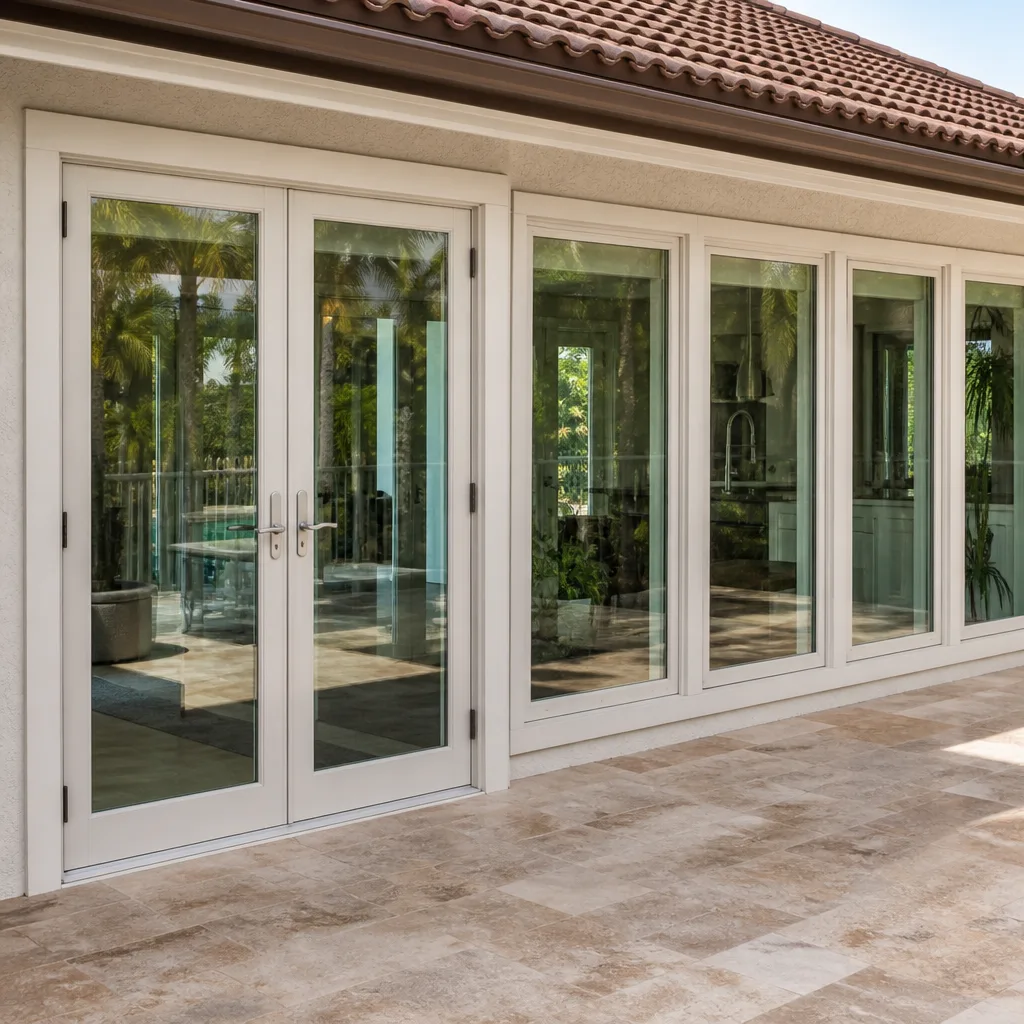 After
After Before
 After
After Before
 After
AfterSeasonal Windows & Doors Care for Jupiter: Year-Round Homeowner’s Guide
The maintenance interval that matters most for Jupiter window hardware isn’t annual. It’s 90 days for any frame within 1,500 feet of salt water, a threshold that covers most residential neighborhoods east of US-1, from Jupiter Inlet Colony north through Tequesta. Most more guides & resources import a four-season calendar written for temperate climates. Jupiter doesn’t have one. What we have is a salt-laden wet season with hurricane exposure from June through November, and a drier but still UV-intense cool season from December through May. The care tasks for your windows and doors track those two cycles. This guide maps what to do, when to do it, and what to document, based on what we’ve measured on 18,000+ openings since 2012.
Quick Answer
Jupiter homeowners should run two maintenance cycles per year: a pre-hurricane hardware audit in April-May and a post-storm inspection within 24 hours of any named storm’s passage, plus dry-season UV and seal checks in December-January. The salt air within 1,500 feet of the Intracoastal or Atlantic accelerates corrosion on locking mechanisms and anodized aluminum frames, compressing maintenance intervals to 90 days for coastal properties. Impact-rated windows and doors require specific torque, compression, and adhesion tests that visual inspection alone cannot verify.
Table of Contents
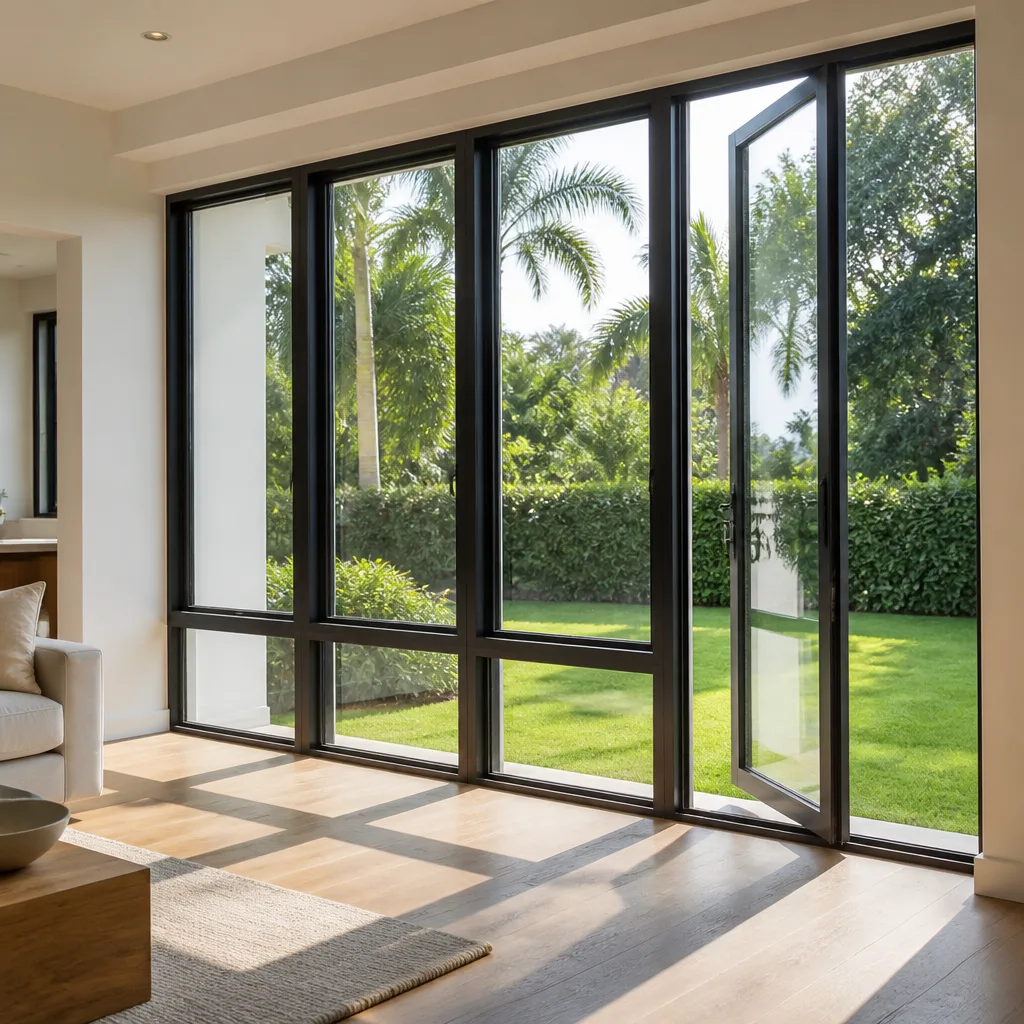
- Wet Season (June-November): Salt, Humidity, and Hurricane Exposure
- Pre-Hurricane Season Audit: April-May Hardware Protocol
- Post-Storm Protocol: The 24-Hour Assessment Window
- Dry Season (December-May): UV, Oxidation, and Seal Recovery
- Why Jupiter’s No-Freeze Winter Damages Threshold Seals Differently
- The Jupiter Seasonal Maintenance Log: Documentation for Insurance
- Product-Specific Care by Manufacturer Line
- Common Mistakes to Avoid
- When to Call a Professional
- Frequently Asked Questions
- The Bottom Line
 Before
 After
AfterWet Season (June-November): Salt, Humidity, and Hurricane Exposure
Jupiter’s wet season delivers 60 to 70 percent of annual rainfall in concentrated bursts, often driven by afternoon convection that tests window and door seals from the outside while interior air conditioning maintains a pressure differential from within. The salt content in coastal air, measured at roughly 3.5 to 5 milligrams per cubic meter within a mile of the Atlantic, deposits chloride on hardware surfaces even when no storm makes landfall.
During these months, we see three failure patterns that visual inspection misses:
- Locking mechanism torque degradation: Salt crystals infiltrate multi-point lock systems, increasing friction until operators compensate by applying more force. This masks the underlying corrosion until the mechanism seizes or the cam breaks. Test torque with a calibrated driver if you have one, or note any point where smooth operation becomes gritty.
- Weep hole blockage: Wind-driven rain carries organic debris that clogs the drainage channels in vinyl and aluminum window frames. Water then pools in the sill track, accelerating frame deterioration and inviting insect intrusion. A straightened paper clip clears most blockages, but never probe deeper than the visible channel.
- Glazing bead shrinkage: Prolonged humidity cycling causes vinyl glazing beads to expand and contract, loosening their grip on the glass lite. Tap beads gently; a hollow sound or visible movement indicates the seal is compromised.
For homes in Jupiter Inlet Colony, Jupiter Island, or along the Loxahatchee River’s eastern shore, we recommend monthly hardware wiping with a damp microfiber cloth followed by immediate drying. Do not use WD-40 or similar penetrating oils on window locks; they attract particulate matter and gum up precision mechanisms. A dry Teflon-based lubricant, applied sparingly to the cam and keeper interface, is the correct product.
Impact-rated products from PGT and CGI, which we specify for many Jupiter installations, use stainless steel or zinc-aluminum hardware specifically for this environment. Even so, the 90-day inspection interval applies. The Haven Standard’s Evidence clause means we photograph hardware condition at every service visit, dated and archived, so corrosion progression is documented rather than guessed.
Pre-Hurricane Season Audit: April-May Hardware Protocol
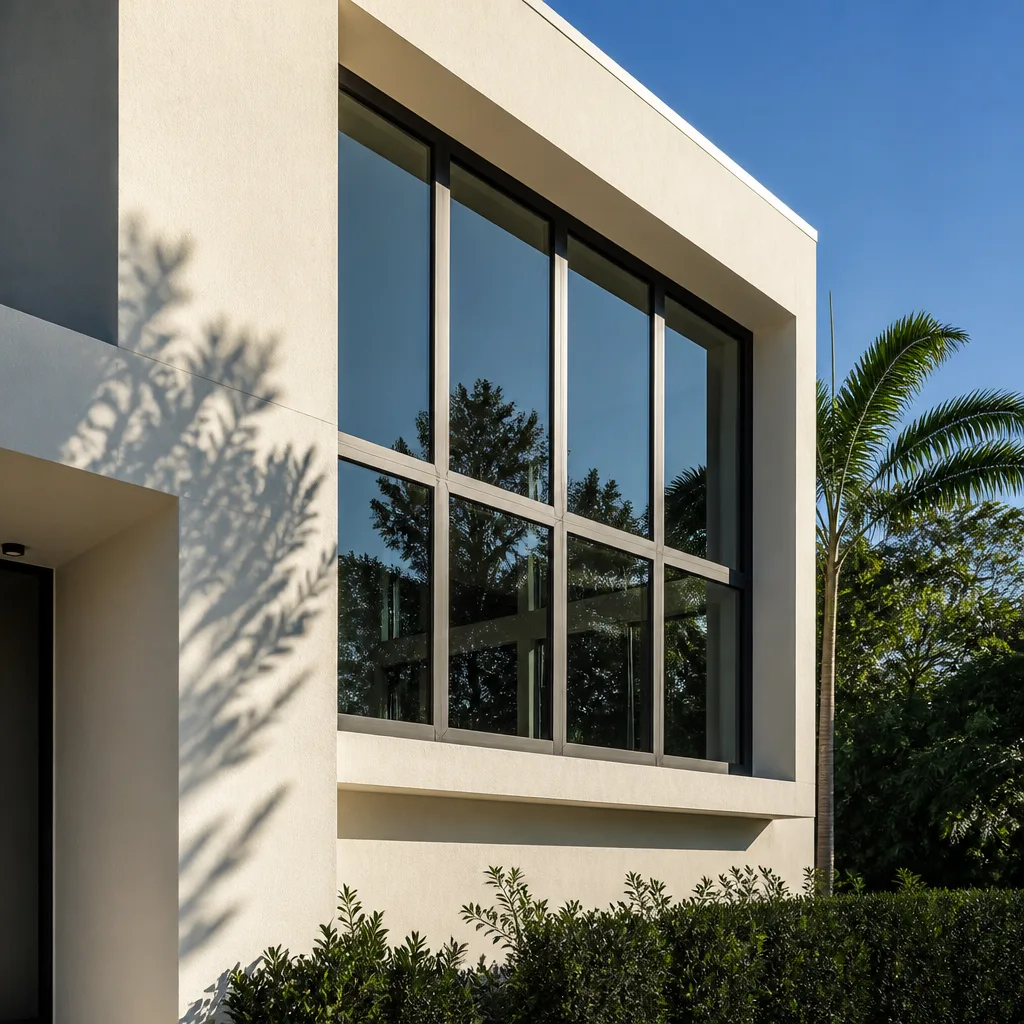
April and May in Jupiter bring the last reliable dry weeks before the tropical humidity builds. This is the window to test rather than merely look. We’ve developed a five-point protocol based on what fails first when a named storm arrives.
- Locking mechanism torque test: Close and lock every window and door. Apply firm but not excessive pressure to the handle. It should engage all locking points with uniform resistance. If any point feels loose, spongy, or requires extra rotation, the mechanism needs adjustment or replacement. For multi-point systems on sliding glass doors, verify that the deadbolt throws fully into the keeper without drag.
- Weatherstrip compression check: Close a door or sash on a single sheet of standard printer paper. Pull the paper with the door closed. It should resist with noticeable friction; if it slides freely, the weatherstrip has compressed beyond its design recovery and no longer seals. Jupiter’s UV exposure hardens EPDM rubber weatherstrip faster than northern climates, so replacement every 4 to 6 years is typical for south-facing openings.
- Glazing compound adhesion: On older units with putty or tape glazing, press the edge of a plastic putty knife against the glazing bead or compound. It should not indent or lift. Any movement indicates the adhesive bond has failed, and wind pressure will drive water behind the lite. For impact-rated laminated glass, examine the edge seal for delamination, visible as a milky or cloudy line at the glass perimeter.
- Frame anchor inspection: Remove interior trim where accessible and verify that frame screws are seated in structural framing, not just sheathing. In Jupiter, where wind loads are rated to 170 mph in the High-Velocity Hurricane Zone, anchors must penetrate the structural member by at least one inch. We find retrofitted installations where screws missed studs by half an inch; the frame holds until it doesn’t.
- Drainage path verification: Pour a cup of water into the sill track. It should exit through weep holes within 30 seconds. If it pools, the path is blocked or the sill is out of level.
Document each test with dated photos. Insurance adjusters after Hurricane Ian and Nicole requested this documentation specifically. The Haven Standard requires we provide the measured survey and photo record to every customer; your own maintenance log extends that evidence chain.
Post-Storm Protocol: The 24-Hour Assessment Window
The first 24 hours after a named storm passes are critical for documentation. Debris cleanup, well-meaning neighbors, and drying winds all obscure evidence of frame movement, seal compromise, or glazing damage that existed immediately post-storm.
We developed this protocol after assessing hundreds of Jupiter properties following Hurricanes Matthew (2016), Irma (2017), and Nicole (2022). Follow it in order; do not skip steps.
- Photograph before touching anything. Walk the exterior with your phone, capturing every opening from oblique angles that show frame-to-wall interfaces. Date-stamp or use a timestamp camera app. These establish baseline condition before any cleanup alters the scene.
- Test impact glazing for delamination. Impact-rated laminated glass can appear intact while the interlayer has separated from one lite. Look for milky discoloration at edges, a “fog” that doesn’t wipe off, or a visible line where the interlayer has pulled away. Tap the glass; delaminated areas produce a dull thud rather than a sharp ring. Mark any suspect lites with painter’s tape and photograph.
- Check frame anchors for movement. Open each window and door fully, then close it. Resistance, binding, or a frame that has shifted in its rough opening indicates anchor failure. Look for fresh cracks in interior drywall at frame corners, or exterior caulk lines that have pulled away from one surface. These are movement signatures.
- Inspect weatherstrip for displacement or compression set. Storm pressure can permanently compress weatherstrip or blow it out of its groove. Replace any strip that no longer springs back to original thickness.
- Document water intrusion paths. If water entered, trace the path: was it through the frame joint, around the glazing, past the weatherstrip, or through the wall assembly itself? Different paths indicate different failures. Photograph the trail before it dries.
File this documentation with your insurance carrier within 72 hours, even if you don’t yet know whether damage warrants a claim. The evidence degrades; the claim window does not.
For Jupiter homeowners with impact-rated window and door installations from Sightline, our post-storm assessment visits include the documented photo record as standard, not as an upsell. Haven Clause 4: Evidence on every job.
Dry Season (December-May): UV, Oxidation, and Seal Recovery

Jupiter’s dry season brings lower humidity but higher cumulative UV exposure than most of the eastern United States. December through February averages 6.5 to 7.5 peak sun hours daily, with the sun angle low enough to strike south and west elevations directly through leafless tree canopies. This combination drives two distinct maintenance needs.
Anodized Aluminum Frame Oxidation
Anodized aluminum, common on premium window and door frames from manufacturers like CWS and ES Windows, forms a hard oxide layer that protects against corrosion. UV and salt together degrade this layer, producing a chalky white residue that wipes off but returns. The critical distinction: chalking that wipes away with a dry cloth is surface oxidation and manageable. Chalking that persists, or pitting that you can catch with a fingernail, indicates the anodic coating has failed and the base aluminum is exposed.
DIY cleaning is appropriate for surface oxidation only. Use a solution of mild dish soap and warm water, applied with a soft sponge, rinsed thoroughly, and dried immediately. Never use:
- Ammonia-based glass cleaners on frames (they accelerate anodic coating breakdown)
- Abrasive pads or powders (they remove the protective layer entirely)
- Acidic solutions including vinegar (they etch aluminum)
Professional frame restoration, involving re-anodizing or powder coating, becomes necessary when pitting is present. In Jupiter, we schedule this work January through March, when humidity is lowest and coating cure times are most predictable. Door installations with anodized frames typically show oxidation first on the bottom rail, where splash and salt accumulate.
Vinyl Frame Recovery
Vinyl frames expand in heat and contract in cool. Jupiter’s dry season temperature swings, 45°F mornings to 75°F afternoons in January, stress weld joints and corner gaskets. Inspect vinyl frames for separation at welded corners and for gasket extrusion from groove channels. Both are pre-failure conditions that worsen when wet season humidity returns and thermal cycling intensifies.
Seal Lubrication and Conditioning
Silicone weatherstrip lubricant, applied sparingly to door seals in December, prevents the hardening that makes seals noisy and ineffective by June. One light application lasts the season. Over-application attracts dust and creates a grinding paste; a thin film is correct.
Why Jupiter’s No-Freeze Winter Damages Threshold Seals Differently
Northern climate advice warns of threshold seal damage from freeze-thaw cycles: water enters, freezes, expands, cracks the seal. Jupiter has no freeze-thaw. What we have is the opposite problem, and it is equally destructive.
From December through February, Jupiter’s dry air and temperature swings cause threshold seals to contract and harden. The seal gap that measures 1/8 inch on a 50°F morning may close to nothing by afternoon, so the homeowner perceives no problem. But the hardened seal no longer conforms to minor irregularities in the threshold profile. By July, when humidity swells the seal back to apparent contact, the material has lost its elastic recovery. A gap invisible to casual inspection passes wind-driven rain directly into the subfloor.
We find this failure pattern consistently in Jupiter homes built 2015 to 2020, where builder-grade vinyl thresholds were specified. The seal material is correct for the price point but not for the climate cycle. The test is simple: on a cool morning, slide a flashlight beam across the threshold interior while a partner observes from outside. Any visible light indicates a gap that water will find.
Replacement with a silicone-based bulb seal, or upgrade to a composite threshold with integral drainage, solves the problem permanently. We specify Therma-Tru and ViewLux door systems with these features for Jupiter’s coastal exposure. The upgrade cost, detailed in our Windows & Doors Cost Breakdown: The Jupiter Homeowner’s Reference for 2026, is typically $180 to $340 for threshold replacement on a standard 36-inch entry door and is recoverable in prevented water damage within two wet seasons.
The key insight: in Jupiter, inspect thresholds when they seem fine, not when they leak. The damage is done by the time water appears inside.
The Jupiter Seasonal Maintenance Log: Documentation for Insurance
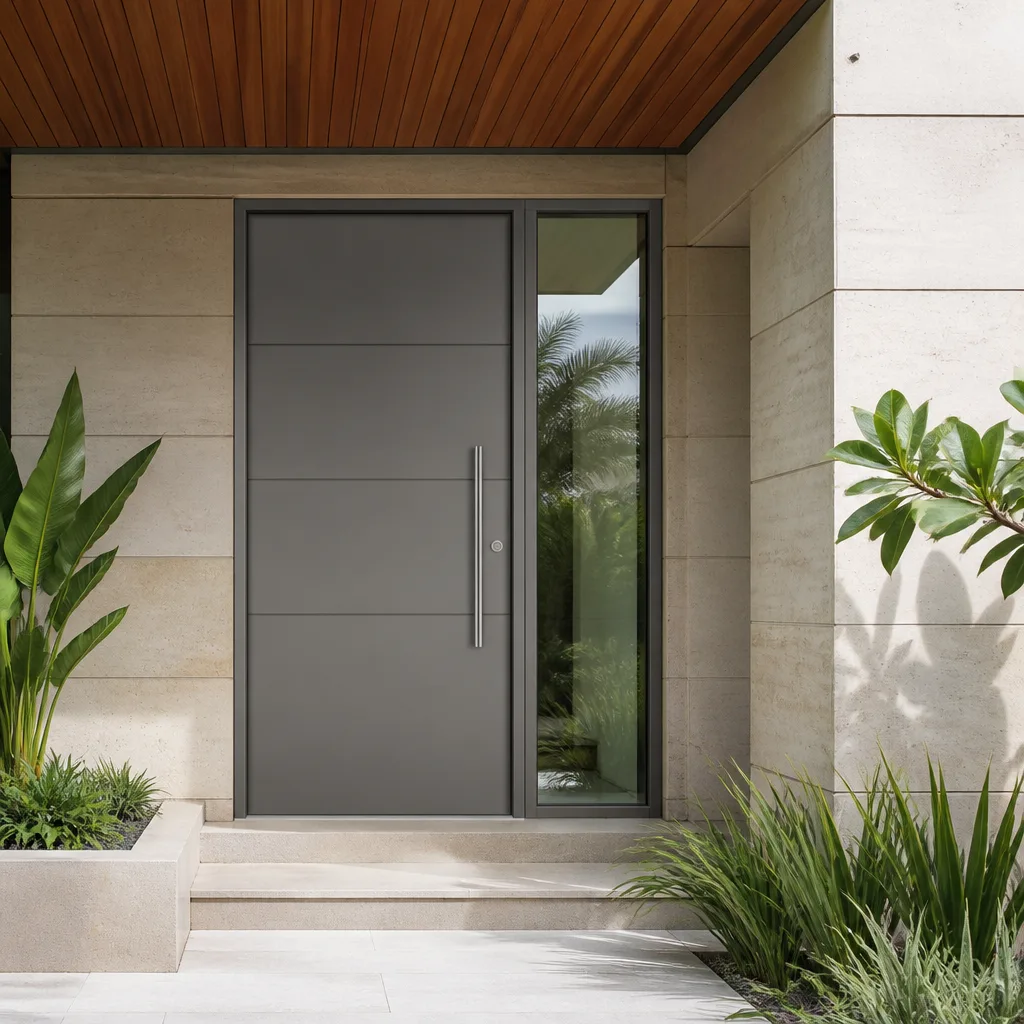
Insurance carriers serving Palm Beach County have tightened claim documentation requirements since 2022. A verbal report of pre-storm condition no longer suffices; adjusters want dated evidence of maintenance. We’ve designed a two-page log template that Jupiter homeowners can print, complete, and file with their policy documents.
Page One: Opening Inventory
- Property address and policy number
- Opening inventory: count and type of windows and doors, manufacturer and model if known, installation date
- Baseline photo attachment points: one exterior elevation photo per facade, dated
Page Two: Seasonal Inspection Record
Four entries per year, pre-printed with these fields:
- Inspection date
- Inspector (homeowner or professional; if professional, license number)
- Condition rating per opening: 1 (no action), 2 (monitor), 3 (repair within 30 days), 4 (immediate attention)
- Specific findings: torque test pass/fail, weatherstrip compression measurement, weep hole status, glazing condition, threshold gap measurement
- Photo reference numbers
- Signature
Completed logs demonstrate due diligence that supports claim validity. They also identify deterioration trends before failure. A lock that rated 1 in April and 2 in July is telling you something; without the log, the progression is invisible.
Sightline customers receive a digital version of this log, pre-populated with their opening specifications from the measured survey. Haven Clause 1: Have it in writing.
Product-Specific Care by Manufacturer Line
Our eight manufacturer lines each have maintenance characteristics relevant to Jupiter’s climate. We specify by what the opening requires, not by what is in stock.
PGT WinGuard and CGI Estate Collections: Both use laminated impact glass with SentryGlas or PVB interlayers. The edge seal is the vulnerable point; inspect annually for delamination initiation. Hardware is 316 stainless steel or zinc-aluminum, appropriate for coastal exposure but not maintenance-free. Torque test the multi-point locks every 90 days within 1,500 feet of salt water.
CWS and ES Windows: Aluminum frame systems with thermal breaks, popular for their sightline profiles. The thermal break material, polyamide, degrades with UV exposure over 15 to 20 years. Inspect for frame bowing or glass stress patterns that indicate break failure. Anodized finishes require the cleaning protocol described above.
ECO Window Systems: Vinyl frame products with co-extruded color cap. The color layer is thin; abrasive cleaning removes it. Use only soft sponges and mild detergent. Weld corners are the failure point; inspect with a straightedge for deviation from flat.
Mr-Glass and ViewLux: Specialty and custom geometric products. The irregular shapes create stress concentrations at frame corners that standard products don’t experience. Inspect these openings more frequently, every 60 days during wet season.
Therma-Tru: Entry door systems where the threshold and sweep configuration is critical. The adjustable threshold on Therma-Tru Classic-Craft and Fiber-Classic lines allows fine-tuning as seals compress; most homeowners don’t know the adjustment screw exists. We demonstrate this at every installation.
Common Mistakes to Avoid
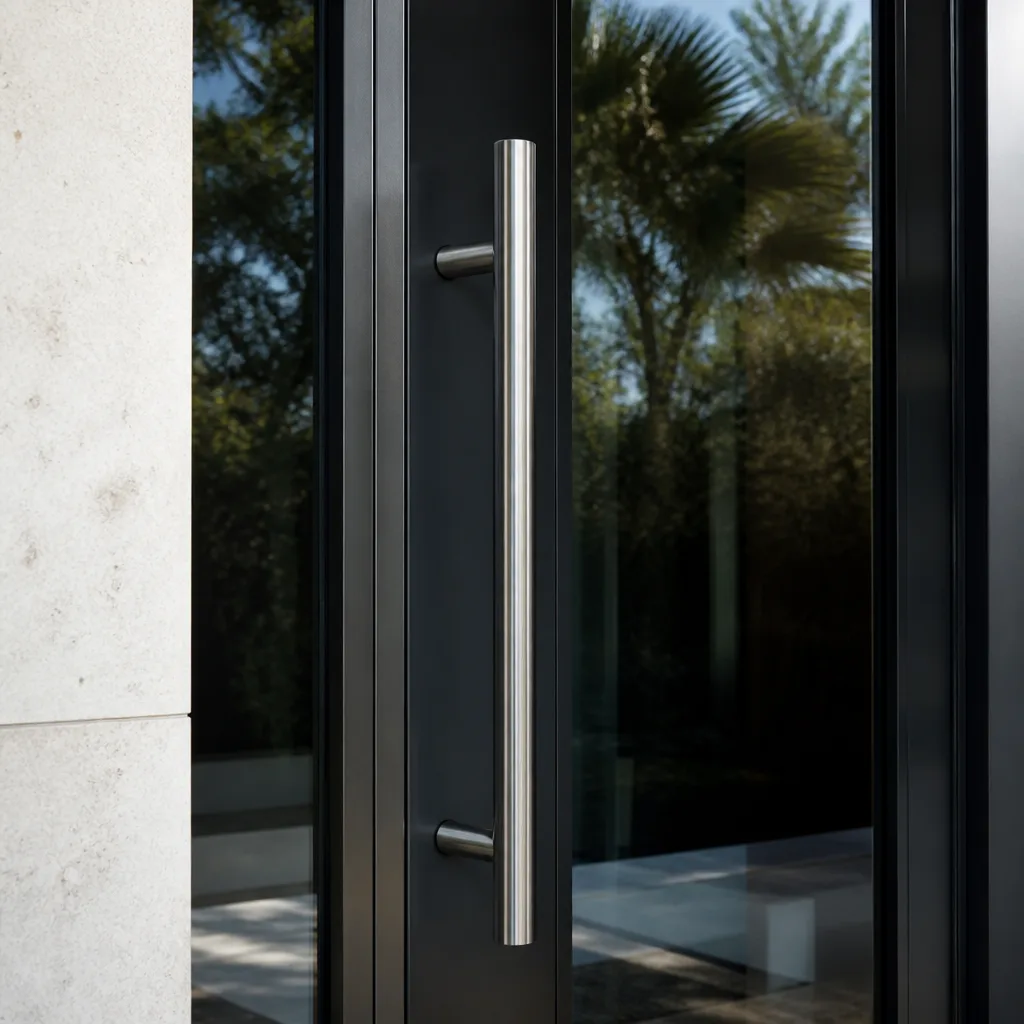
- Using ammonia-based cleaners on anodized aluminum frames. Windex and similar products accelerate anodic coating breakdown, converting a 30-year finish into a 10-year problem. The damage is cumulative and irreversible.
- Pressure-washing window and door frames. High-pressure water drives moisture into weep holes faster than they drain, and can force water past weatherstrip into wall cavities. Low-pressure rinse only, directed downward, never at window edges.
- Ignoring the 90-day interval for coastal properties. We’ve replaced locking mechanisms in Jupiter Inlet Colony that failed within 18 months of installation because the homeowner followed an annual maintenance calendar written for Ohio. Salt doesn’t wait.
- Applying silicone spray to locking mechanisms. It lubricates initially but attracts airborne salt and dust, creating an abrasive paste. Use dry Teflon lubricant on window and door hardware only.
- Failing to document pre-storm condition. After Hurricane Nicole, we saw claims denied for water damage where the homeowner could not prove the opening was sound before the storm. Photos with timestamps are evidence; memory is not.
- Assuming impact-rated means maintenance-free. Impact glass resists debris; it does not resist seal degradation, hardware corrosion, or frame movement. The rating is about wind-borne missile impact, not time.
- Waiting for visible water intrusion to inspect thresholds. By the time water appears inside, subfloor damage is underway. The correct trigger is calendar-based inspection, not symptom-based reaction.
When to Call a Professional
Some conditions exceed homeowner maintenance scope. Call a licensed window and door contractor when you find: delamination in impact glazing, frame anchor movement or frame separation from rough opening, threshold gaps exceeding 3/16 inch, or any locking mechanism that cannot be cycled smoothly with one hand. These are safety and security issues, not cosmetic concerns.
For second opinions on competitor estimates, we review written quotes at no charge. Our measured survey produces a document you keep, and the written price before any work starts is Haven Clause 1. Sightline Windows & Doors Jupiter offers free estimates in Jupiter - call (772) 362-5402.
Frequently Asked Questions
Annual professional maintenance for a typical 2,500-square-foot Jupiter home with 15 to 20 openings runs $280 to $450, including hardware torque testing, weatherstrip assessment, weep hole clearing, and documented photo record. Threshold replacement, if needed, adds $180 to $340 per door. Call (772) 362-5402 for an exact quote - estimates are free.
Every 90 days if your home is within 1,500 feet of salt water, which includes most of Jupiter east of US-1. Inland properties in neighborhoods like Jupiter Farms or Abacoa can extend to 180 days. The pre-hurricane audit in April-May and post-storm inspection within 24 hours of any named storm are non-negotiable for all locations.
At Sightline, no. The written quote from our measured survey is the final invoice. Haven Clause 1 governs every engagement since 2012. If we find concealed damage during service, we document it, stop work, and provide a revised written scope before proceeding. No surprises.
Routine maintenance - cleaning, lubrication, weatherstrip replacement, hardware adjustment - does not require permitting in Jupiter or Palm Beach County. Replacement of the complete unit, or any modification to the rough opening or impact rating, does require a permit; see Windows & Doors Permits, Codes & Inspections in FL: What You Need to Know. We pull all required permits as standard on installation work; the permit number and inspection record are included in your documentation package.
Replacement of a standard entry door threshold seal takes 45 to 90 minutes for a pre-hung door with accessible fasteners. Custom or oversized doors, or units with integrated adjustable thresholds, may require 2 to 3 hours including adjustment and testing. We schedule this work January through March for optimal material performance.
No. Vinyl tolerates mild detergent and water; anodized aluminum requires the same but will degrade with ammonia, acids, or abrasives. If your home has mixed frame materials, maintain separate supplies and label them. We’ve restored frames where the wrong product converted a simple cleaning into a refinishing project.
The Bottom Line
Jupiter’s climate demands a two-cycle maintenance calendar, not four. The salt-laden wet season with hurricane exposure and the UV-intense dry season each present distinct risks to windows and doors. Test hardware torque, weatherstrip compression, and glazing adhesion before June. Document everything photographically within 24 hours of any storm. Inspect thresholds when they seem fine, not when they leak. Use the right products for your frame material. And keep a written log that your insurance carrier can read. The 18,000+ openings we’ve installed since 2012 have taught us that prevention is documented, not assumed.
Written by Sonia Raman, Owner at Sightline Windows & Doors Jupiter, serving Jupiter since 2012.