
Last updated September 24, 2026
Free in-home measure and quote - PGT, CGI and CWS impact lines compared on your actual openings, style by style
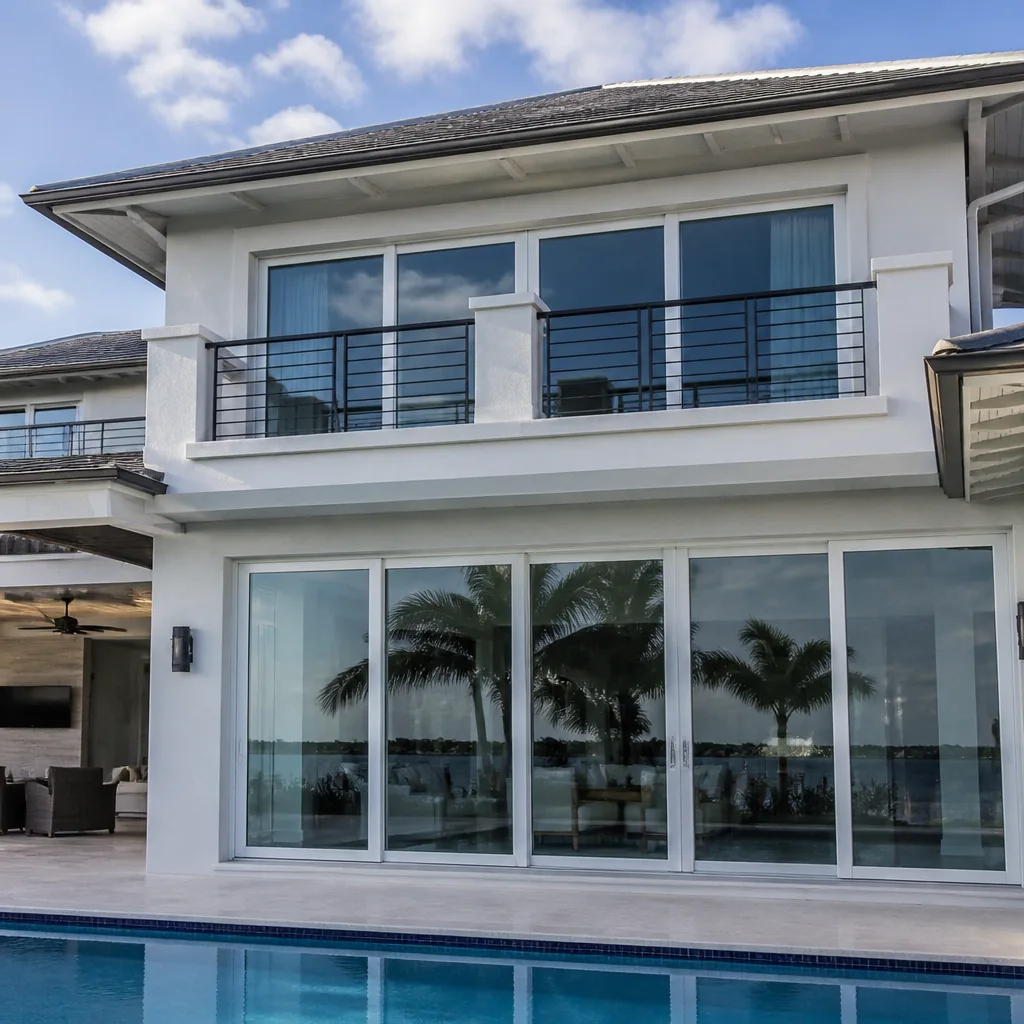
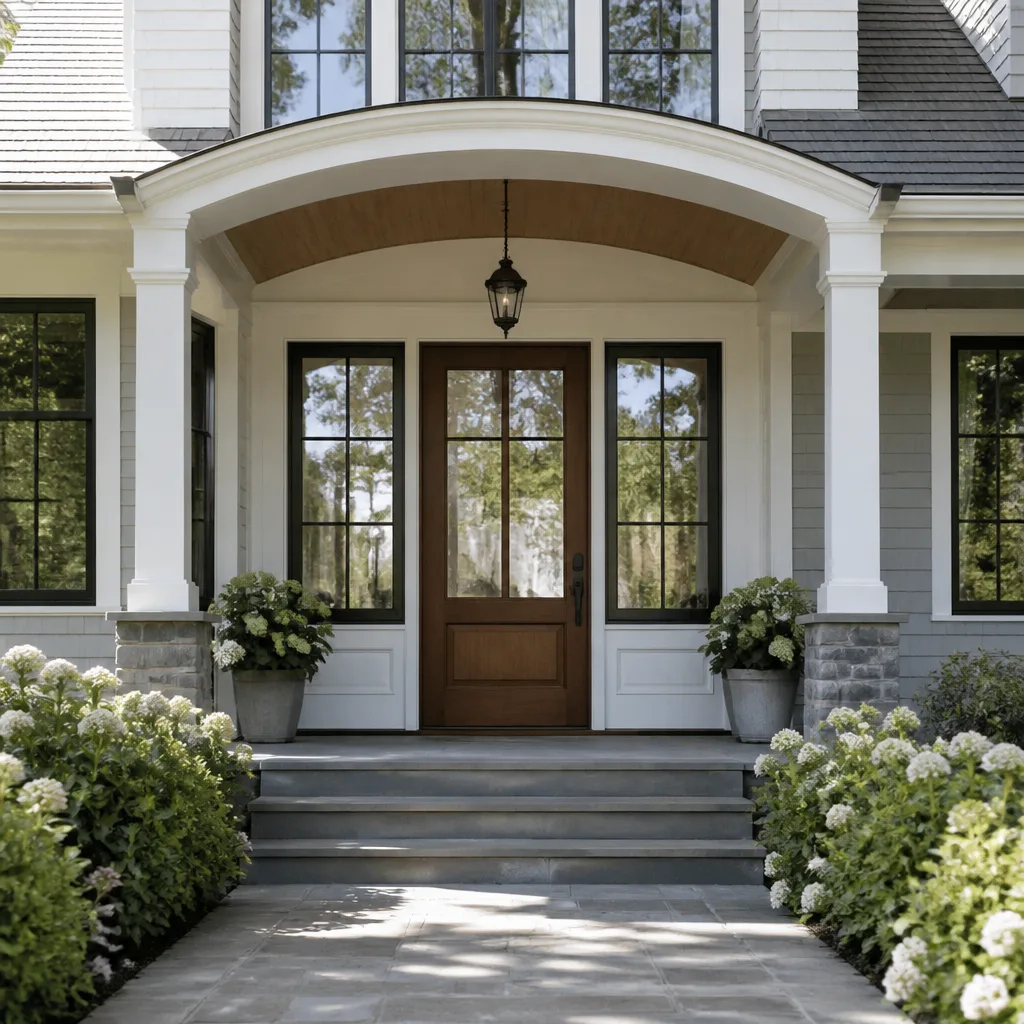
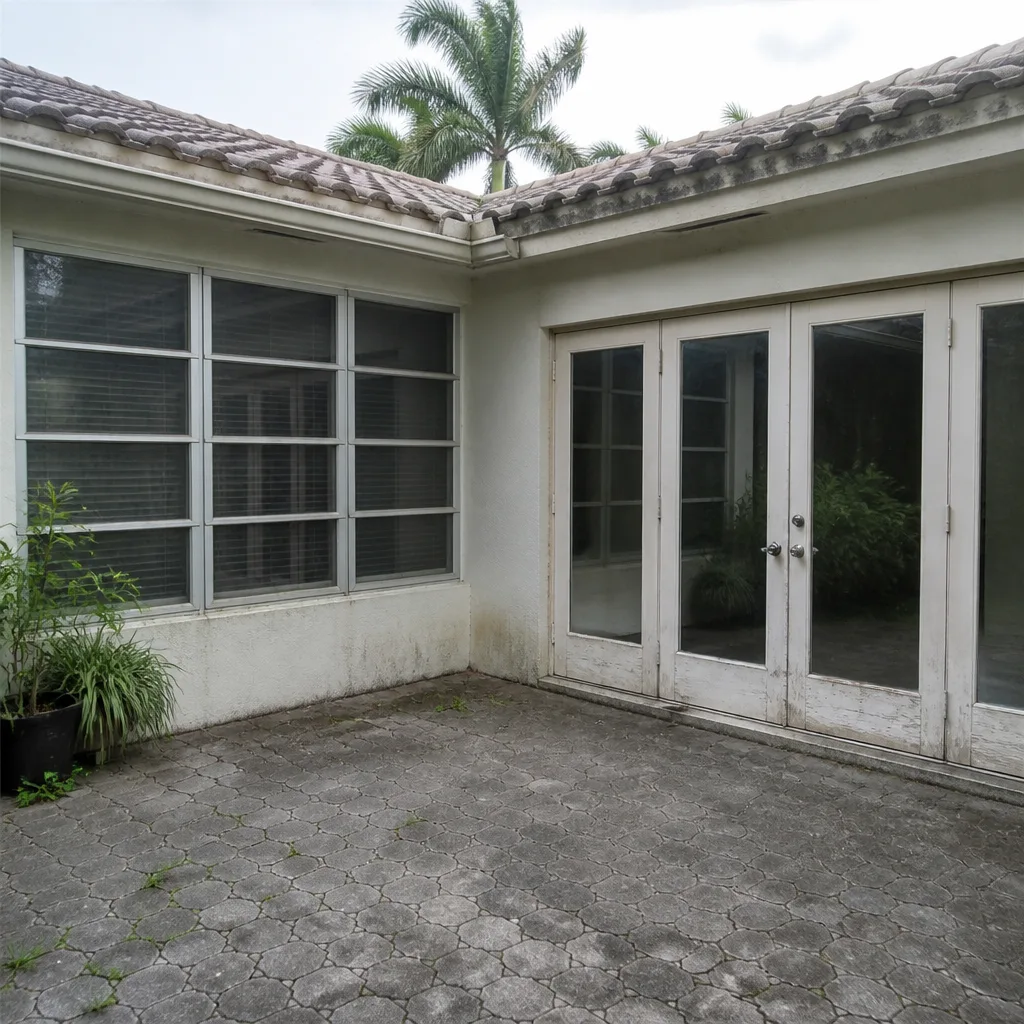 Before
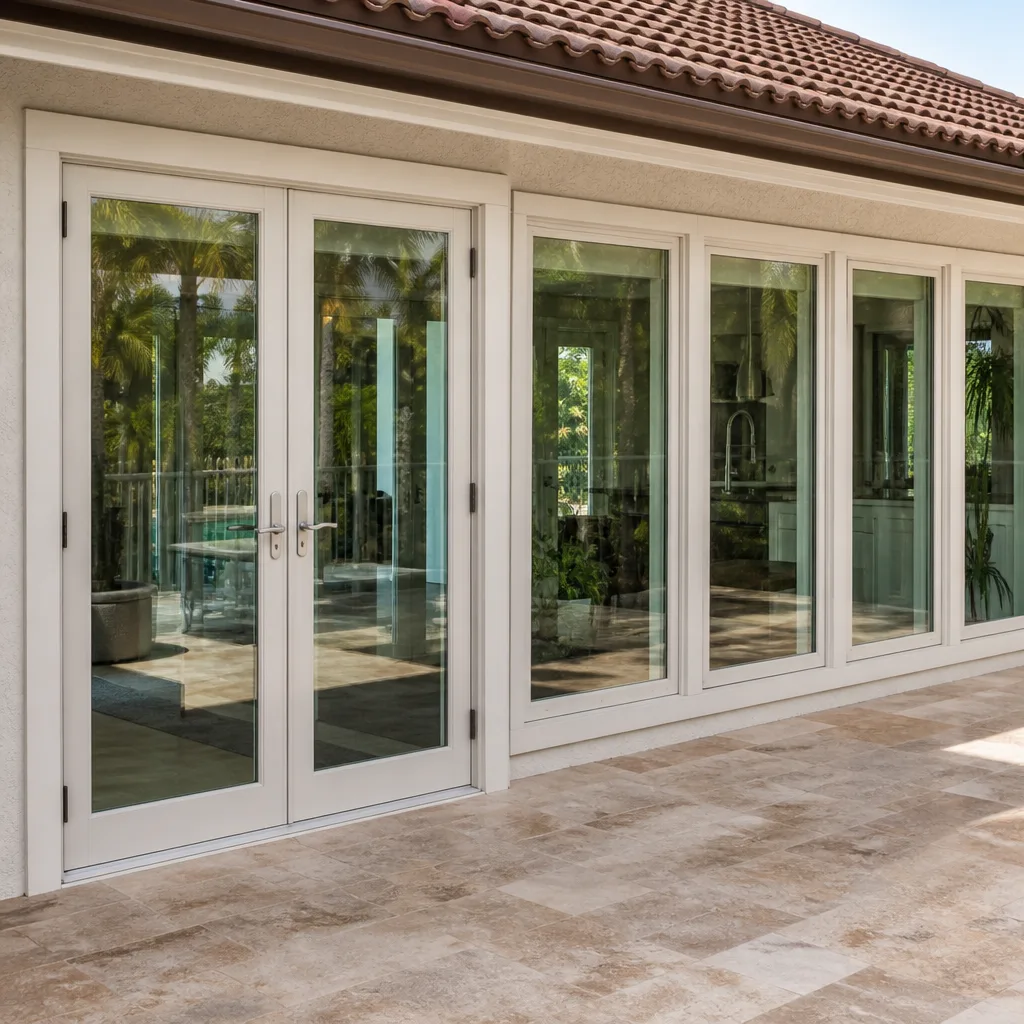 After
After Before
 After
After Before
 After
AfterDIY vs Professional Windows & Doors: The Jupiter Homeowner’s Decision Guide
Florida allows homeowners to pull an owner-builder permit for their own residence, but doing so requires signing a disclosure that the work may not be covered by a homeowner’s insurance policy during construction - a clause that applies to the entire structure, not just the window being replaced. In Jupiter, where impact-rated glazing is code-required and every opening must carry a Notice of Acceptance (NOA) tied to a certified installer, this insurance trigger is where the DIY conversation actually starts. This guide maps the legal and financial boundaries of owner-builder permits in Palm Beach County, the technical tasks that are genuinely owner-accessible, and the narrow category where partial DIY still makes sense under local code.
Quick Answer
Most Jupiter homeowners cannot legally complete a full window or door installation themselves without accepting significant insurance and resale consequences, which is why our How to Hire a Windows & Doors Contractor in Jupiter: A Step-by-Step Guide walks through finding qualified help. Florida’s owner-builder permit requires a signed disclosure that voids standard homeowner’s coverage during construction, and impact-rated product warranties from manufacturers like CWS and ES Windows are voided unless installation is performed by a certified contractor. Partial DIY - interior trim, hardware swaps, screen fabrication - remains viable under Palm Beach County code, but the structural, sealed, and inspected work requires a licensed professional to preserve both warranty and insurability.
Table of Contents
- Florida’s Owner-Builder Permit Law: What the Disclosure Actually Says
- The Insurance Trigger Most DIY Guides Ignore
- What Is Actually Owner-Accessible in a Jupiter Installation
- How DIY Voids Your Impact Window Warranty
- Real Cost Comparison: DIY vs Licensed Contractor in Jupiter
- Where Partial DIY Still Makes Sense
- Common Mistakes to Avoid
- When to Call a Professional
- Frequently Asked Questions
 Before
 After
AfterFlorida’s Owner-Builder Permit Law: What the Disclosure Actually Says
Palm Beach County issues owner-builder permits under Florida Statute 489.103(7), which permits a homeowner to act as their own contractor on their primary residence. The statute is straightforward on paper. The disclosure form attached to it is not.
The document, signed under oath, contains this clause: “I understand that as an owner-builder, I may not be covered by my homeowner’s insurance policy for claims arising from the construction.” This applies to the entire structure during the permit period, not merely the window or door being replaced. A kitchen fire, a plumbing leak, storm damage - any claim can be denied if the insurer determines the owner-builder status increased risk or if the policy contains a standard exclusion for construction-period liability.
The disclosure also requires the owner to acknowledge that workers on the project are not covered by the contractor’s workers’ compensation policy. In Jupiter, where many homes are two-story structures with elevated openings facing the Loxahatchee River or the Atlantic, this means a fall injury on your property becomes a personal liability exposure with no policy buffer.
Finally, the owner-builder permit creates a permanent record. When the property sells, the disclosure appears in the permit history. Buyers’ insurers and lenders may request documentation that all work passed inspection. Failed or abandoned permits require formal closure by a licensed contractor, at cost, before clear title transfer.
We’ve reviewed hundreds of Jupiter permit files at the Palm Beach County Construction Licensing office. The owner-builder permits that close cleanly are rare. Most require intervention.
The Insurance Trigger Most DIY Guides Ignore
The insurance issue operates in two phases: during construction, and at resale.
During construction: Standard HO-3 and HO-5 policies in Florida contain exclusions for “increase of hazard by insured.” An owner-builder permit is prima facie evidence of increased hazard. We’ve spoken with Jupiter-area insurance agents who confirm that claims during active owner-builder permits are routinely investigated for this exclusion. The outcome depends on the adjuster, the carrier, and the specific policy language. The risk is not theoretical.
At resale: Jupiter properties in neighborhoods like Abacoa, Admirals Cove, and the Bluffs trade at premiums where buyers conduct thorough due diligence. A permit history showing owner-builder work without proper inspection sign-off triggers requests for contractor correction letters, re-inspection fees, or price concessions. The $200 saved on permit fees can become a $2,000 closing cost or a lost buyer.
The disclosure also binds subsequent owners in certain interpretations. Florida courts have held that undisclosed owner-builder work can constitute a material defect in property disclosure, particularly where the work affected structural or weather-resistant components. Windows and doors are both.
What Is Actually Owner-Accessible in a Jupiter Installation
Not every task in a window or door replacement requires a license. Palm Beach County code draws the line at structural attachment, weather sealing, and final inspection sign-off. Before that line, there is genuine owner-accessible work.
Phase 1: Pre-installation prep
- Interior furniture relocation and wall protection - standard homeowner labor, no code implication.
- Removal of window treatments, hardware, and existing trim - owner-accessible, though care must be taken with lead paint in pre-1978 homes common in older Jupiter neighborhoods near the Inlet.
- Site access preparation: driveway clearing, ladder staging area, debris container placement - owner-managed, with attention to HOA requirements in gated communities like Jonathans Landing or Jupiter Country Club.
Phase 2: Material handling
- Unboxing and inspection for shipping damage - critical, and owner-performed with documentation. Photograph every unit before installation begins; this is evidence for manufacturer claims.
- Inventory of fasteners, shims, and sealants against the approved submittal - the Haven Standard requires this on every job, and owners can perform the same verification.
Phase 3: Post-installation finish work
- Interior trim installation where non-structural - discussed in detail below.
- Painting and caulking of interior surfaces - owner-performed, though paint warranty may require specific products.
- Debris removal and site restoration - owner-managed.
What is not owner-accessible: removal of the existing unit if it is part of the structural envelope, installation of the replacement unit, application of approved sealants and fasteners per the NOA, and the water-intrusion test required for final inspection. These tasks require a licensed contractor in Palm Beach County, and manufacturer certification for warranty preservation.
How DIY Voids Your Impact Window Warranty

Impact-rated windows in Jupiter must carry a Florida Product Approval or Miami-Dade NOA. These approvals are product-system specific: the glazing, the frame, the anchor, and the installation method are tested as an integrated assembly. Change any component or method, and the approval is void.
Manufacturer warranties follow the same logic. CWS, ES Windows, and ECO Window Systems all limit their limited warranties to installation by contractors certified in their specific installation programs. The language varies slightly:
- CWS requires installation by a “CWS Certified Installer” and documentation on their online registry.
- ES Windows voids glass breakage coverage if installation is not performed by an “ES Windows Authorized Dealer.”
- ECO Window Systems requires annual recertification of the installing contractor and reserves the right to inspect completed work before honoring claims.
The critical point: these are not workmanship warranties. They are product warranties, and they are conditional on installation by approved parties. A perfectly executed DIY installation - level, plumb, sealed, inspected - still voids the warranty if the installer lacks certification.
In Jupiter, where impact windows represent a significant capital investment and where the 2024 hurricane season demonstrated the financial exposure of unprotected openings, this warranty void is not a technicality. It is the difference between a covered replacement and a five-figure out-of-pocket loss after a named storm.
Mr-Glass, another line we specify, carries a similar restriction on their laminated impact products. The NOA explicitly references “installation by trained personnel” as a condition of the approval itself, not merely the warranty.
We’ve processed warranty claims for Jupiter homeowners who purchased windows online and installed them with local handyman assistance. The manufacturer response is consistent: no certification, no coverage. The homeowner’s recourse is against the handyman, who typically lacks the bonding to satisfy a judgment.
Real Cost Comparison: DIY vs Licensed Contractor in Jupiter
The following comparison uses 2026 Palm Beach County pricing for a representative project: replacement of ten vinyl-framed, impact-rated single-hung windows in a 2,200 square foot Jupiter home built between 1995 and 2010, with standard rectangular openings and no structural modification.
DIY Path - Owner-Builder Permit
- Material cost (mid-tier impact vinyl, online purchase): $4,800-$6,200
- Shipping to Jupiter (liftgate delivery): $380-$520
- Palm Beach County owner-builder permit fee: $185
- Inspection fees (rough and final): $110
- Tools and consumables (sealants, shims, fasteners, flashing): $340-$480
- Debris container rental: $280
- Insurance rider or accepted risk during construction: $0-$800
- Re-inspection fees (Jupiter failure rate on owner-builder window permits exceeds 40%): $0-$330
- DIY total: $6,095-$8,945
Licensed Contractor Path - Sightline Windows & Doors Jupiter
- All-in project cost (material, labor, permit, inspection, disposal): $7,400-$9,800
- Included: measured survey, written quote, manufacturer-certified installation, permit pulling, inspection scheduling, documented photo record, 365-Day Done Right Promise
- Included: warranty preservation on CWS, ES Windows, or ECO Window Systems products
- Included: insurance coverage maintained throughout project
- Contractor premium over DIY: $1,300-$855 (at midpoint, approximately 14%)
The narrow gap reflects competitive pressure in the Jupiter market and the efficiency of certified installers who complete the work in one day versus the typical DIY timeline of three to five weekends. The DIY path also carries unpriced risk: failed inspection requiring rework, warranty void, insurance claim denial, and resale disclosure complications.
We publish our written prices before any work starts, per Haven Clause 1. The quote you receive is the measured survey document, and the final invoice matches it. No change orders, no surprises.
Where Partial DIY Still Makes Sense
There is a narrow category of window and door work in Jupiter where owner labor is legally permissible, technically appropriate, and financially rational. The boundary is Palm Beach County’s definition of “cosmetic or non-structural” work.
Interior trim replacement
Existing windows with intact frames and functional seals can receive new interior casing, stool, and apron without permit. The work does not affect the structural envelope or the NOA. Use pre-finished materials rated for Florida humidity, and avoid disturbing the sealed joint between frame and rough opening. We’ve seen excellent owner work in Jupiter Farms and Tequesta homes where the trim was dated but the window performance was sound.
Hardware replacement on existing frames
Lock mechanisms, operators, and balances on existing windows are owner-serviceable. Order parts by manufacturer and series number; incompatible hardware can damage the frame or create security gaps. Keep documentation for the next owner.
Screen fabrication and replacement
Window and door screens are not part of the impact rating or the structural envelope. Owners can measure, order, and install replacement frames and mesh. In Jupiter, where pollen and salt air degrade screens rapidly, this is practical maintenance covered in our Seasonal Windows & Doors Care for Jupiter: Year-Round Homeowner’s Guide. We specify Phifer UltraVue or PetScreen by application, but standard fiberglass is widely available.
The line where each task stops:
- Interior trim becomes permit-required if you disturb the sealed frame-to-rough-opening joint or if the trim covers a nailing flange.
- Hardware replacement becomes permit-required if it requires frame modification or if the component is part of the impact-rated assembly (certain multi-point locks).
- Screen work becomes permit-required only if integrated into a retractable or motorized system tied to the structural frame.
When in doubt, Palm Beach County permits by phone at (772) 362-5402. The ten-minute call is cheaper than a correction notice.
Common Mistakes to Avoid
- Assuming online purchase equals permit eligibility. Palm Beach County requires Florida Product Approval or Miami-Dade NOA documentation at permit application. Many online sellers provide generic cut sheets that lack the specific approval number for the configuration purchased. Verify before ordering.
- Using national installation videos for Florida-specific assemblies. Impact-rated installation in Jupiter requires Florida Building Code sixth edition methods, including specific anchor patterns and sealant beads tested with the product. National content rarely addresses these requirements.
- Skipping the measured survey. Window openings in Jupiter homes, particularly those built during the 2004-2007 boom, vary significantly from nominal dimensions. Ordering by “standard size” produces gaps that compromise the installation. Our measured survey documents every opening to 1/16 inch; we recommend owners who proceed independently do the same.
- Neglecting the HOA architectural review. Jupiter communities including Abacoa, Mallory Creek, and The Shores have specific color and style requirements. Installation without approval triggers violation proceedings that can require removal at owner expense.
- Assuming passed inspection equals warranty coverage. Inspection verifies code compliance, not manufacturer certification. A county inspector will sign off on a properly installed non-certified product; the manufacturer will still void the warranty.
- Failing to document the pre-existing condition. Water intrusion, frame rot, or stucco damage behind the existing unit is not the installer’s responsibility unless documented before work begins. Photograph everything.
- Underestimating Jupiter’s wind-borne debris requirements. The northern Palm Beach County wind zone requires impact-rated products or approved shutters for all glazed openings. Non-impact replacement windows with shutters are permitted, but the shutter system must be rated and installed to the same standard. Partial compliance is non-compliance.
When to Call a Professional
Call a licensed, insured, and manufacturer-certified contractor when the work involves structural attachment, weather sealing, or final inspection - which is to say, for virtually every full window and door replacement in Jupiter. The exceptions are narrow: interior trim, hardware, and screens on intact existing units.
Specific scenarios that require professional engagement:
- Any impact-rated product installation, for warranty and NOA compliance
- Any opening modification, including enlargement, header reduction, or conversion to door
- Any installation in a flood zone requiring additional sill pan or drainage detail
- Any project where the owner-builder insurance disclosure is unacceptable
- Any home with pending sale or refinance where permit history must be clean
Sightline Windows & Doors Jupiter offers free estimates throughout Jupiter and northern Palm Beach County. Every estimate begins with a measured survey you keep, and the written quote is the same document that governs the installation. Call (772) 362-5402 to schedule yours.
Frequently Asked Questions
Yes, under Florida’s owner-builder statute, but you must sign a disclosure that may void your homeowner’s insurance coverage during construction and create a permanent record affecting resale. For most Jupiter homeowners, the legal and financial consequences exceed the labor savings.
A typical ten-window impact-rated replacement runs $7,400-$9,800 all-in with a licensed contractor, versus $6,100-$8,900 for DIY with owner-builder permit. The 14% contractor premium includes warranty preservation, insurance maintenance, and documented completion. Call (772) 362-5402 for a written quote on your specific openings - estimates are free.
Yes, for most impact-rated products specified in Jupiter. CWS, ES Windows, ECO Window Systems, and Mr-Glass all require certified installer status as a condition of their limited warranties. The warranty is void regardless of installation quality if the installer lacks manufacturer authorization.
You sign a disclosure stating that coverage may not apply during construction. Some insurers honor claims; others deny based on increased hazard exclusions. The risk applies to your entire structure, not just the window work. Verify with your carrier before permitting.
No, if the work is purely cosmetic and does not disturb the sealed joint between window frame and rough opening. Palm Beach County does not permit interior trim replacement on intact windows. Maintain documentation of the pre-existing condition for future sale.
Yes. Screens are not part of the impact rating or structural warranty. Measure the existing frame accurately, order compatible mesh and spline, and retain receipts. In Jupiter’s salt air, we recommend annual screen inspection as standard maintenance.
Request the certification documentation and verify it directly with the manufacturer. CWS maintains an online installer registry. ES Windows and ECO Window Systems confirm authorized dealers by phone. At Sightline, we provide this documentation with every written quote under Haven Clause 3 - Verified Crews.
You should receive: the final permit and inspection sign-off, the manufacturer’s warranty registration confirmation, a photo record of the completed work, and a written warranty from the installer. Under the Haven Standard, we provide all four on every job, plus the measured survey you kept from the estimate visit.
The Bottom Line
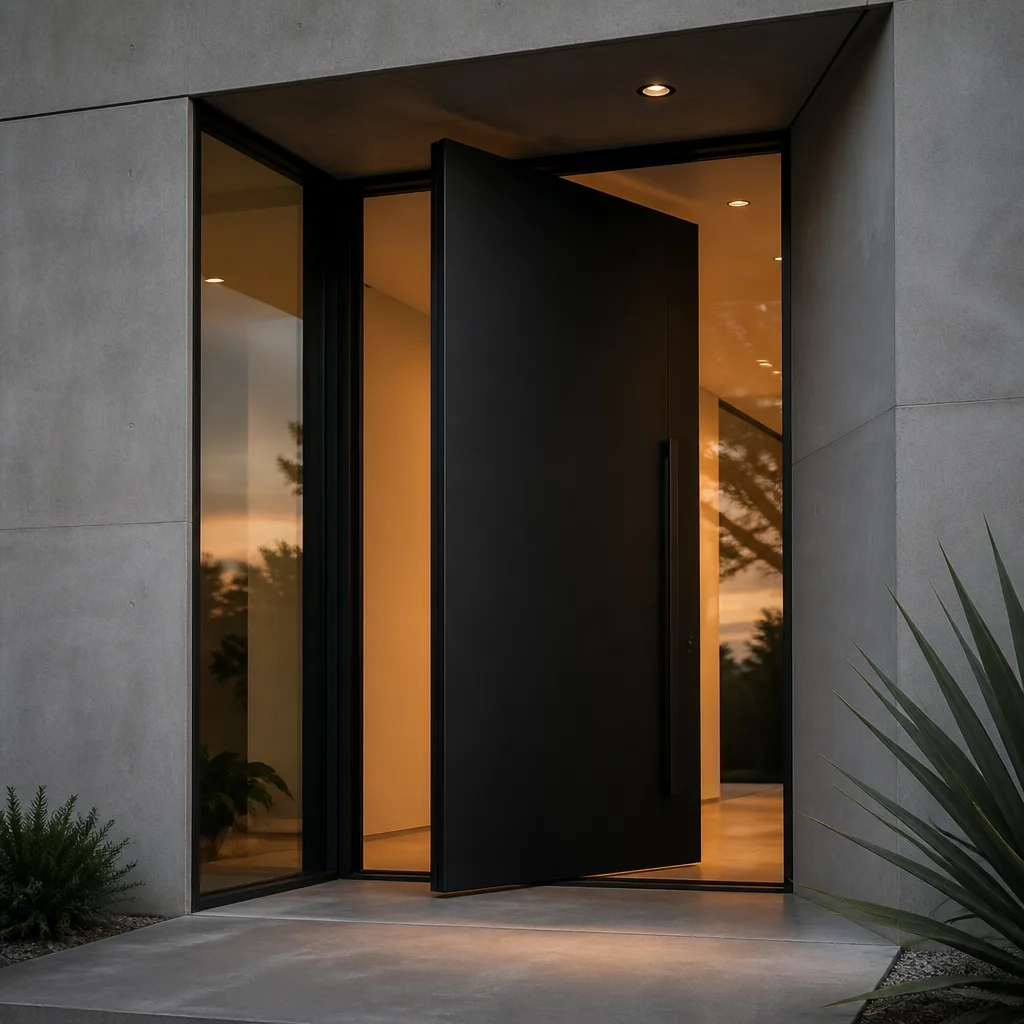
The DIY-versus-professional question in Jupiter is not primarily about skill, and you can find more guides & resources on our blog to help navigate it. It is about legal eligibility, insurance consequences, and warranty preservation. Florida’s owner-builder permit creates disclosures that most homeowners cannot accept; impact-rated product warranties require certifications that owners cannot hold; and Palm Beach County code draws the permit line at structural and sealed work that defines the installation’s performance. Partial DIY - trim, hardware, screens - remains viable and rational. For the structural work, the narrow cost gap between DIY and professional installation, measured against the risk of voided coverage and warranty, points toward licensed, certified, documented completion. The Haven Standard was built on this calculation: have it in writing, evidence on every job, and no surprises.
Written by Sonia Raman, Owner at Sightline Windows & Doors Jupiter, serving Jupiter since 2012.