
Last updated September 24, 2026
Free in-home measure and quote - PGT, CGI and CWS impact lines compared on your actual openings, style by style
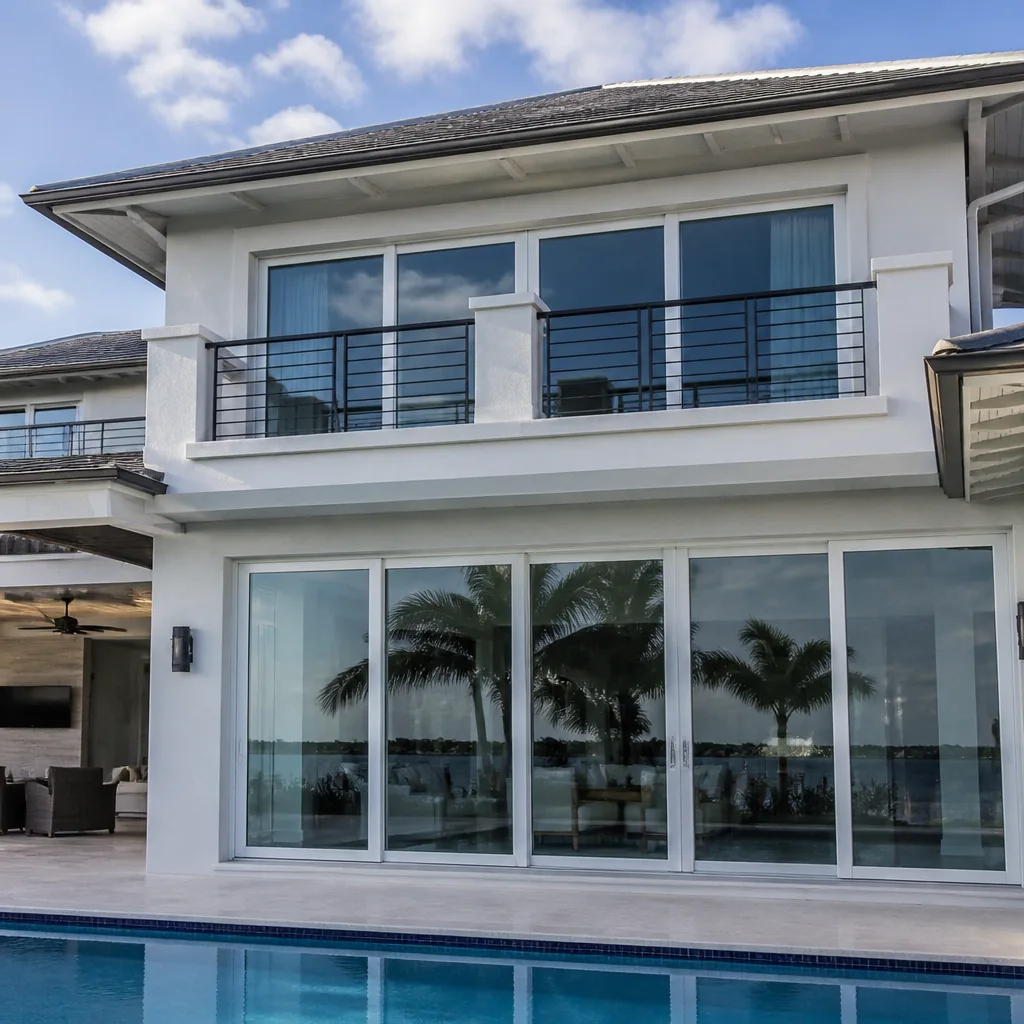

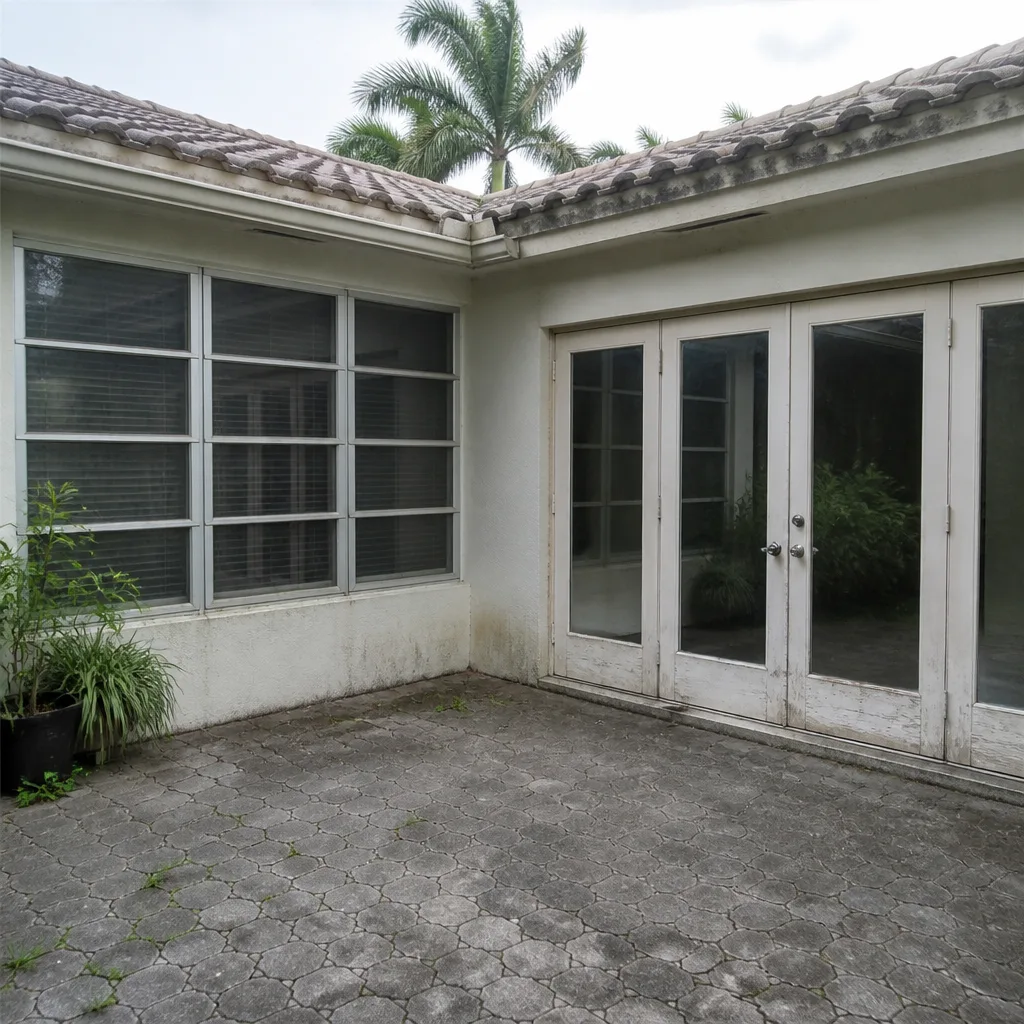 Before
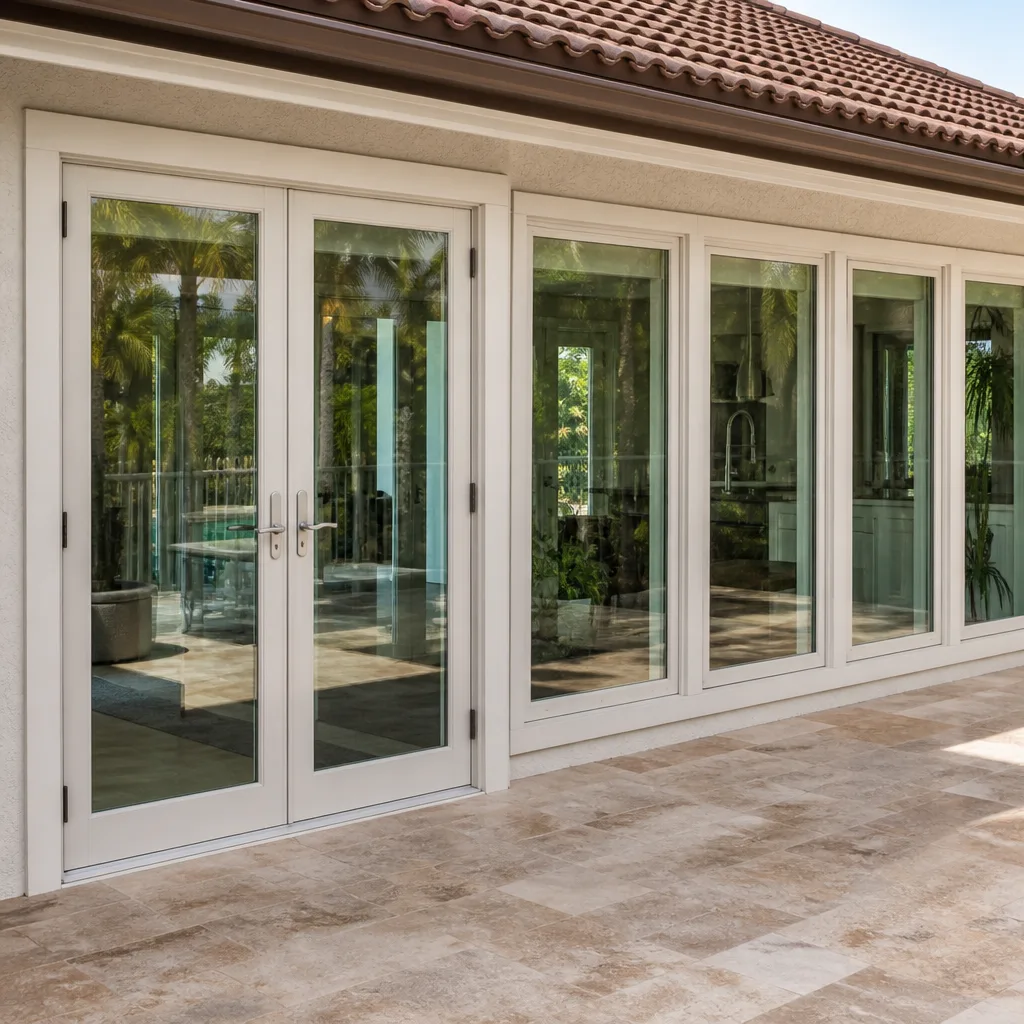 After
After Before
 After
After Before
 After
AfterWindow Installation Maintenance Checklist for Jupiter Homeowners
A window frame can show zero interior water staining and still have a compromised sill pan flashing. The failure that causes 70% of window-related wall rot happens behind the drywall, not at the glass, and in Jupiter’s subtropical climate that rot accelerates twelve months a year. This checklist is organized by calendar month, tied to Jupiter’s actual weather patterns, and lists observable pass/fail conditions - not vague advice about “inspecting caulking annually.”
By the end of this guide, you’ll know exactly what to photograph after each inspection, which lubricant survives salt air on coastal hardware, and which findings you can address yourself versus which require a licensed contractor and possibly a permit under Palm Beach County code, as covered in our guide to Windows & Doors Permits, Codes & Inspections in FL: What You Need to Know.
Quick Answer
Jupiter homeowners should perform window maintenance monthly during hurricane season (June-November) and quarterly during the dry season (December-April). Key tasks include: clearing weep holes of salt and debris, testing sash balance resistance, inspecting glazing bead seating, and photographing frame-to-rough-opening gaps for dated evidence. Salt-air exposure near the Loxahatchee River and Atlantic coast requires rinsing aluminum frames every 60 days and using silicone-based lubricant on hardware - petroleum lubricants attract sand and degrade in UV.
Table of Contents

- Why Jupiter’s Climate Changes the Maintenance Equation
- Month-by-Month Maintenance Schedule
- Specific Inspection Points with Pass/Fail Criteria
- Salt-Air Maintenance Requirements for Coastal Jupiter
- Photo Documentation Protocol for Insurance and Resale
- DIY vs. Contractor: What You Can Handle and What Requires a Permit
- Common Mistakes to Avoid
- When to Call a Professional
- Frequently Asked Questions
 Before
 After
AfterWhy Jupiter’s Climate Changes the Maintenance Equation
Jupiter sits at 26.9 degrees north latitude with average relative humidity above 74% year-round and salt-laden air from the Atlantic and Intracoastal Waterway. These conditions degrade window systems differently than inland Florida climates - or anywhere else in the continental United States.
The local rainfall pattern is distinctive: a pronounced wet season from May through October brings 60% of annual precipitation in concentrated afternoon thunderstorms, followed by a dry season with lower humidity but sustained UV exposure. Hurricane season overlaps the wet season, creating compound stress events where wind-driven rain tests every seal simultaneously.
We’ve measured the difference in our surveys. A window installed in Jupiter’s Abacoa neighborhood with western exposure and no overhang will accumulate 40% more UV-hours annually than an identical unit in Tequesta with eastern exposure and mature oak canopy. That UV degradation accelerates sealant polymerization - the chemical hardening that turns flexible caulk into a cracked surface shell.
The salt factor is equally specific. Homes within 1,000 feet of the Loxahatchee River, Jupiter Inlet, or the Atlantic experience chloride deposition rates that corrode anodized aluminum hardware in 3-5 years without maintenance. Inland Jupiter - say, near Indiantown Road and I-95 - sees roughly half that deposition rate. Your maintenance interval should reflect your actual microclimate, not a generic “Florida” recommendation.
Finally, Palm Beach County’s wind-borne debris requirements mean most Jupiter homes have impact-rated windows with laminated glass and reinforced frames. These systems have additional maintenance points - laminated interlayer edge exposure, heavier sash weights, and more complex weatherstripping - that standard maintenance guides for non-impact units omit entirely.
Month-by-Month Maintenance Schedule
This schedule aligns with Jupiter’s meteorological reality, not calendar convention. The pre-hurricane window (May) is your highest-leverage period - one hour of preventive work then prevents emergency calls in August, and scheduling our Window Installation services early ensures availability before peak season.
May: Pre-Hurricane Preparation
Complete all tasks before June 1, when named storm activity historically begins affecting South Florida.
- Remove and clean all window tracks of accumulated sand and organic debris - we find mangrove leaf litter in Jupiter Inlet area homes that blocks drainage paths.
- Test every operable sash for smooth travel from fully closed to fully open. Resistance exceeding 8 pounds of pull force indicates balance spring fatigue or track misalignment.
- Verify weep hole clearance using a pipe cleaner - pass criteria: water poured into the track drains visibly within 30 seconds.
- Inspect exterior sealant at head, jambs, and sill. Pass criteria: continuous bead, no surface cracking wider than 1/16 inch, no separation from substrate at either side.
- Photograph all sealant conditions with date stamp; store in cloud folder labeled “Window Maintenance 2024.”
- Confirm impact-rated window documentation is accessible for insurance - PGT, CGI, and Mr-Glass units in Jupiter should have AAMA or FBC compliance labels visible on the frame.
June-November: Post-Storm Inspection Protocol
After any tropical storm or hurricane watch, and after any severe thunderstorm with sustained winds above 40 mph:
- Visual inspection of exterior sealant for displacement or new gaps - wind-driven rain finds paths that static water does not.
- Operability test: if sash travel feels gritty, sand has entered the track system; flush with fresh water and dry before lubricating.
- Check interior sill and drywall corner for discoloration - but understand that absence of staining does not confirm seal integrity (see sill pan flashing discussion below).
- Document any changes with dated photographs; compare to May baseline.
December-April: Dry-Season Hardware and Frame Maintenance
Lower humidity creates optimal conditions for lubrication and minor adjustments.
- Rinse aluminum frames with fresh water - every 60 days for coastal properties, every 90 days for inland Jupiter.
- Apply silicone-based lubricant to all moving hardware: hinges, locks, operators, and rollers. Wipe excess; petroleum lubricants attract particulate and degrade in UV.
- Tighten visible fasteners with correct driver bit - over-torquing strips aluminum threads.
- Inspect insect screens for frame corrosion and mesh integrity; replace if frame corners show white aluminum oxide bloom.
- Test and adjust sash balance tension on double-hung units - weak balance causes sash drop, which accelerates weatherstripping wear.
Specific Inspection Points with Pass/Fail Criteria
Vague maintenance advice fails because homeowners cannot distinguish between cosmetic surface issues and functional failures. These are the pass/fail tests we perform during window installation in Jupiter quality checks - adapted for homeowner use.
Weep Hole Obstruction Test
Weep holes are the small drainage openings at the bottom of the window frame, designed to evacuate water that penetrates the primary seal. In Jupiter, they clog with salt crust, sand, and organic debris.
Pass: Water poured into the track (approximately one cup) drains visibly from the exterior weep hole within 30 seconds. No standing water remains after 2 minutes.
Fail: Water pools, drains slowly, or weep hole is visibly obstructed. Do not probe with metal wire - use a pipe cleaner or compressed air at low pressure. If obstruction persists after gentle clearing, the internal drainage path may be blocked by sealant from a previous repair; this requires professional evaluation.
Sash Balance Resistance Test
Double-hung and single-hung windows rely on balance mechanisms (springs, coils, or block-and-tackle systems) to counteract sash weight.
Pass: Sash stays at any position between fully open and fully closed without drift. Opening and closing requires smooth, consistent force - no catching, grinding, or sudden release.
Fail: Sash drops when released from raised position, requires excessive force to move, or exhibits uneven travel. Balance replacement is not a homeowner repair - the sash must be removed, and the balance system is under spring tension that can cause injury.
Frame-to-Rough-Opening Movement Check
This is the critical test that standard checklists omit. The window frame is shimmed and fastened to the rough opening during installation. Over time, structural settling, thermal cycling, or inadequate fastening allows movement.
Pass: Applying moderate hand pressure to the interior frame at corners produces no perceptible movement relative to the surrounding wall. Gap between frame and drywall is consistent width (typically 1/4 to 1/2 inch, covered by trim).
Fail: Frame shifts under pressure, gap width varies around perimeter, or trim shows nail pops or separation from frame. Movement indicates compromised fastening or structural issue - continued operation stresses the frame and breaks sealant adhesion. This finding always requires professional evaluation; in Jupiter’s high-wind environment, a loose frame is a potential projectile path during storm conditions.
Glazing Bead Seating Inspection
Glazing beads are the removable strips that retain the glass in the frame. In impact-rated units from manufacturers like PGT and CGI, proper bead seating is essential for design pressure rating.
Pass: Bead is fully seated in receptor groove with no visible gaps. Bead corners are tight miters with no separation. Snap-out beads require firm pressure to dislodge - they should not lift with fingernail pressure.
Fail: Bead protrudes from groove, corners gapped, or bead dislodges easily. Do not attempt to reseat glazing beads on impact-rated units - the glass edge and laminate must be inspected for damage, and improper reseating compromises the pressure rating.
Sealant Condition Assessment
Not all cracks indicate failure. Surface “alligatoring” (fine pattern cracking) in paint or thin sealant skin is cosmetic. Adhesive failure - separation from either substrate - is functional.
Pass: Sealant adheres firmly to both frame and wall substrate. Any surface cracking is superficial; probe with putty knife - if sealant remains bonded beneath thin crack, function is intact.
Fail: Sealant separates from frame or wall, peels away in strips, or shows through-cracking to substrate. In Jupiter, silicone sealants generally outlast polyurethane in UV exposure; we’ve observed 7-10 year service life for quality silicone on south-facing elevations versus 3-5 years for polyurethane.
Salt-Air Maintenance Requirements for Coastal Jupiter

Window maintenance guides written for national audiences fail Jupiter homeowners because they do not address chloride-induced corrosion, unlike our Windows & Doors Cost Breakdown: The Jupiter Homeowner’s Reference for 2026 which factors in these local realities. The difference between a window installed on Jupiter Island and one in Palm Beach Gardens - 8 miles inland - is substantial in maintenance requirements.
Aluminum Frame Rinse Protocol
Aluminum frames, including anodized and painted finishes, accumulate chloride deposits that initiate pitting corrosion. The anodized layer (typically 0.0002-0.001 inch thick) provides protection, but sustained chloride exposure breaches it.
For properties east of U.S. 1 or within 1,000 feet of navigable water: rinse frames with fresh water every 60 days using a gentle spray - not pressure washing, which can drive water past seals. For properties between U.S. 1 and I-95: every 90 days is generally sufficient. Properties west of I-95 may extend to 120 days unless adjacent to retention ponds or golf course water features.
Dry frames after rinsing; trapped moisture accelerates corrosion in crevices. Pay particular attention to the sill area and any horizontal surfaces where water pools.
Hardware Lubricant Selection
Petroleum-based lubricants (WD-40, 3-in-1 oil) degrade rapidly in Jupiter’s UV exposure and attract sand particles that accelerate wear. Silicone-based lubricants (dry film formulations) resist UV, do not attract particulate, and maintain function longer.
Apply sparingly to moving surfaces, then operate hardware through full range of motion to distribute. Wipe all exterior surfaces to prevent residue accumulation. For multi-point locking systems on door installation in Jupiter projects, we specify hardware with factory-applied dry lubricant - but annual reapplication maintains smooth operation.
Frame Re-Coating Schedule
Anodized aluminum does not require repainting but benefits from periodic cleaning to maintain appearance. Painted aluminum frames (Kynar 500 or equivalent fluoropolymer) typically maintain color and gloss for 15-20 years in Jupiter’s climate with proper maintenance.
Inspect painted frames annually for chalking (surface oxidation that rubs off as powder). Early chalking indicates UV degradation of the topcoat; address before substrate exposure. For frames showing chalking, professional cleaning and re-coating is indicated - this is not a homeowner painting project, as proper adhesion requires specific surface preparation and coating system.
Stainless Steel and Corrosion-Resistant Hardware
Coastal Jupiter properties should specify 316-grade stainless steel or equivalent corrosion-resistant hardware at installation. We’ve replaced hardware on 8-10 year old Jupiter installations where 304-grade stainless showed significant pitting near the Inlet. The material specification difference is invisible at installation but decisive at year seven.
Photo Documentation Protocol for Insurance and Resale
Every Sightline Windows & Doors Jupiter home project includes a documented photo record as standard - Haven Clause 4 (Evidence on Every Job). Homeowners should maintain equivalent documentation for maintenance activities.
The purpose is not aesthetic. Dated photographic evidence establishes pre-loss condition for insurance claims and demonstrates maintenance compliance for resale disclosures. In Florida’s disclosure environment, documented maintenance history affects both insurability and marketability; see more guides & resources for protecting your investment.
What to Photograph
- Wide shot of each window elevation, showing full frame and surrounding wall condition
- Close-up of head, jamb, and sill sealant condition
- Weep hole location and condition (use macro setting for clarity)
- Hardware type and condition, including any corrosion
- Interior sill and adjacent drywall corner
- Any observed anomaly, even if apparently minor
How to Store
Use date-stamped filenames: “2024-05-15_FrontBR_Window3_HeadSeal.jpg”. Store in cloud service with automatic backup (Google Drive, iCloud, Dropbox). Create folder structure by year, with subfolders by inspection date.
Maintain a simple log - spreadsheet or notebook - listing date, windows inspected, findings, and actions taken. This log becomes your maintenance history; attach to disclosure package at sale.
When Documentation Matters
Insurance claims after named storms: carriers increasingly deny water damage claims where pre-existing maintenance deficiency is alleged. Dated photos showing sealant condition before storm season support your position.
Resale in Jupiter’s active market: buyers and their inspectors scrutinize window condition. Documented maintenance history with photos differentiates your property and supports asking price.
DIY vs. Contractor: What You Can Handle and What Requires a Permit

This decision tree prevents the common error of attempting repairs that compromise safety, code compliance, or warranty coverage.
Homeowner-Appropriate Tasks
- Track cleaning and debris removal
- Weep hole clearing with pipe cleaner or compressed air
- Silicone lubricant application to accessible hardware
- Insect screen removal, cleaning, and replacement (if frame is intact)
- Interior and exterior glass cleaning with appropriate products
- Visual inspection and photography per protocol above
Tasks Requiring Licensed Contractor
- Sealant removal and replacement at frame-to-wall interface
- Balance spring or block-and-tackle replacement
- Glazing bead removal and reseating on impact-rated units
- Frame fastener inspection or reinforcement
- Sill pan flashing evaluation or repair
- Glass replacement, including laminated impact-rated units
Permit-Triggering Work in Jupiter
Palm Beach County requires permits for window replacement that changes size, type, or performance rating. Maintenance activities generally do not require permits, but the distinction matters:
Sealant replacement as maintenance: no permit. Sealant replacement as part of resolving water intrusion that requires interior drywall removal: permit may be triggered if structural repair is involved.
Hardware replacement on existing window: no permit. Sash replacement in existing frame: typically no permit if same size and type. Complete window replacement: permit required, with Florida Product Approval or Miami-Dade Notice of Acceptance documentation for impact-rated units.
We’ve encountered Jupiter homeowners who performed DIY sealant replacement with incompatible product (acrylic latex instead of silicone), creating adhesion failure that required complete removal and reapplication. The savings became additional cost. For window replacement in Jupiter, proper permitting and documentation protects your investment and ensures code compliance.
Common Mistakes to Avoid
- Using pressure washers on windows. The high-pressure stream drives water past weatherstripping and into the wall cavity. We’ve documented water damage in Jupiter homes where homeowners “cleaned” windows with 2,500 PSI equipment. Use gentle spray only.
- Applying petroleum lubricant to coastal hardware. WD-40 evaporates within weeks in Jupiter’s heat and leaves a residue that attracts sand. The abrasive paste that forms accelerates wear beyond no lubrication at all. Specify silicone dry film.
- Ignoring weep holes because “the window never leaks.” Weep holes are secondary drainage, not primary weatherproofing. Their obstruction indicates debris accumulation that will eventually affect primary seals. Test quarterly, not when water appears indoors.
- Assuming no interior staining means no problem. Sill pan flashing failures direct water into the wall cavity, not the interior space, until the damage is extensive. By the time interior staining appears, structural repair is likely required.
- Using interior caulk on exterior applications. Interior acrylic latex caulk fails within one season in Jupiter’s UV and moisture. Exterior sealant must be silicone or polyurethane formulated for window applications, with movement capability of +/- 25% or greater.
- Skipping documentation because “I’ll remember.” Memory is not evidence. Insurance adjusters and buyers’ attorneys work with documents. The 15 minutes to photograph and log saves hours of dispute later.
- Deferring maintenance until hurricane season begins. May preparation prevents August emergency. Contractors are overcommitted once watches are issued, and rush repairs compromise quality. The measured survey and written scope we provide at window installation in Jupiter includes maintenance scheduling for this reason.
When to Call a Professional
Call a licensed window contractor when you observe frame movement, glazing bead failure, balance system malfunction, or any water intrusion indicator. These conditions indicate system failure beyond maintenance, and continued operation risks structural damage or safety compromise.
In Jupiter’s high-wind environment, a window that does not close and lock securely is a breach in your building envelope. The 365-Day Done Right Promise under the Haven Standard means we make it right if it’s not done right - but that applies to our installations. Deferred maintenance on any window becomes a larger problem.
Sightline Windows & Doors Jupiter offers free estimates in Jupiter. Call (772) 362-5402 to schedule a measured survey. You’ll receive the written price before any work starts, and every visit leaves a documented photo record.
Frequently Asked Questions
Professional window maintenance in Jupiter typically runs $150-$350 for a single-family home with 15-25 windows, covering cleaning, lubrication, sealant inspection, and minor hardware adjustment. Sealant replacement adds $8-$15 per linear foot for silicone removal and reapplication. Call (772) 362-5402 for an exact quote - estimates are free.
Every 60 days minimum for properties within 1,000 feet of salt water, including the Loxahatchee River, Jupiter Inlet, and Atlantic Ocean. Use fresh water at low pressure, dry thoroughly, and inspect for corrosion initiation during each rinse cycle. Properties with direct ocean exposure may benefit from 45-day intervals during peak salt spray months (November-March, when northeasterly winds prevail).
No. Haven Clause 1 requires that the written price and the measured survey are the same document. If we encounter concealed damage during maintenance - rot behind trim, for example - we document it, stop work, and provide a revised written scope before proceeding. No surprises.
Diluted vinegar (1:10 with water) is acceptable for glass surfaces but avoid contact with aluminum frames and hardware - acetic acid accelerates corrosion in salt-air environments. Use pH-neutral glass cleaner for routine cleaning. For PGT, CGI, and Mr-Glass units with Low-E coatings, avoid ammonia-based products that degrade the coating edge.
Sealant replacement as maintenance does not require a permit. However, if sealant replacement reveals concealed damage requiring structural repair, or if you’re changing window size, type, or performance rating, Palm Beach County requires permitting with Florida Product Approval documentation for impact-rated units. We pull all required permits as standard on our installation work.
Lubrication addresses gritty or stiff operation; balance failure manifests as sash drift (won’t stay open) or uneven travel. Test by raising sash to mid-height and releasing - any drop indicates balance failure, not lubrication need. Balance replacement requires sash removal and involves spring tension that can cause injury; this is not a homeowner repair.
Document with dated photographs immediately. Do not attempt interior repair until the water source is identified - interior patching without exterior repair guarantees recurrence. Contact a licensed contractor for evaluation; water intrusion in Jupiter’s climate creates mold-conducive conditions within 48-72 hours. Call (772) 362-5402 for priority assessment - we provide written scope and price before any repair work begins.
The Bottom Line
Window maintenance in Jupiter is not a generic annual task - it’s a climate-specific discipline keyed to salt-air exposure, hurricane season, and the actual performance characteristics of impact-rated systems. The homeowners who avoid emergency repairs are those who perform pass/fail inspections on schedule, document with dated photographs, and know which findings require professional intervention.
The 18,000+ openings we’ve installed since 2012 under the Haven Standard have taught us that maintenance neglect is predictable and preventable. The measured survey you receive at every Sightline engagement includes the maintenance schedule specific to your product, exposure, and Jupiter microclimate - because the written price before work starts is only valuable if the installation performs for its design life.
Written by Sonia Raman, Owner at Sightline Windows & Doors Jupiter, serving Jupiter since 2012.