
Free in-home measure and quote - PGT, CGI and CWS impact lines compared on your actual openings, style by style
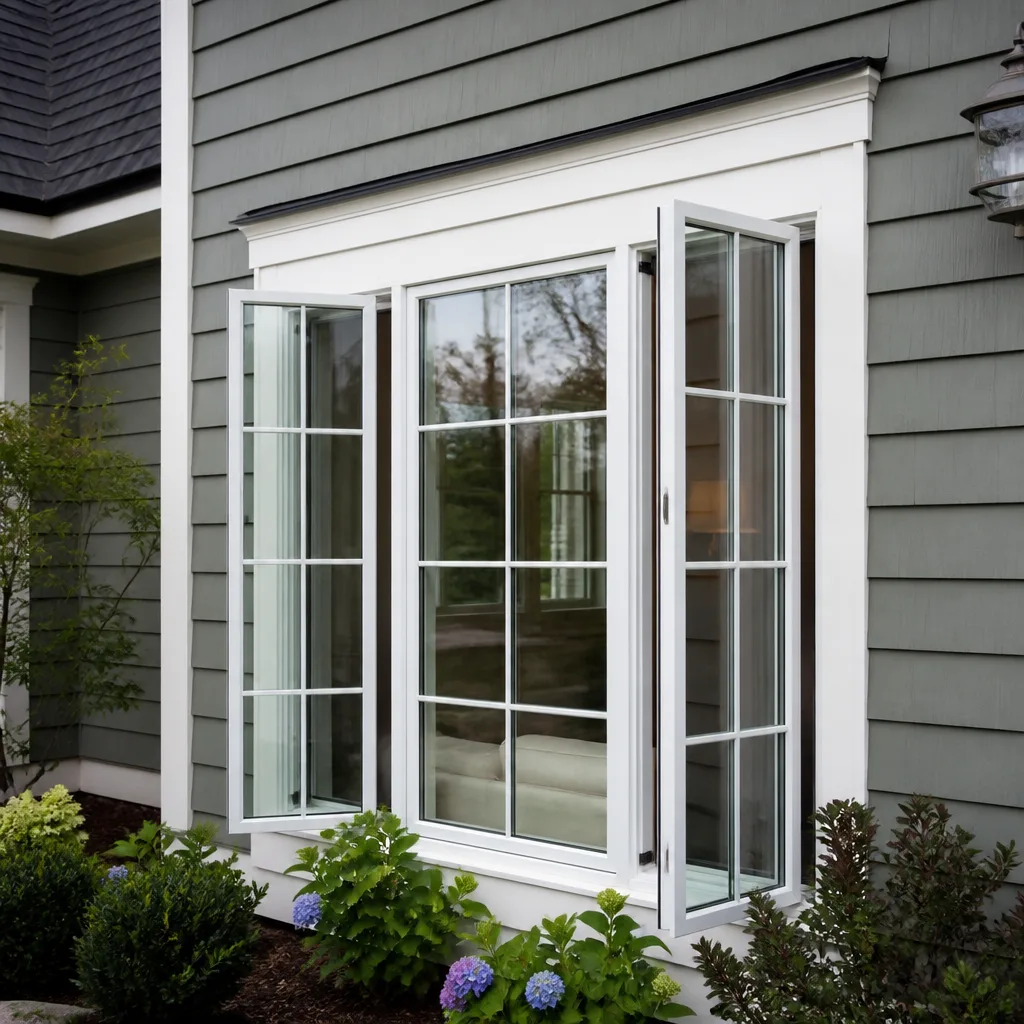
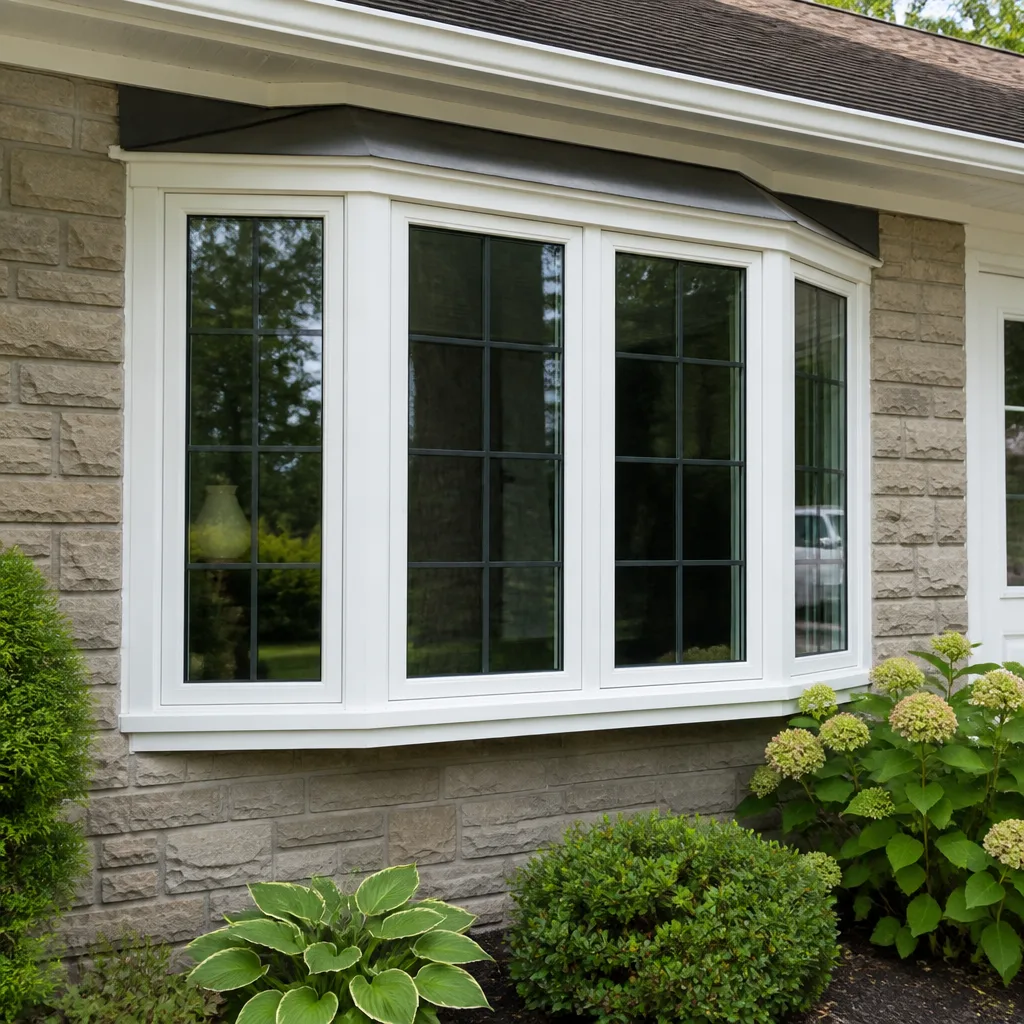
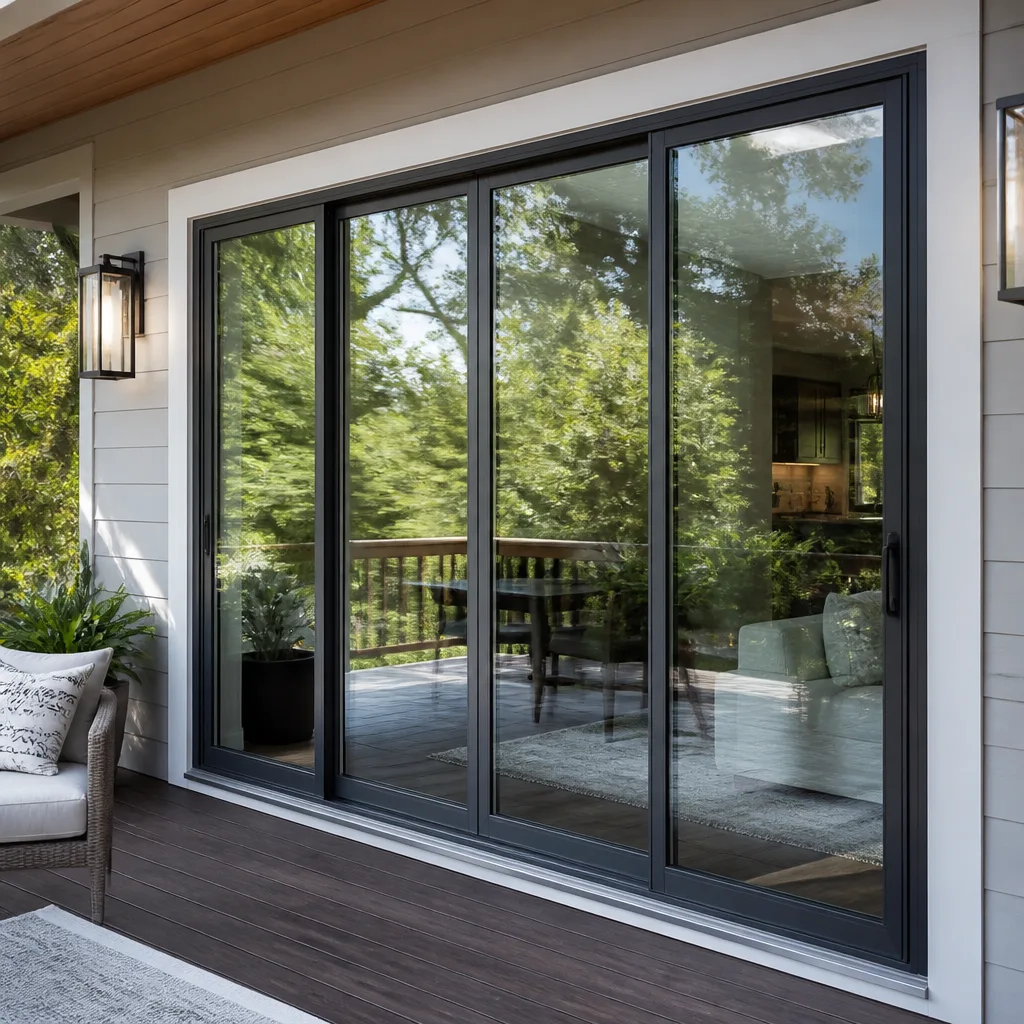
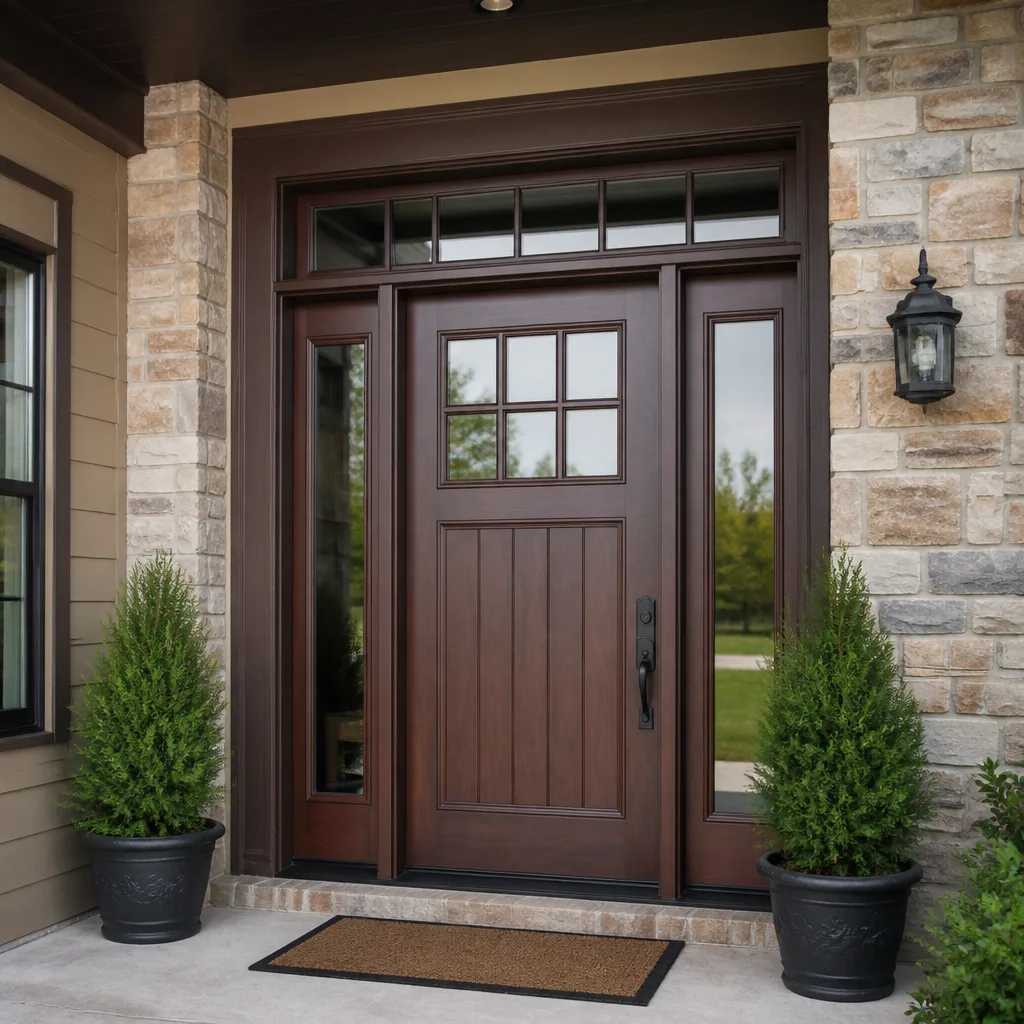
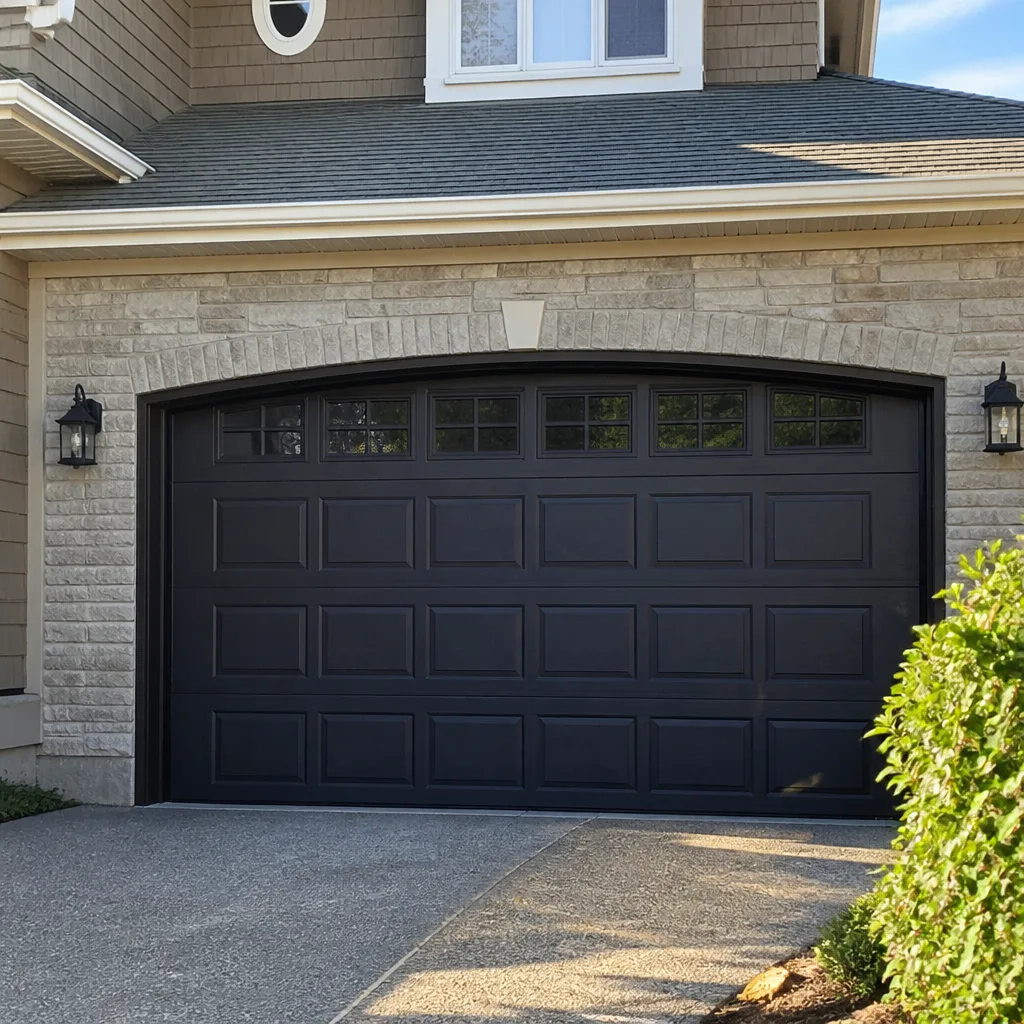
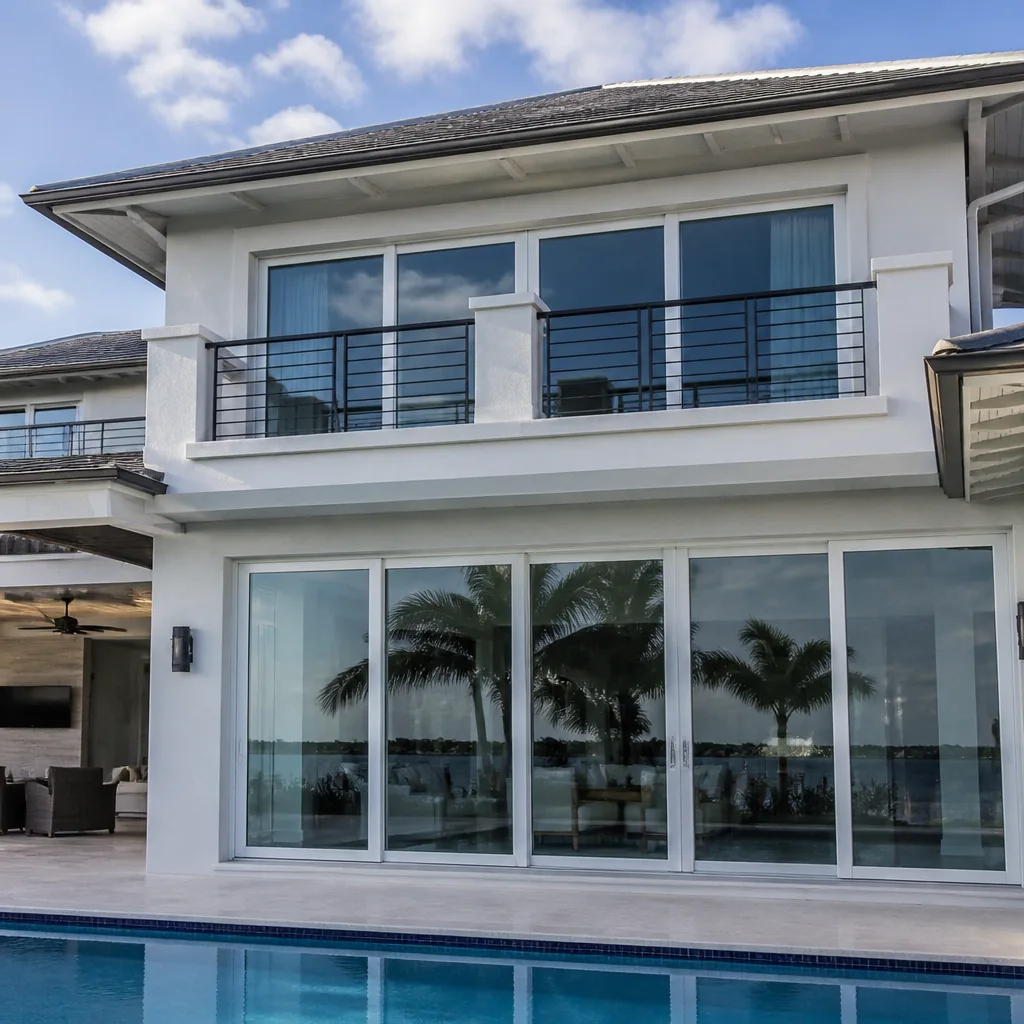
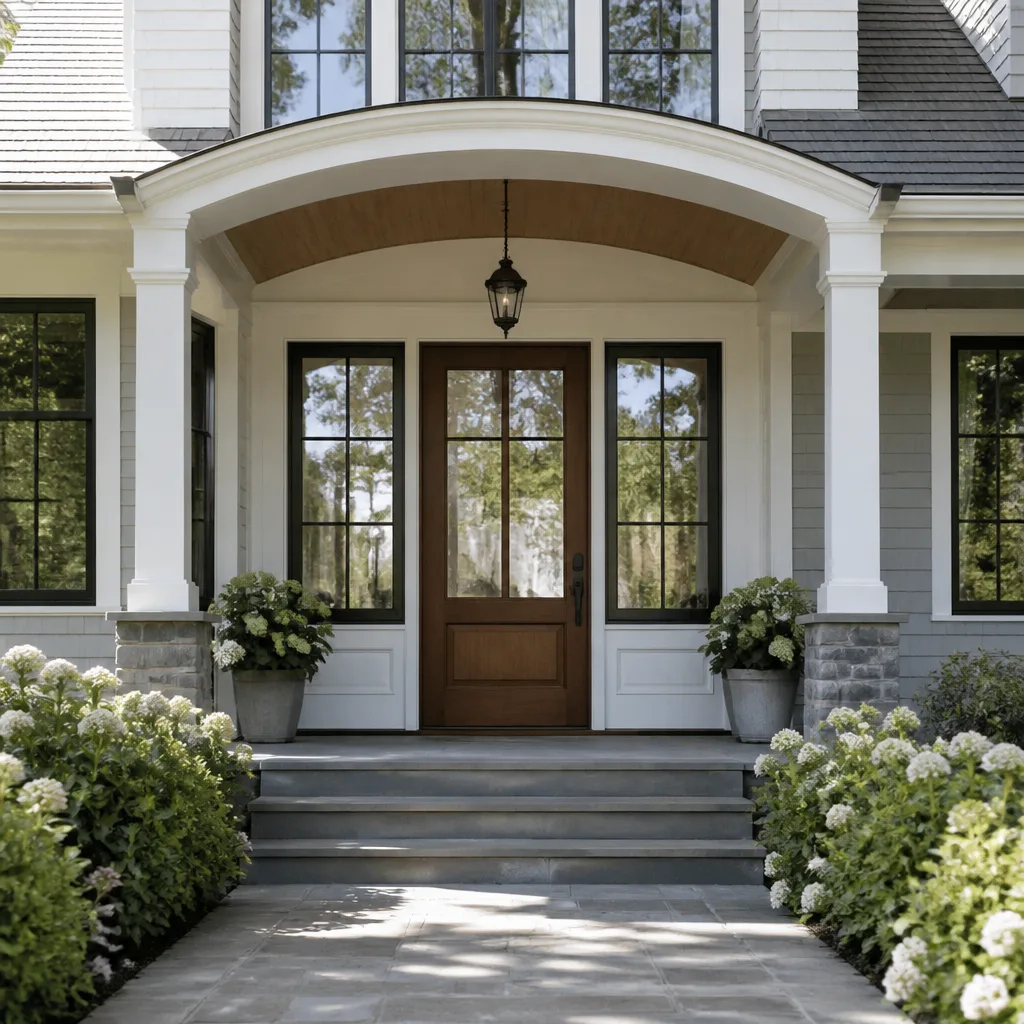
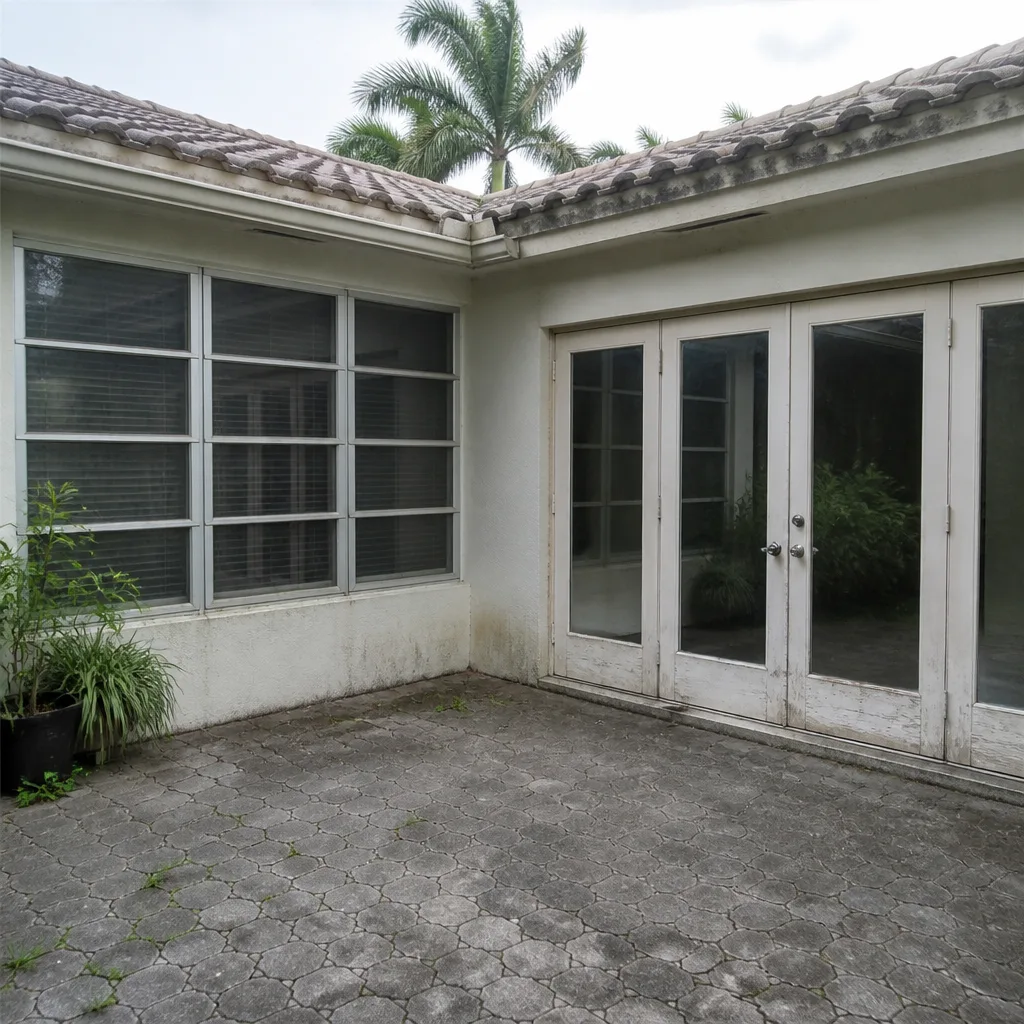 Before
 After
After Before
 After
After Before
 After
AfterHow Much Does Glass Railing Installation Cost in Jupiter?
Glass railing installation in Jupiter, FL typically costs between $150 and $450 per linear foot, installed. For a standard 40-linear-foot deck or balcony railing, most Jupiter homeowners spend between $6,000 and $18,000 depending on the glass system, frame material, and site conditions. Most projects Sightline Windows & Doors completes in Jupiter fall in the $8,500 to $14,000 range once material, labor, and permit fees are accounted for.
Glass Railing Installation Cost Breakdown (2026)
Before any work starts at Sightline, you receive a written price built from a measured survey – Haven Clause 1, the founding principle since 2012. The numbers below reflect real project data from Jupiter and the surrounding Palm Beach County coastal corridor.
| Line Item | Typical Range (Jupiter Market, 2026) |
|---|---|
| Frameless glass panels (per linear foot, material only) | $80 - $180 |
| Semi-frameless glass panels (per linear foot, material only) | $55 - $120 |
| Post hardware – stainless steel (per post) | $120 - $280 |
| Top cap rail – aluminum or stainless (per linear foot) | $25 - $65 |
| Labor – install and glazing (per linear foot) | $60 - $130 |
| Jupiter/Palm Beach County permit fee | $150 - $600 |
| Structural substrate modification (if required) | $400 - $1,800 |
| Removal and disposal of existing railing | $200 - $750 |
| Full project – 30 linear feet, semi-frameless | $5,200 - $9,500 |
| Full project – 40 linear feet, frameless with stainless hardware | $9,000 - $16,500 |
| Full project – 60+ linear feet, frameless, oceanfront-rated | $15,000 - $27,000 |
A few things move these numbers. The single biggest variable in Jupiter is impact and wind-load rating. Palm Beach County sits in a High-Velocity Hurricane Zone (HVHZ) corridor, and railings on elevated decks – particularly those east of US-1 in neighborhoods like Admirals Cove, Frenchman’s Harbor, or along the Intracoastal – must meet stricter load requirements. That means thicker tempered or laminated glass (typically 1/2″ or 9/16″ versus the 3/8″ common in inland markets), which adds $15 to $40 per linear foot to material cost alone.
Corrosion resistance is a second Jupiter-specific cost driver. Salt air accelerates oxidation on any hardware that isn’t marine-grade 316 stainless steel or a quality powder-coated aluminum. Specifying the right hardware from the start costs more upfront – usually $30 to $60 more per post – but avoids hardware replacement in three to five years. In our experience working along the Jupiter Inlet area, homeowners who chose 304 stainless or standard aluminum fittings to save money early almost always revisit the decision within a few years.
Substrate condition matters too. Many Jupiter homes built in the 1980s and 1990s along the Loxahatchee River corridor have wood decking or aging concrete that needs reinforcement before glass posts can be safely set. When substrate work is required, it adds between $400 and $1,800 to the project – sometimes more for cantilevered pool decks. We document every substrate finding in the measured survey so there are no surprises on the invoice.
What Affects Glass Railing Installation Pricing in Jupiter
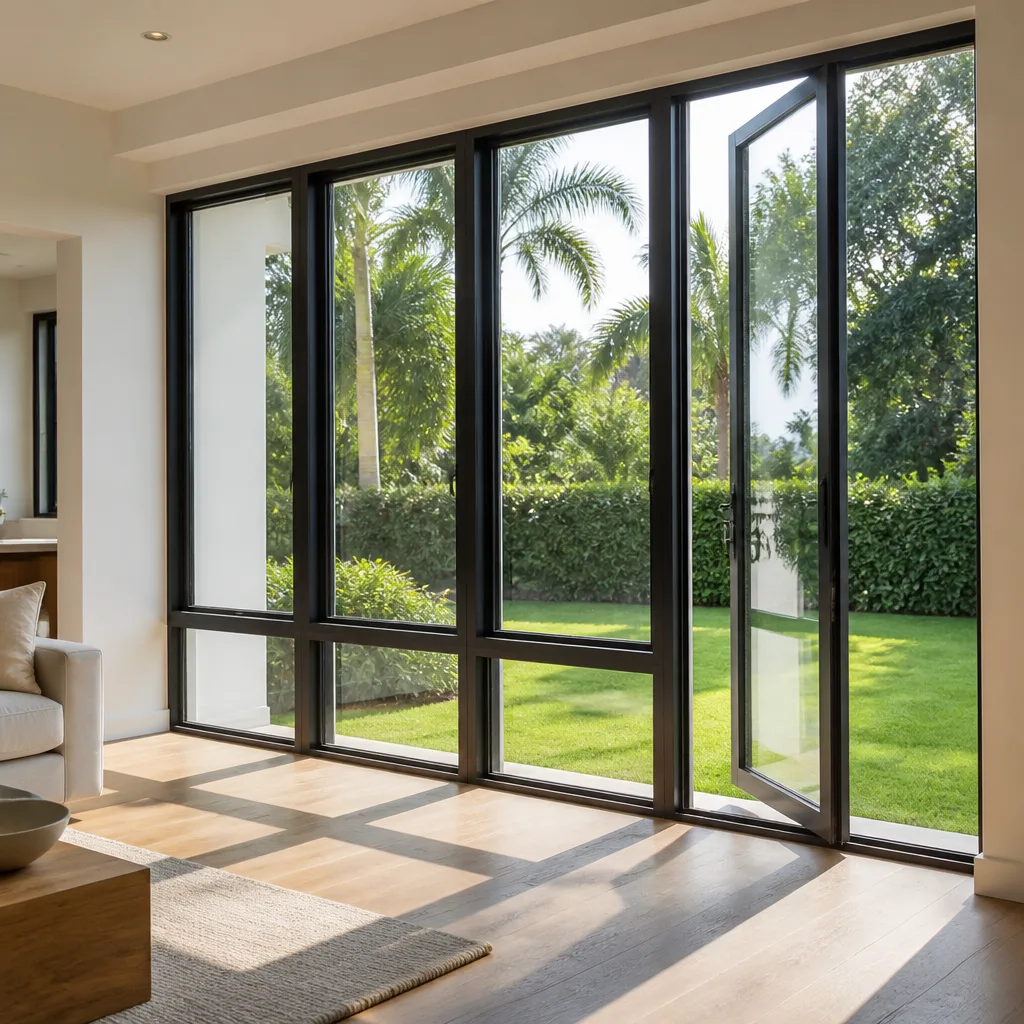
- Frameless vs. semi-frameless system: Frameless railings use larger panels held by base shoes or standoff hardware – cleaner sight lines, higher cost. Semi-frameless systems use vertical posts between panels, which reduces glass span and brings material cost down by 20 to 35 percent. For second-story balconies in Abacoa or the Botanica community where the view matters but budget is a consideration, semi-frameless is often the right call.
- Glass specification – thickness and treatment: Standard tempered glass at 3/8″ is the baseline. In Jupiter’s HVHZ-adjacent environment, many inspectors require 1/2″ or 9/16″ laminated tempered glass for elevated applications. Laminated glass also performs better in impact scenarios. The price difference between 3/8″ tempered and 9/16″ laminated is typically $25 to $55 per linear foot on material alone.
- Hardware material and finish: Marine-grade 316 stainless steel is the correct choice within a half-mile of salt water. Powder-coated aluminum is acceptable further inland. Decorative finishes – brushed nickel, matte black, oil-rubbed bronze – add $15 to $30 per post over standard brushed stainless. Matte black is currently the most-requested finish on new construction in the Jupiter Farms and Tequesta adjacent areas.
- Permit and engineering requirements: Palm Beach County requires a permit for most railing replacements and all new installations. If the structure requires a signed and sealed engineer’s letter – common on custom elevated pool decks and docks – add $400 to $900 for that document. Sightline handles permit filing as part of the written scope; the permit fee itself is a pass-through cost itemized separately on the estimate.
- Site access and elevation: Ground-level patio railings are straightforward. Second and third-floor balconies in multi-story Jupiter homes, particularly in the Rialto or Sonoma Isles developments, require scaffolding or aerial lift access – add $300 to $800 for equipment depending on story height and access constraints.
- Length of run and complexity of corners: Straight runs are priced per linear foot. Every 90-degree corner, return, or staircase section requires custom glass cuts and additional hardware. Stair railings typically cost 15 to 25 percent more per linear foot than level runs because of the angle cuts and the way load transfers through the posts on a slope.
 Before
 After
AfterFrameless vs. Semi-Frameless: Which Makes More Sense in Jupiter?
This question comes up on nearly every estimate we write for Jupiter homeowners. The short answer: frameless systems make sense when the view is the point – Intracoastal frontage, pool decks designed for outdoor living, rooftop terraces. Semi-frameless makes sense when budget discipline matters and the railing is primarily functional.
Frameless glass railings use a base-shoe channel or standoff clamps mounted to the deck surface. There are no vertical posts interrupting the glass, which gives you an unbroken sightline from inside the home or from a lounge chair. The tradeoff is cost – glass panels span further unsupported, so they need to be thicker and the base hardware has to handle more load. In Jupiter’s climate, that also means more hardware exposed to salt air, which means marine-grade specification is non-negotiable.
Semi-frameless systems use vertical posts – typically spaced 3 to 5 feet apart – with glass panels fitted between them. The posts carry part of the structural load, which allows thinner glass. The aesthetic is cleaner than traditional aluminum-frame railings but not quite the pure transparency of a frameless system. For homes in the Shores at Jupiter or central Jupiter neighborhoods where the deck overlooks a garden or landscaping rather than open water, semi-frameless tends to satisfy both the visual goal and the budget.
Our Glass Railing Installation in Jupiter page covers both system types in detail, including which applications trigger HVHZ engineering review.
Jupiter Permit Requirements for Glass Railings
Palm Beach County Building Division requires a permit for new railing installations and for replacements that change the structural system – which includes switching from a wood or aluminum railing to a glass system. The permit process for residential glass railings in Jupiter typically runs two to four weeks for standard applications. If your project is in a waterfront area or on a multi-story structure, add time for potential structural review.
The Florida Building Code requires that residential railings withstand a 200-pound point load and a 50-pound-per-linear-foot distributed load. For elevated decks, the glass and hardware specifications need to satisfy those numbers at minimum. Some inspectors in Palm Beach County have applied stricter interpretations on Intracoastal-adjacent properties, particularly after hurricane season reviews. Sightline’s measured survey documents the applicable code tier for the specific address before we write the quote.
One thing homeowners often miss: if you’re in an HOA – and in Jupiter, that covers a significant portion of residential communities including Abacoa, Admirals Cove, and BallenIsles adjacent areas – glass railing systems typically require architectural review board approval before permit application. That process can add two to six weeks. We flag this in the written scope so you know the realistic timeline before committing.
How to Save on Glass Railing Installation
There are real ways to control cost on a Jupiter glass railing project without cutting corners on materials that will fail in a coastal environment. Here’s where the savings are actually found:
- Specify semi-frameless where frameless isn’t necessary. On a side-yard fence-line railing or a front entry feature where you want a clean look but don’t need unobstructed water views, semi-frameless saves 20 to 30 percent on material. The right system for the right application is always cheaper than over-specifying.
- Combine the glass railing project with other glazing work. If you’re already replacing windows or adding an impact sliding door – which many Jupiter homeowners do in the same renovation cycle – scheduling the glass railing at the same time eliminates a mobilization visit. That saves $200 to $500 on labor and simplifies permit coordination.
- Get a second opinion on any written estimate. Sightline offers a free second-opinion review on any competitor’s written quote. Bring us the document and we’ll walk through it line by line. Sometimes the savings are in the specification – a competitor quoting 3/8″ tempered where 9/16″ laminated is required, for example, which looks cheaper until the inspector fails it.
- Don’t defer substrate issues. A rotted ledger board or a cracked concrete slab won’t get cheaper to fix once the railing is installed and has to come back out. If the survey finds substrate problems, addressing them during the same project mobilization costs less than two separate visits six months apart.
- Phase the project if cash flow is the constraint. A long run of railing can sometimes be divided into sections by location – pool deck first, then staircase, then front entry. The per-linear-foot price doesn’t change, but the out-of-pocket timing does. This is worth discussing before signing the quote rather than after.
- Avoid trendy finishes on high-exposure hardware. Matte black is appealing but requires more maintenance in salt-air environments than brushed stainless. If your property is within a few hundred yards of open water, the practical finish choice saves on re-coating or replacement in five to eight years.
For a free written estimate specific to your address in Jupiter, call (772) 362-5402. The estimate is the measured survey – one document, no follow-up surprises.
What the Installation Process Looks Like
Understanding what happens on the day of install helps set accurate expectations for how long your space will be disrupted and what the finished job looks like when crews leave.
Sightline’s process starts with the measured survey – a technician visits the site, takes precise readings of the deck perimeter, stair angles, substrate material, post spacing, and any existing attachment points. That survey generates the written price. The customer keeps a copy. That document and the final invoice are the same document; Haven Clause 1 (Have it in writing) means the price written at survey is the price paid at completion.
Once permit is approved and materials are on hand – typically two to four weeks for standard in-stock systems, four to eight weeks for custom glass cuts or specialty hardware – the install crew arrives. All technicians are background-checked, uniformed, and identified by license number before arrival, per Haven Clause 3 (Verified Crews). For a 40-linear-foot deck railing with no substrate complications, installation typically runs one to two days. Stair sections add time. Multi-level projects with multiple rail runs may require two to three days.
At project completion, the team documents the finished installation with photographs – the photo record that travels with every Sightline job under Haven Clause 4 (Evidence on every job). Those photos are yours. They document the installation for permit closeout, for HOA records, and for your own files if a future warranty question arises.
The 365-Day Done Right Promise covers every installation: if something isn’t right in the first year, we make it right. That’s written into the Haven Standard, not offered case by case.
Glass Railing Maintenance in Jupiter’s Climate
Saltwater environments are hard on any exterior material, and glass railings are not immune – it’s the hardware that fails first, not the glass itself. Here’s what honest maintenance looks like on a Jupiter glass railing system:
Rinse hardware and glass with fresh water every four to six weeks, more frequently on properties east of A1A or along the Intracoastal. Salt deposits accelerate pitting on even 316 stainless if left to accumulate. A basic garden hose rinse is sufficient – no pressure washing at the base-shoe channels, as that can force water into the substrate connection.
Inspect base-shoe channels and post bases annually for any sign of sealant cracking or water intrusion. In Jupiter’s heavy summer rain cycle – the area averages around 60 inches of rainfall per year with most of it concentrated between June and September – standing water at post bases is a genuine maintenance concern. If sealant shows cracking at year two or three, resealing is a straightforward repair that prevents a much larger substrate repair later.
Glass panels themselves are largely self-maintaining. Tempered and laminated glass won’t corrode. Mineral deposits from hard water or salt spray can be removed with a standard glass cleaner and a soft cloth. Avoid abrasive pads on any treated glass surface.
FAQs – Glass Railing Installation Cost in Jupiter, FL
How much does glass railing installation cost per linear foot in Jupiter?
Glass railing installation in Jupiter runs $150 to $450 per linear foot installed, with most projects landing between $200 and $320 per linear foot. The low end applies to semi-frameless systems with standard tempered glass on accessible ground-level decks; the high end applies to fully frameless systems with marine-grade 316 stainless hardware and 9/16″ laminated glass on elevated or Intracoastal-adjacent properties. For an exact number tied to your specific address and deck dimensions, call (772) 362-5402 – the estimate is free and written before any work starts.
Is a permit required for glass railing installation in Jupiter, FL?
Yes. Palm Beach County Building Division requires a permit for new glass railing installations and for replacements that change the structural system. Permit fees in Jupiter typically run $150 to $600 depending on project valuation, and the review process takes two to four weeks for standard residential applications. If your property requires a signed and sealed engineering letter – common on elevated pool decks or multi-story balconies – add $400 to $900 for that document. Sightline handles permit filing as part of the written scope; the fee is itemized separately so you see exactly what goes to the county.
How long does glass railing installation take in Jupiter?
For a standard 40-linear-foot deck railing with no substrate complications, installation typically takes one to two days once permit is approved and materials are on-site. The permit approval process adds two to four weeks to the overall timeline, and custom glass orders (non-standard sizes, specialty treatments) add another two to four weeks to material lead time. In practice, most Jupiter homeowners should plan on a total timeline of five to ten weeks from signed estimate to completed install. We document the schedule in the written scope so you know what to expect at each stage.
What type of glass is required for railings in Jupiter’s coastal environment?
For properties within a half-mile of the coast or on elevated structures, 1/2″ or 9/16″ laminated tempered glass is the correct specification – it meets Florida Building Code load requirements and performs better in impact scenarios than standard 3/8″ tempered glass. Further inland, 3/8″ tempered glass is often code-compliant and costs $25 to $55 less per linear foot on material. The measured survey determines which specification applies to your address and records it in the written quote, so there’s no post-permit surprise when an inspector weighs in. Attempting to make this determination yourself or relying on a contractor who doesn’t document the specification is a common source of failed inspections and costly glass swaps.
Can I install glass railing myself to save money in Jupiter?
The material cost savings on a DIY glass railing are real – roughly $60 to $130 per linear foot in labor. But in Palm Beach County, a permitted railing installation requires a licensed contractor of record for permit application. Beyond the permit issue, glass railing base-shoe installation involves setting posts in structural substrate and specifying glass thickness to meet code load ratings. Getting either wrong means a failed inspection and a pull-and-redo. For context, the cost of a failed inspection plus a second mobilization visit to correct the work typically runs $800 to $2,500 – which erases most or all of the DIY labor savings. The safer path is a written estimate from a licensed installer; call (772) 362-5402 and we’ll give you one at no charge.
How does Sightline price glass railing projects differently from other Jupiter contractors?
The written price comes from the measured survey – both documents are the same document, and the quote cannot change after that survey is signed unless the scope changes at the customer’s request. That’s Haven Clause 1, and it’s been the standard on every one of the 18,000+ openings Sightline has completed since 2012. Most Jupiter contractors quote a range at first contact and finalize pricing after materials are ordered or work has started. Sightline’s measured survey locks the number before a tool is lifted. If you have a written quote from another contractor, we’ll review it at no charge as part of our free second-opinion service – call (772) 362-5402 to set that up.
Key Takeaways
- Glass railing installation in Jupiter costs $150 to $450 per linear foot installed; most projects run $8,500 to $14,000 for a standard 40-linear-foot deck.
- Jupiter’s coastal climate and HVHZ-adjacent requirements push glass specifications toward 1/2″ or 9/16″ laminated tempered and marine-grade 316 stainless hardware – specify correctly from the start.
- Permits are required by Palm Beach County for all new installations and structural replacements; add $150 to $600 in permit fees and two to four weeks for review.
- Semi-frameless systems cost 20 to 35 percent less than frameless and are the right choice when an unobstructed sightline isn’t the primary goal.
- The written price from Sightline is built from the measured survey – the quote and the invoice are the same document, no adjustments after the fact.
- The 365-Day Done Right Promise is written into the Haven Standard and covers every installation Sightline completes.
Sightline Windows & Doors has built its work in Jupiter on one principle: the written price before any work starts, documented at the measured survey, with a photo record when the job is done. That’s the foundation of the Sightline Windows & Doors approach, and it applies to every glass railing project we price in this market.
Sonia Raman and the Sightline team are available to walk through your specific project – address, deck dimensions, glass system options, and permit requirements included. Call (772) 362-5402 for a free written estimate. A live person answers, and the estimate is the measured survey you keep.
Pricing reflects the Jupiter market as of 2026. Sightline Windows & Doors Jupiter offers free estimates – call (772) 362-5402.
Written by Sonia Raman, Owner at Sightline Windows & Doors, serving Jupiter, FL since 2012.
What Our Customers Say
"Front door install went smoothly. Written warranty, clear price, no pressure to upgrade anything."
- Nils H."The survey measurements and the quote were the same piece of paper. Nothing changed on install day, which is not what happened with the two other companies we had out."
- Annette R."The road noise in the front bedroom is genuinely gone. They recommended the laminated glass and explained why, with figures."
- Delia F.